Opinion
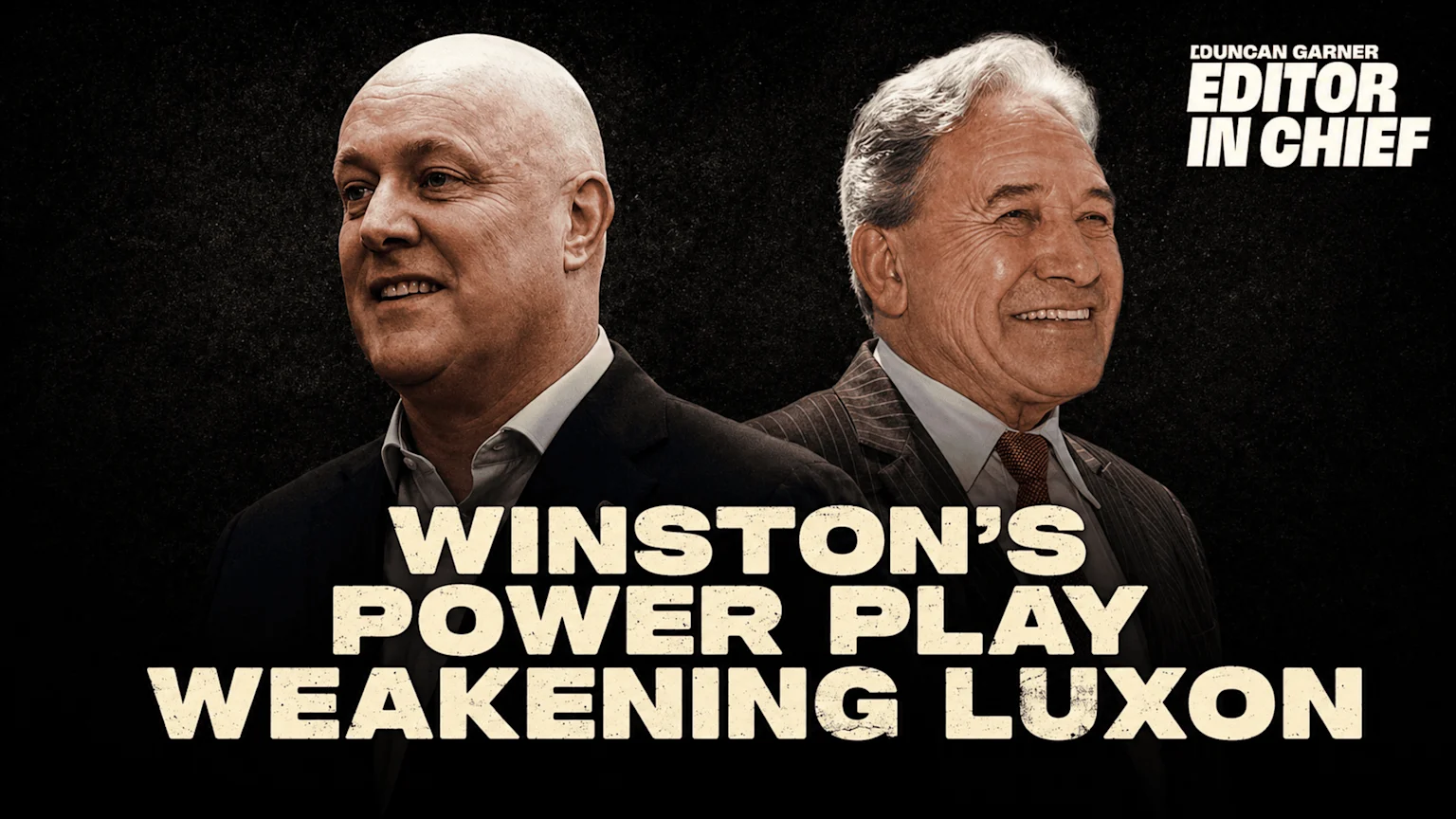
Winston Peters Wants To Get Kicked Out, And Luxon Just Won't Do It

Published by Duncan Garner
30 Apr 2026
Winston Peters released sensitive cabinet emails without telling Christopher Luxon. He leaked details of internal disagreement over New Zealand's position on American military action in Iran. He broke established rules around no surprises. He humiliated the prime minister publicly.
And Luxon did nothing.
This wasn't a mistake. This was strategy. Peters gave Luxon every reason to sack him last night, and that was exactly the point. He wanted to get thrown out. He needed Luxon to do what Winston himself would never do: walk away from a coalition.
But Luxon didn't pull the trigger. So Peters is still sitting in the foreign affairs office, and the government limps forward, diminished but intact.
Winston doesn't walk, he gets pushed
Here's what matters about these emails. They showed Luxon wanted New Zealand to be more supportive of America's Iran strikes. Peters talked him down at the time. Peters won that argument. But now, weeks later, he's released the details anyway, without warning Luxon first.
That breaks cabinet rules. It breaks trust. It undermines the prime minister's authority on one of the most serious issues possible: war, international positioning, where we stand as a country.
So why would Peters do it? Because he knows exactly what he's doing. He's been around longer than some MPs have been alive. He knows ministers don't leak sensitive communications about foreign affairs unless they want a reaction. He needed one.
Peters wasn't trying to collapse the coalition. He was trying to get sacked from it. Because Winston doesn't walk away from governments. He gets thrown out. That way, he becomes the victim, not the saboteur. He gets to campaign as the man punished for speaking the truth. He avoids being blamed for instability because, technically, it was Luxon who pulled the trigger.
Classic Peters. Except this time, Luxon refused to play.
Luxon had no other options
Why didn't Luxon sack him? Simple. He couldn't. Unlike Jenny Shipley in the 1990s, Luxon has no backup MPs waiting to prop him up. He doesn't have anyone else willing to support his government. If he kicked Peters out, the coalition would have collapsed immediately. The government couldn't pass a budget. An early election would have been forced.
And Luxon would have been blamed for it. He'd be the one who triggered the snap election at a time when his polling is weak and the economy hasn't turned around yet. Peters would be free to run as the martyr, the man who stood up to the elites and got punished for it.
So Luxon swallowed it. He tolerated it. He let Peters wander back into the ministerial office without consequences. You could call it pragmatic. You could also call it weak. Either way, the coalition survived another day.
But at what cost? Peters has now exposed Luxon as reactive, unable to control his own ministers, and too eager to fall in line behind the United States. That's potent politics. There's a slice of New Zealand that hates being seen as America's obedient junior partner. Peters just claimed that turf.
Peters loses nothing and gains everything
Peters achieves something here whether he gets sacked or not. He gets attention. He gets distance from unpopular government decisions. He looks independent. He communicates strength. And he keeps his job.
He's also set the boundaries for this coalition. Push hard enough, and there's no penalty. Leak enough, and you might get away with it. Undermine enough, and the PM might blink. Every other coalition partner now knows what they can get away with.
Luxon, meanwhile, looks like a man who had a choice and took neither option. He didn't sack Winston. He didn't publicly reassert authority. He just absorbed the hit. And when you're taking hits, you're losing.
Published by Duncan Garner
30 Apr 2026