Opinion
Weak leaders always create room for wreckers

Published by Duncan Garner
12 Apr 2026
New Zealand has a leadership problem, and it is not subtle anymore.
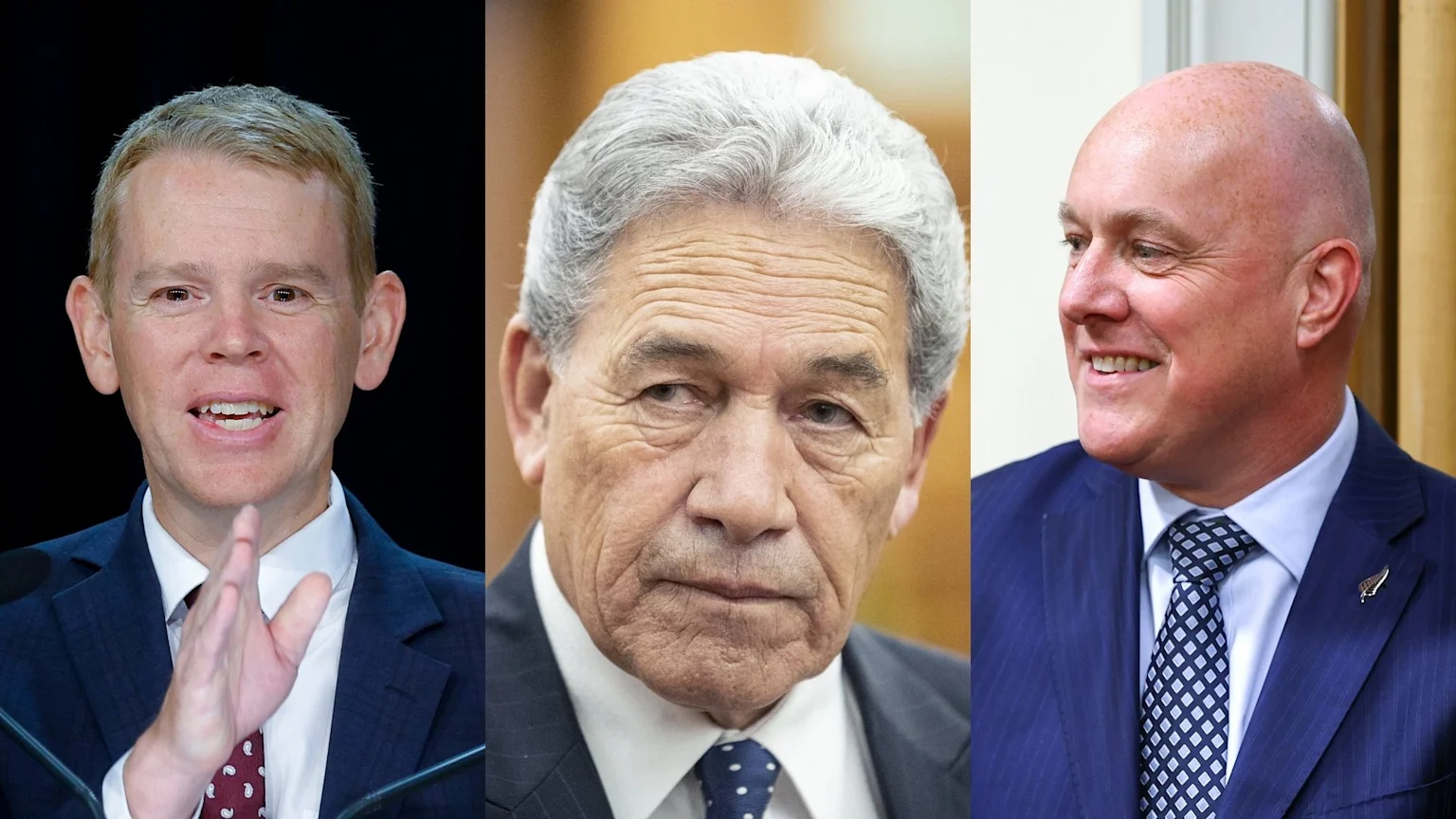
You can see it in the Far North, where Mayor Moko Tepania responded to scrutiny with a sneering two-word brush-off. You can see it in Wellington, where Winston Peters is rising because the two main parties are so flat, so cautious and so uninspiring that voters are starting to think the old warhorse is the only one in the paddock with a pulse.
These are not separate stories. They are the same story.
When serious leaders disappear, the political space gets filled by two types. The arrogant and the opportunist. One thinks he does not need to answer questions. The other knows nobody else can command the room. Both thrive when public standards fall through the floor.
Take the Far North mess. A councillor raises concerns about unelected iwi and hapū representatives having major sway over council committees and spending decisions. That is a legitimate public issue. It is not racist to ask who is deciding what, and on whose mandate. It is democracy 101. If ratepayer money is being shaped by people the public did not elect, then the public has every right to demand an explanation.
What did they get? Not an explanation. Not a defence. Not even the usual polished spin. They got contempt.
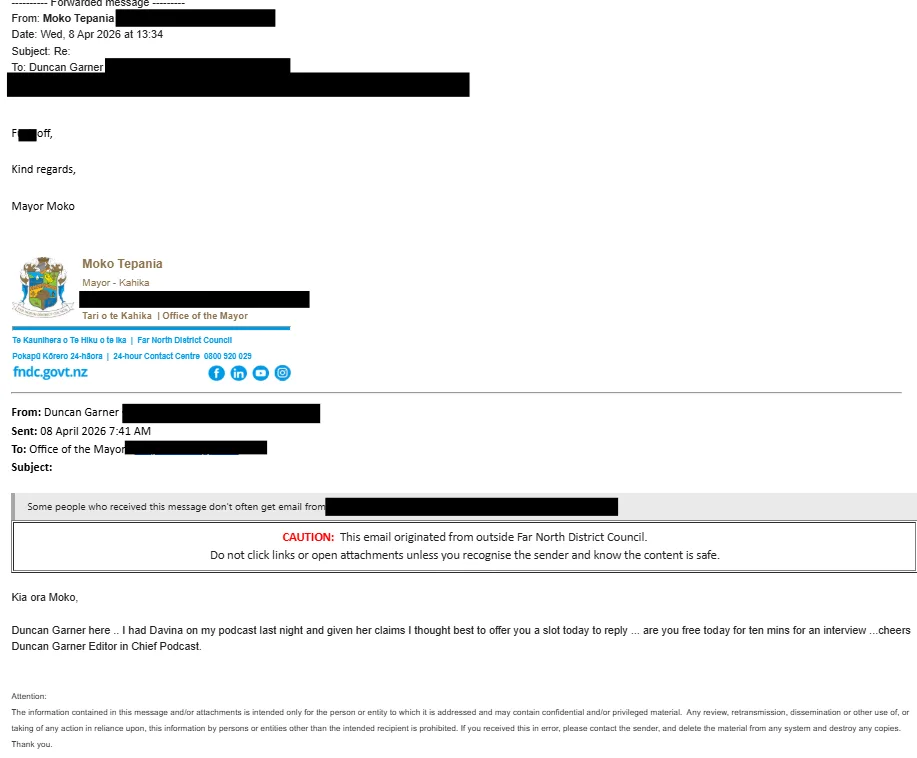
That is the part some people still do not get. The mayor was not just rude to a journalist. He was rude to the public. The media is only the messenger. When an elected mayor effectively tells scrutiny to get stuffed, he is telling every ratepayer their questions do not matter. That is not strength. It is insecurity dressed up as swagger.
And here is the real damage. If you support co-governance or any form of Māori representation in public decision-making, then you should be the first to demand transparency around it. Instead, this kind of carry-on turns a serious constitutional and civic debate into a circus of ego and secrecy. It hands critics a free kick. It makes the whole thing look grubby.
That same vacuum is why Winston Peters is suddenly back in business in a big way.
He is not rising because New Zealanders have all fallen in love with nostalgia. He is rising because Christopher Luxon has the charisma of a waiting room and Chris Hipkins still looks like a man explaining away someone else’s mess. Neither has locked down the country’s confidence. Neither looks fully in charge. Neither is giving people a reason to believe anything will materially improve.
So Peters does what Peters always does. He spots weakness and drives straight at it.
This is not just protest voting anymore. That is the lazy read. Voters are not merely chucking toys out of the cot. They are responding to a wider truth. The big parties look tired. Local government looks defensive. Public institutions increasingly behave as if being questioned is the real offence. And into that mess walks Winston, grinning, pointing, and making the case that the whole system needs a kicking.
It works because too many people now confuse accountability with aggression. They think fronting up is optional. They think scrutiny is harassment. They think leadership means controlling the optics, not answering the question.
It does not.
Leadership is being able to stand there, take the hit, and defend your decisions like an adult. It is answering when the public asks. It is knowing the office is bigger than your feelings. Right now, from council chambers to the Beehive, too many people in power have forgotten that.
And when leaders forget their job, the wreckers do not need an invitation.
They just walk in through the open door.
Published by Duncan Garner
12 Apr 2026