Te Ao Māori
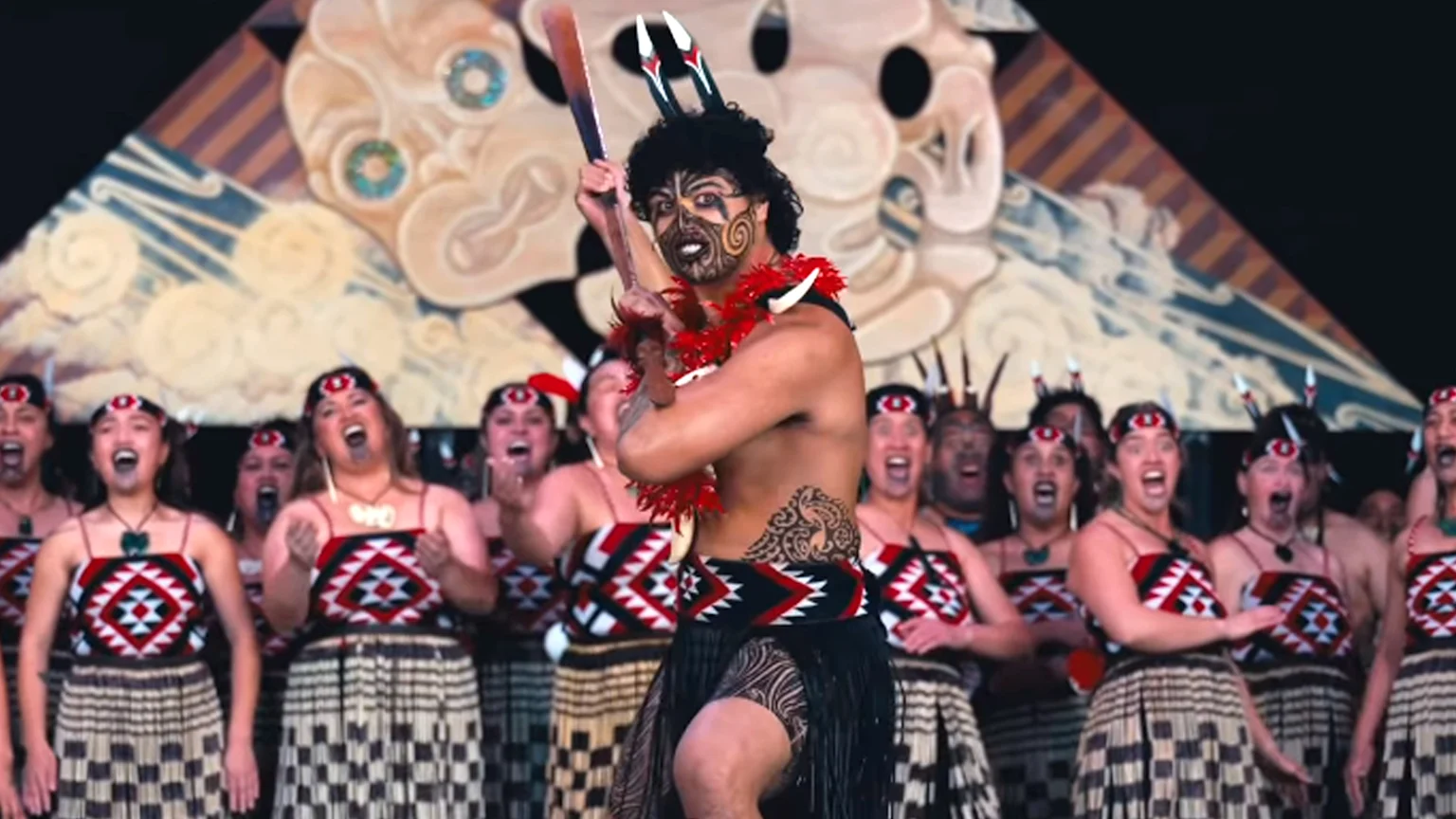
WATCH: Waihīrere's powerful winning performance at Gisborne's Tamararo haka comp

Published by Sophie van Soest
04 May 2026
Defending champs Waihīrere have done it again, taking out Tamararo, the Tairāwhiti regional kapa haka competition, in Gisborne over the weekend.
Seventeen rōpū took to the stage across the two-day event, but it was Waihīrere who proved why they’re still the ones to beat.
Tamararo - now in its 74th year - is the longest-running regional kapa haka competition in the motu, while Waihīrere, established back in 1952, is one of the oldest groups in competitive kapa haka.
And it's not hard to see why they're so respected, after the group's performance over the weekend.
Their performance included incredibly strong vocals, with the power in their voices proving exactly why they’re back-to-back champs.
The harmonies blended flawlessly, while the choreography showed their mana and an energy that was palpable.
Their performance of 'Takitimu Poi' was just as captivating, with its fast-paced, clean movements.
"This song is taken from the ancient karakia for the Takitimu waka and has been a waiata sung by the Waihīrere Māori Club for many decades," the rōpū told Te Matatini Society last year. "The song was first performed as a poi at the inaugural festival in 1972 held in Rotorua."
“Waihīrere were so good today. They brought a new energy this time around, and it showed. Showing everyone why they are the blueprint and five-time champs,” someone wrote under the video of the rōpū.
The top four groups from Tamararo have now secured their spots at Te Matatini 2027. Joining Waihīrere are Whāngārā Mai Tawhiti, Te Hokowhitu a Tū and Hikurangi.
And they aren't the only groups looking forward to the national competition.
Last month, longstanding regional champions Te Tū Mataora once again took out the top spot at the Rangitāne regional kapa haka competition.
Te Tū Mataora continued their dominance on stage with a powerful and emotional performance that wowed the audience and cemented their reigning champ status.
They will join the groups above as well as their three fellow regional ropū - Te Tū Mataora, Te Tini a Rehua, and Te Whirikōkō o Rangitāne - heading to the national competition.
It’s shaping up to be a great competition in 2027.
Published by Sophie van Soest
04 May 2026