New Zealand
US-Iran conflict: Will fuel prices go up in New Zealand?

Published by Aleksandra Bogdanova
02 Mar 2026
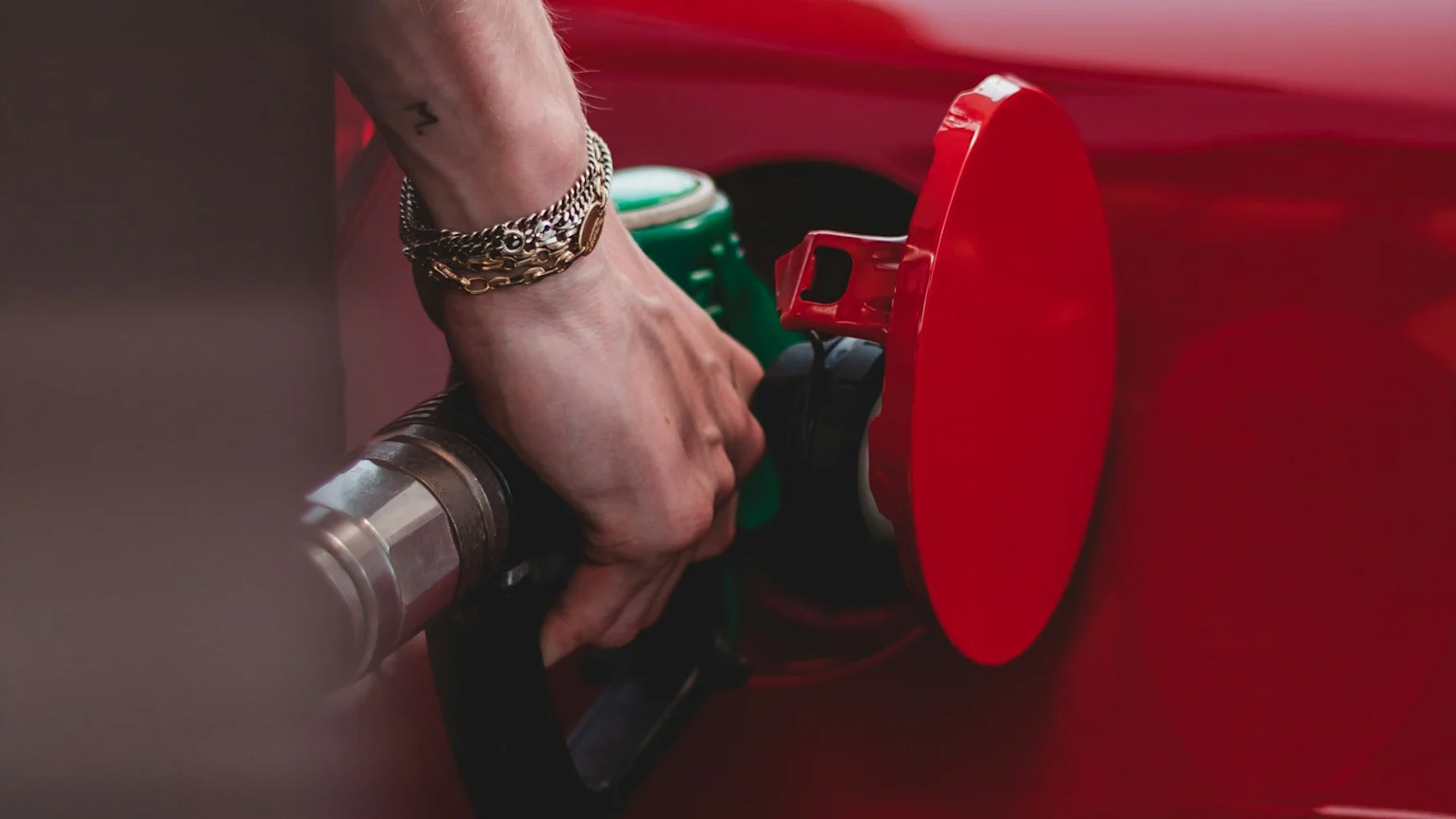
The Automobile Associate (AA) warns New Zealand won’t be exempt from rising fuel prices, as conflict rages in the Middle East.
AA fuel spokesperson Terry Collins told rova that with the majority of the world relying on petrol and diesel, ripple effects will naturally be felt.
“It’s a vicarious impact… so regardless of whether we get the oil from Singapore, Korea, or Japan… we’re all looking to buy the same fuel, and so the price will go up.”
Around 20% of the world’s oil supply goes through the Strait of Hormuz, which falls between the Persian Gulf and the Gulf of Oman.
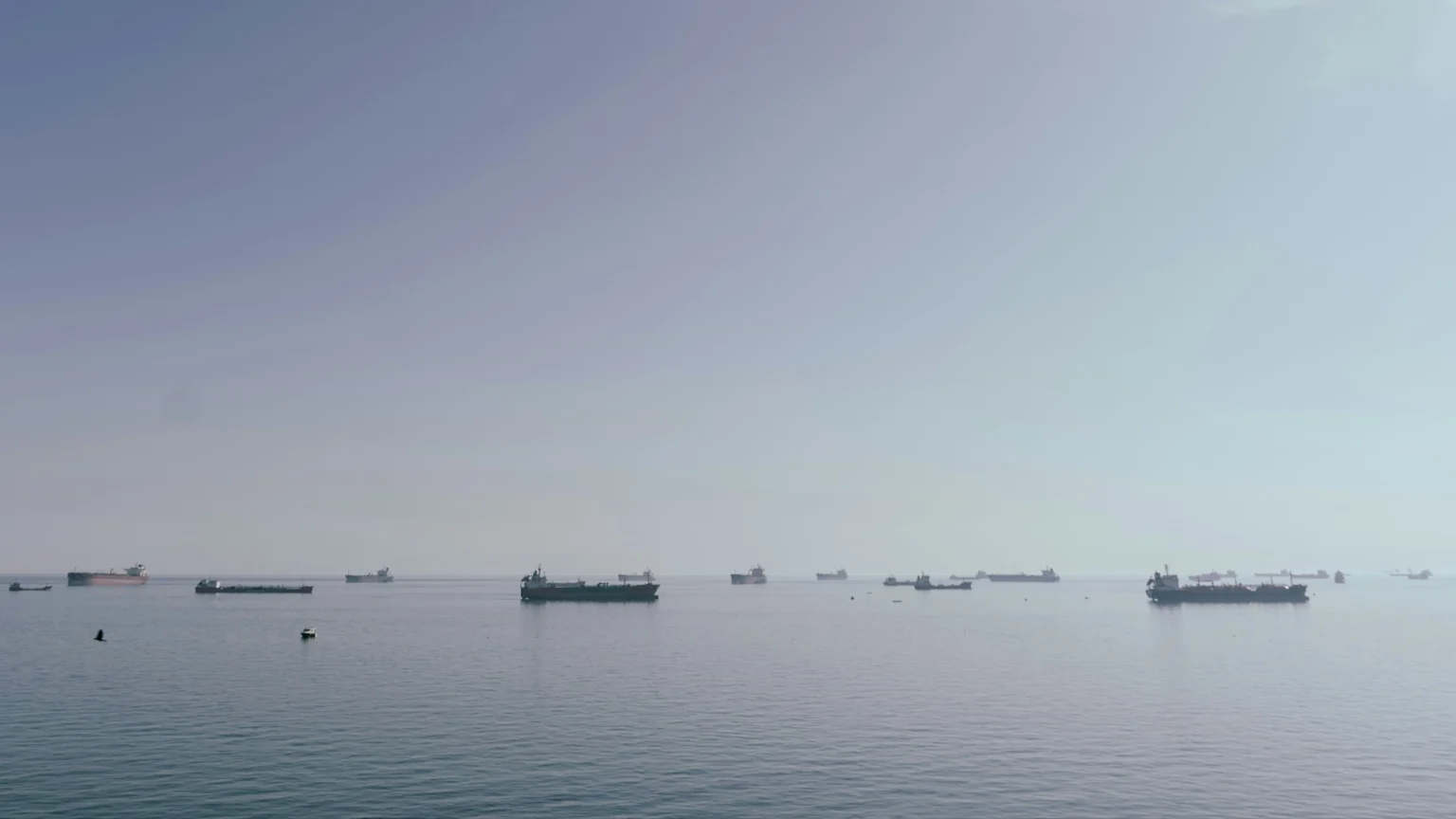
It’s often referred to as one of the most strategically important choke points for exporters, only being a bit wider than New Zealand’s Cook Strait. With the conflict, transporters are apprehensive about making the journey.
"It's the risk of transporting it through that very narrow strait, the shippers don’t want to do it, the insurance will be too expensive, and the risks are too big. So alternatively when supply goes down, prices go up,” said Collins.
“Already a number of the tankers have stopped going through from the major companies. They’re worried about the risk of having one of these damaged or sunk.”
However, it will be a while before we see the effects of this redirection.
“Petrol and diesel sitting in the pumps today was bought in the past, when the price of oil was lower… those price increases will flow through over time in the weeks ahead,” added Collins.
The impact also depends on whether the long-term effects will be seen. As Collins put it, “How high they will go really depends on how long this conflict will last.”
However, he notes that horticulture and viticultural products are something to keep an eye on, as New Zealand turns towards harvesting season..
Industry group, Transporting New Zealand, is already monitoring the situation, pointing out that diesel is typically the second-largest cost for road freight operators - after wages.
It added that there is a legal requirement for diesel importers to hold minimum fuel reserves to reduce the risk of supply disruption. Currently, they must hold 21 days’ cover, but this will increase to 28 days’ from July 2028.
Published by Aleksandra Bogdanova
02 Mar 2026