New Zealand
Ultra NZ is already eyeing a bigger return in 2027
Published by Euro Yong
20 Apr 2026
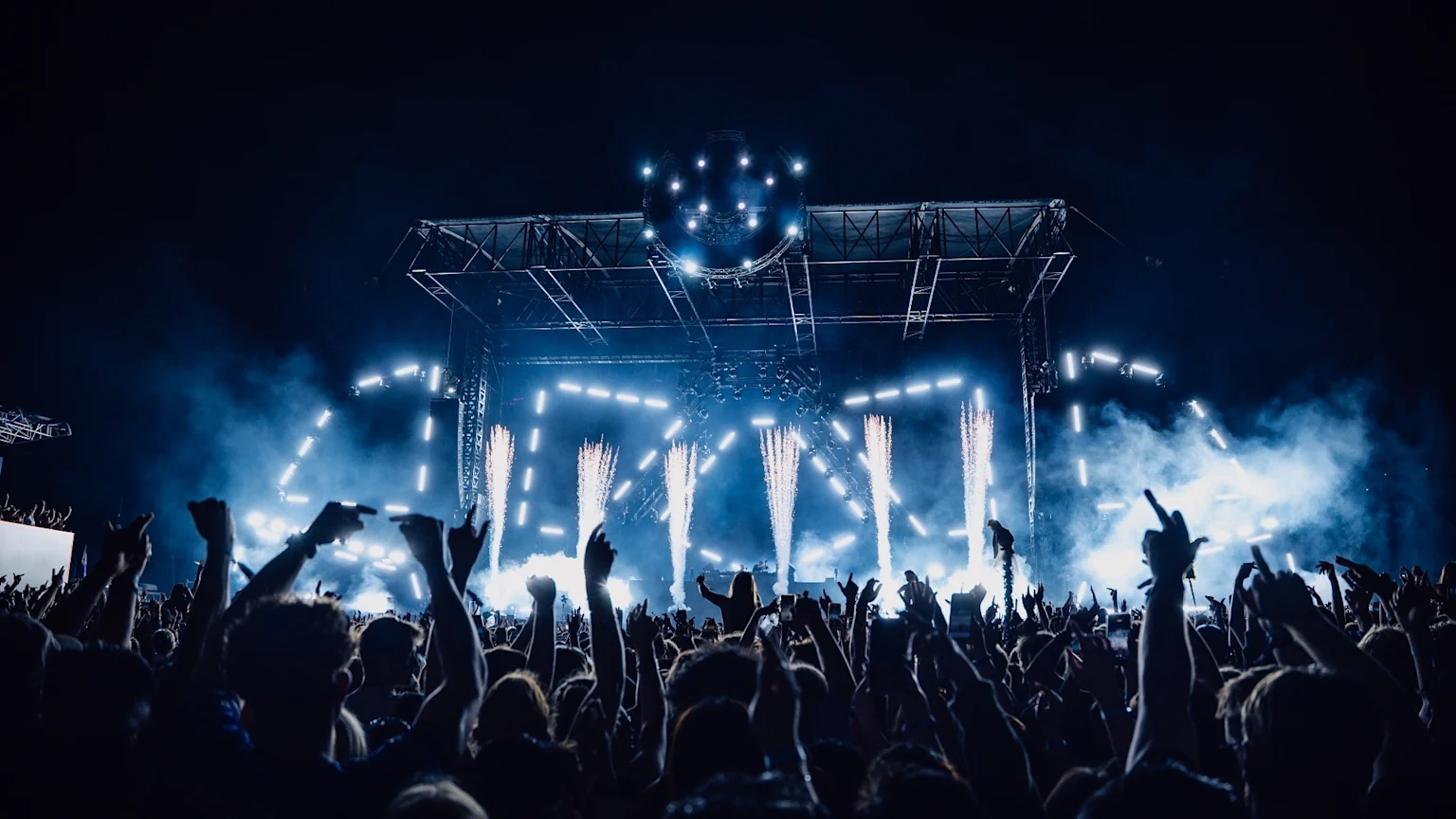
Less than a week after Ultra Music Festival made its New Zealand debut, conversations surrounding next year’s plans are already underway - and if early signs are anything to go by, 2027 is shaping up to be bigger, louder, better, and far more ambitious than the first.
The EDM festival, which first launched in Miami in 1999, has spent decades building a global following. Now spanning across nearly 30 cities, including Tokyo, Singapore, and Abu Dhabi, it has grown into one of the biggest household names in electronic music. Until now, New Zealand had never made it onto that map, despite the appetite for it sitting there for years.
Last Friday, that finally changed.
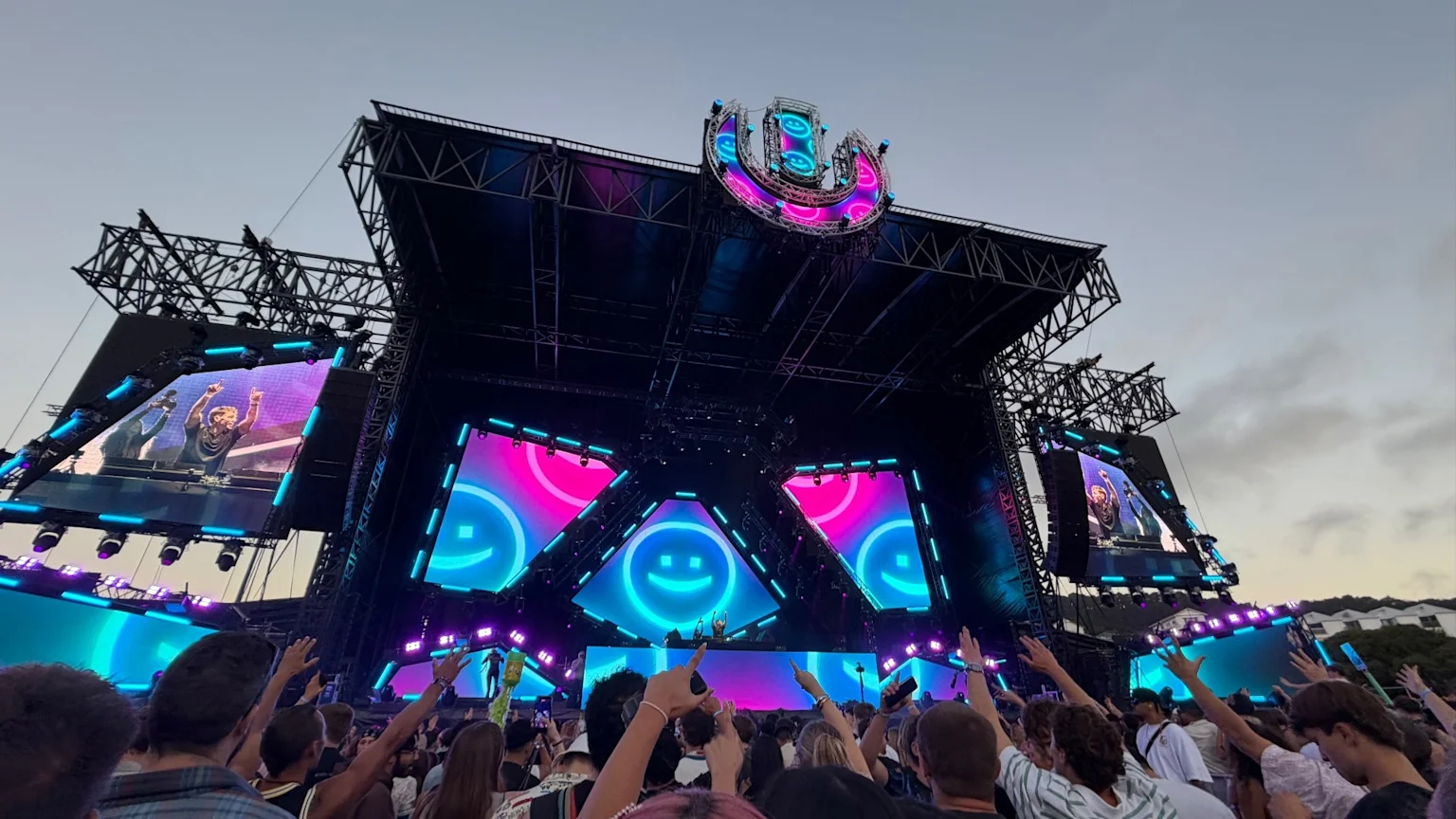
The festival took over Wellington’s Waterfront and drew an estimated 23,000 people after selling out within three weeks of release. People were buzzing, social feeds filled with lineup speculations, and there was the anticipation that something genuinely new was coming to the city.
So by the time gates opened, the question was no longer whether people would show up, but whether the experience would live up to its global name.
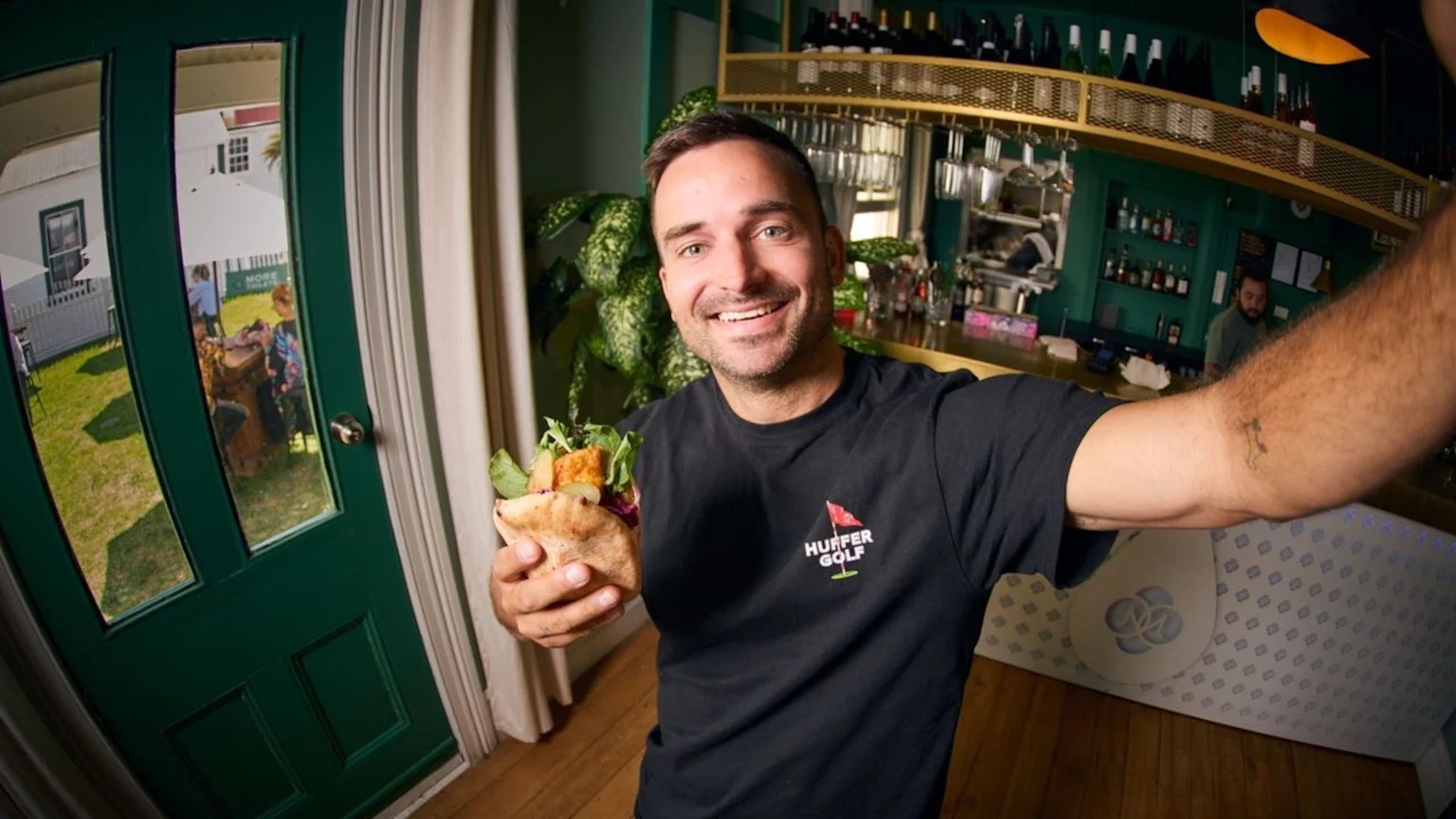
For Mitch Lowe, director of Audiology Touring, the answer is already clear.
“[It was] incredibly successful,” he says. “We’ve looked at feedback from punters, council, stakeholders, even local businesses… It’s just been an all-round success.”
What started as a first edition has quickly turned into something of a much bigger scale. Planning for 2027 is already taking shape, with organisers now looking at what new ideas they can bring to the table.
Will Ultra stay in Wellington?
The decision to bring Ultra to Wellington, rather than a bigger city like Auckland, raised a few eyebrows at first. When asked, Lowe admits it was something he was set on quite strongly from the beginning and something he is equally keen to keep in the capital.
“It’s no secret I really pushed for it to go into Wellington Waterfront. It started as a gut feeling. It was about bringing something to a city that I felt needed it,” he says, pointing to the gap left by the departure of Homegrown. “There seemed to be a gap and a desire.”
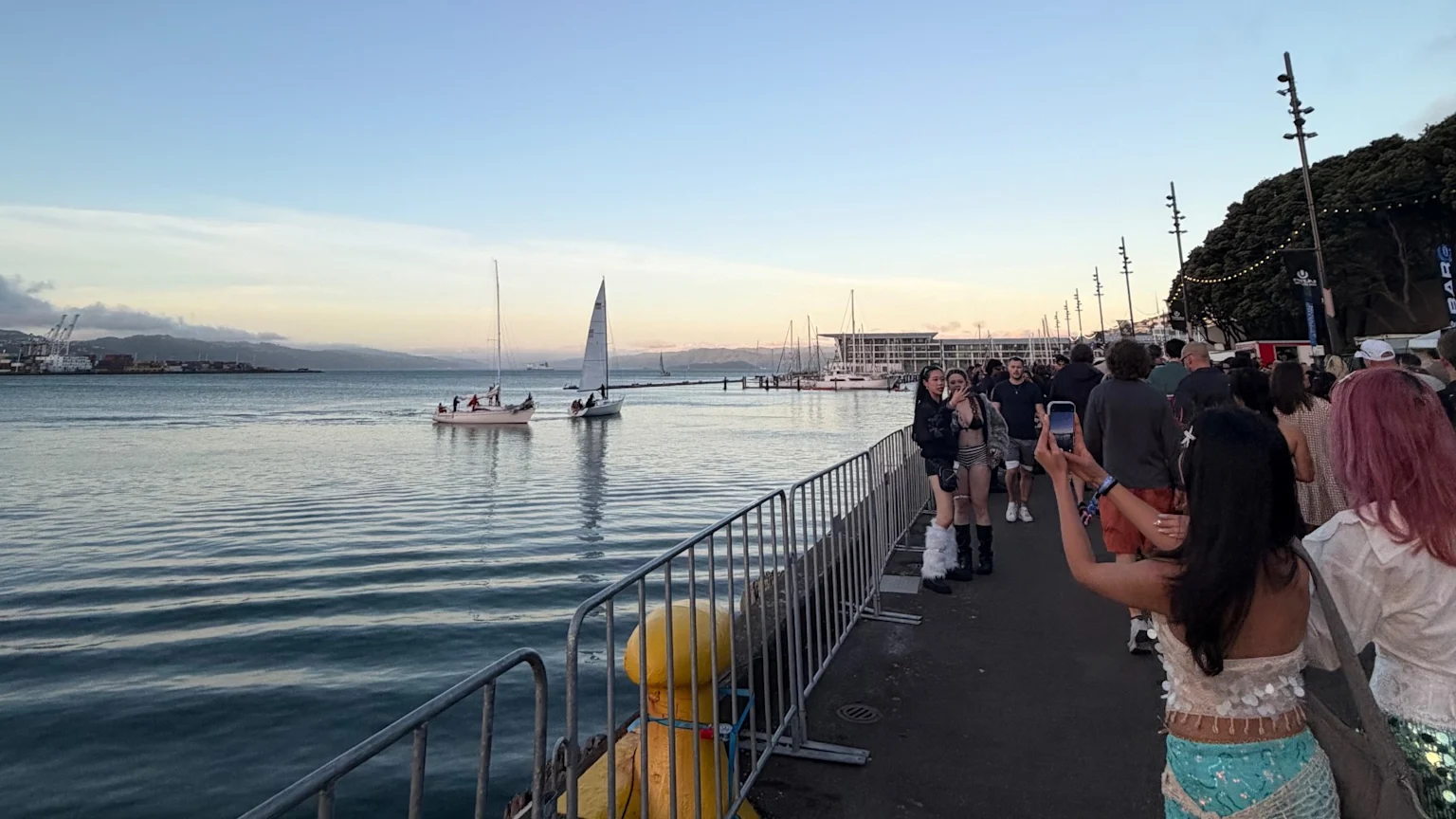
The waterfront, in particular, proved central to the experience. Its layout allowed for multiple stages within walking distance, while the surrounding city absorbed the influx of festivalgoers with relative ease.
“The feedback we kept hearing was that people loved the location,” Lowe says. “Being right on the water, walkable from their hotels, the views… if you look at the drone footage, it’s just incredible.”
That response has given Lowe and his team the confidence that Wellington could become a long-term fit instead of just a one-time host. Asked whether Ultra would return to the same location next year, he does not hesitate.
“A hundred percent,” he says. “I’ve got full confidence to go back there… and full confidence that we can elevate the experience even more.”
There are still challenges to work through, however, especially as the event grows. For starters, the ability to fit in more people and the limitations of the waterfront layout are already being looked at. However, Lowe is set on adapting the site rather than moving away from it.
“There’s always that logical step to move into a stadium,” he says. “But for us, it’s about keeping the vibe.”
What can kiwis expect next year?
With the first event now behind them, attention has quickly turned to what next year’s Ultra could look like. More importantly, who might we expect to see on the lineup?
Lowe confirms discussions are already underway with major international acts, but stops short of naming anyone publicly, noting that they’re still at the negotiating stage.
“I wish I could say the names,” he says, laughing when asked. “But Ultra has got access to anyone, and that’s what makes the brand so exciting.”
Even without specifics, there are some clear signals. Ultra’s global editions have long featured names like Calvin Harris, Martin Garrix, David Guetta and Armin van Buuren, and Lowe suggests New Zealand could begin to draw from that same pool as the festival grows.
“If you look at Ultra worldwide, from Miami to Croatia to Japan, that gives you an indication of where we can step up,” he hints. “We did have some of the world’s largest DJs at this one, but it’s just trying to double down on that, and maybe get a few more.”
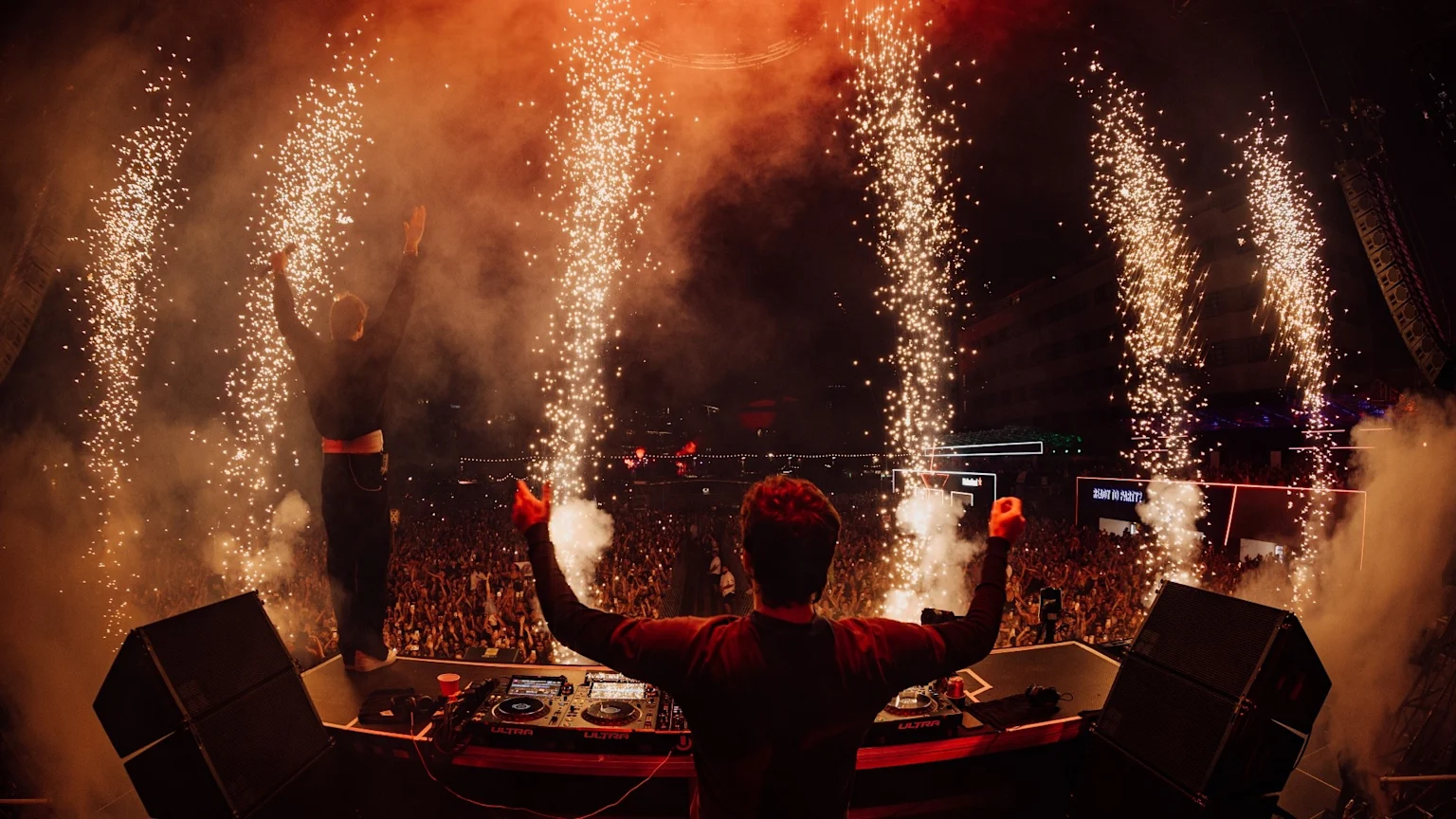
There are also signs the event itself could look different. With bigger acts potentially in the mix, organisers are looking at how to accommodate that and make fuller use of the waterfront.
“The site does have room to expand, there are stages we’d still like to bring in,” Lowe says. “You might even find it’s a five or six stage Ultra next year.”
More than just a festival
Beyond the lineup and logistics, there is no doubt the impact of Ultra’s debut has already been felt across the city. Asked what that looked like on the ground, Lowe points to hotels being fully booked, restaurants reporting some of their busiest nights, and an economic report now underway to put numbers to what he describes as “one of the biggest weekends Wellington’s ever had.”
But for him, the significance runs much deeper than that.
“It’s not even all about the money, to be honest, it’s about the way it makes someone feel,” he says. “Wellingtonians are just so proud to have a world-class iconic event there.”
By the time the interview wraps up, it already feels less like a one-off success and more like the start of something brand new. Planning is already underway, headliners are in discussion, and it’s clear this won’t be the last we see of it.
Published by Euro Yong
20 Apr 2026