Health & Wellness
Traumatic brain injuries are everyone’s problem
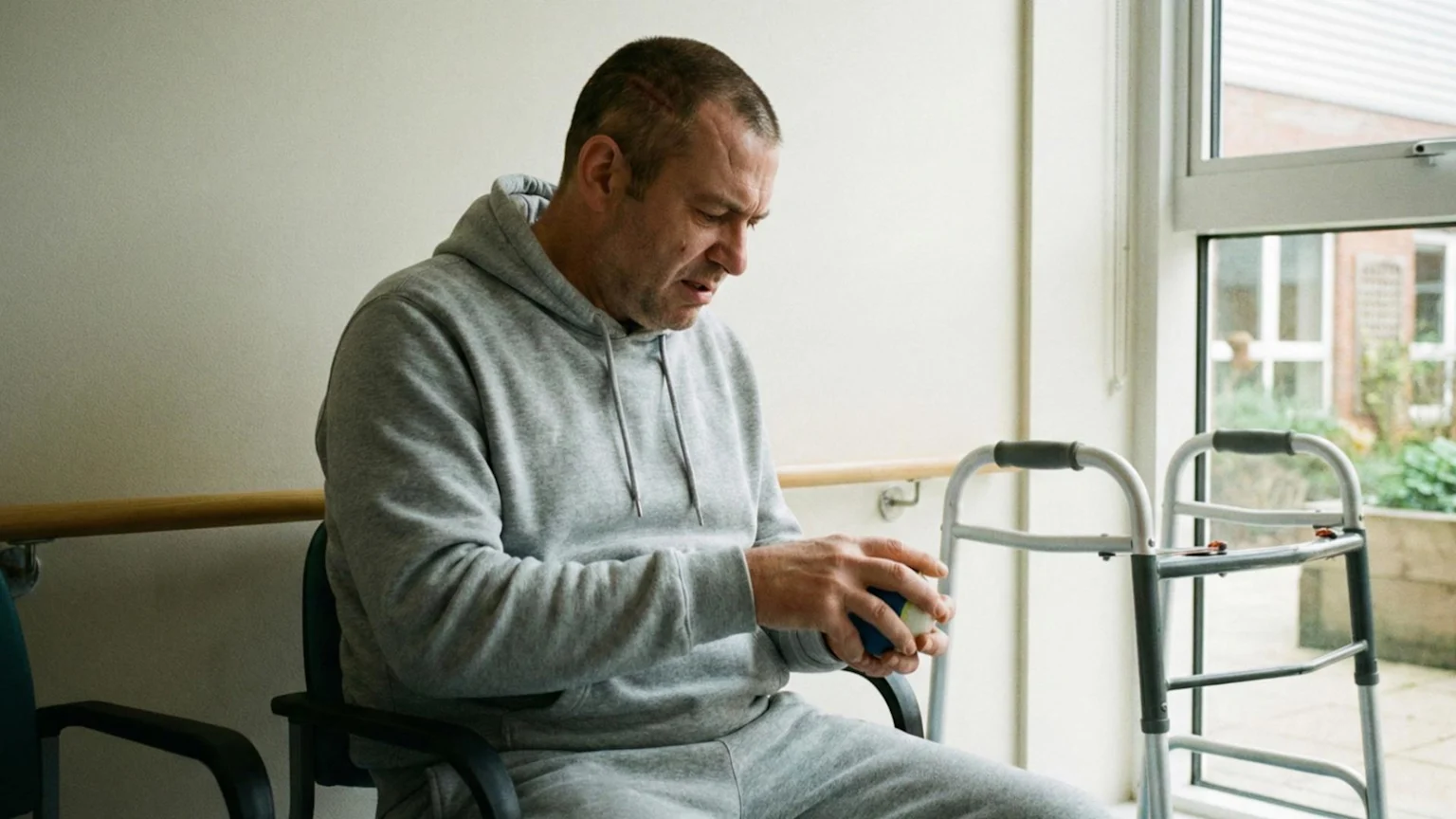
New Zealanders who grew up playing rugby or a bit of bullrush on the school field will likely be familiar with the dangers of a head knock. There has also been a push in recent years to keep pro athletes safe from concussion and career-ending injuries.
However, research published in the Lancet medical journal has highlighted the ordinary reality - falls are a more common cause of traumatic brain injuries (TBI).
Comparing data from between 2010-2011 with 2021–2022 showed at least 40,000 New Zealanders are affected by TBI’s each year. Ninety-three percent of cases were mild in severity, such as concussions.
Lead author and AUT University Associate Professor Kelly Jones reckoned Covid-19 could have impacted the results.
“Of course there were a lot of restrictions on people’s movements at that time… so it’s quite possible that the actual number of traumatic brain injuries happening would be higher than what we recorded.”
However, she expressed concern about the risk of falls, given New Zealand has an aging population.
Stats NZ predicts the number of people aged 65 years or older will pass a million by 2028.
While the incident rate between years appeared mostly stable, there was a significant rise in TBI’s among people in that age bracket, over the ten year data gap.
In the study, it was suggested findings should inform strategic planning and policy, including targeted TBI awareness, recognition and prevention strategies.
Jones added it highlighted the greater risk of going about your business.
“A key area of focus needs to be on people aged 65 years and over, and looking at how we can keep them safe at home,” she said.
There was also little change in Māori TBI rates over the two data groups, similar to a recent ten-year review that suggested a decline in traumatic injury hospitalisations among all ethnic groups in NZ, except for tangata whenua.
In a piece for the Conversation Jones said, “this elevated risk likely reflects persistent disadvantages such as lower incomes, poorer housing, barriers to education and healthcare and ongoing impacts of colonisation.”
She acknowledged the gaps are being addressed:
“Kaupapa Māori-based (Māori-led) fall-prevention programmes – such as Taurite Tū, a strength and balance wellness programme – have been designed by Māori for Māori aged 50 and over and their whānau.”
A challenge was put forward for New Zealanders to work together on prevention and investments. Low-risk physical activity should also be carefully managed among older adults, staving off falls.