Politics
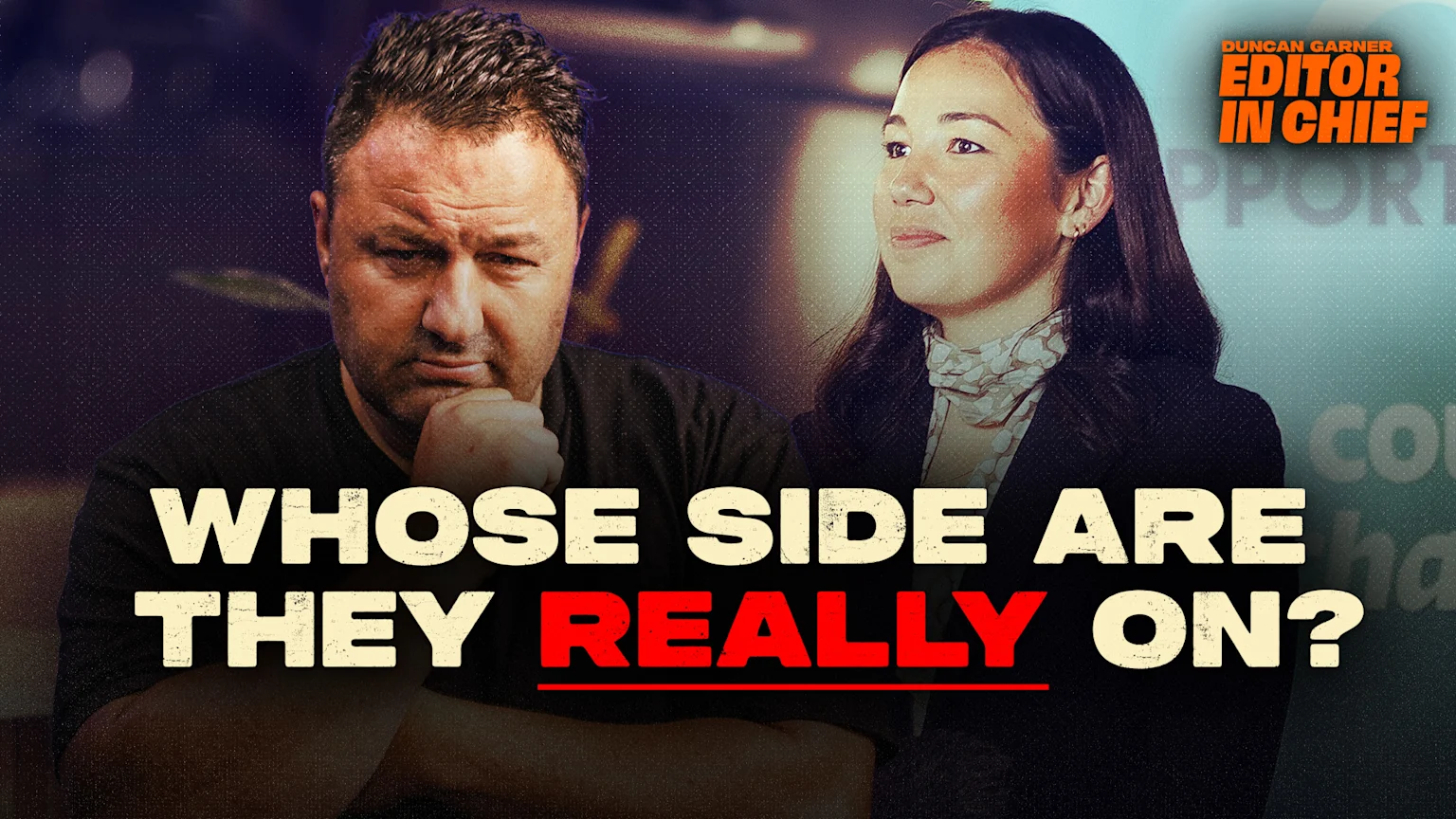
Left Or Right? The Big Gamble In Voting For TOP

Published by Duncan Garner
26 Jun 2026
The Opportunities Party is hovering near 5 percent in the polls. That matters because it puts them within striking distance of Parliament. It also matters because they refuse to clearly signal where they stand or who they would support to form a government.
This creates a problem. A big one.
Voters need to know what they're getting. If you vote TOP, are you helping Labour and the Greens back into power? Or are you creating another option for National? The answer should be simple. But TOP won't give it.
Strip away the rhetoric about being "neither left nor right" and look at what TOP actually wants to do.
They support a land value tax. That's the same policy the Greens have been pushing for years. A million-dollar farm would pay $50,000 annually in land taxes under their plan. They claim this tax could be deferred for older property owners, but the principle is clear. They want to tax wealth held in property.
In return for raising $28 billion through this tax, every New Zealander would receive a universal basic income. It doesn't matter how wealthy you already are. Everyone gets a payment. Income tax rates would rise. The top 10 percent of earners would pay significantly more.
This is not an economically conservative policy. This is wealth redistribution dressed up in policy language.
TOP leader Qiulai Wong has spoken positively about former Green Party co-leader James Shaw. The party's financial backers have previously donated to Labour and the Greens. Their tax framework aligns almost exactly with Green Party proposals.
So when TOP says they're economically conservative but socially liberal, what they really mean is they want higher taxes on the wealthy and a larger role for the state. That places them firmly on the centre-left, not in some imaginary middle ground.
New Zealand has been down this road before. Winston Peters positioned himself as the kingmaker in 2017. Many voters assumed he would support National. He had spent years attacking Labour and the Greens. His rhetoric suggested he would back the incumbent government.
Then he didn't. He chose Jacinda Ardern instead. Voters who thought they were electing a National-led government got Labour and the Greens. That wasn't democracy working well. That was voters being misled about the likely outcome of their vote.
TOP is creating the same risk. If they make it into Parliament and refuse to commit to either side, they hold all the cards. Voters who back them thinking they'll push Labour to be more pragmatic could end up with exactly the opposite. Voters who assume TOP would never work with Labour could be equally wrong.
This isn't strategic ambiguity. This is asking voters to buy a product without telling them what's inside the box.
Mt Albert has been Labour territory for decades. Helen Clark once held the seat. But politics changes, and TOP is running their leader there.
If TOP is polling around 4.5 percent nationally in the final weeks of the campaign, Labour faces a calculation. Why let those votes disappear below the threshold when there's a potential pathway to bring them into Parliament through an electorate win?
Labour wouldn't need a formal deal. They wouldn't need to publicly endorse Wong. But smart political operators always keep options open. If TOP won Mt Albert, those 4.5 percent of voters wouldn't be wasted. They would translate into multiple MPs and potentially become part of a governing arrangement.
This scenario isn't far-fetched. MMP encourages exactly this kind of manoeuvring. And if the election is tight, Labour would be foolish not to consider every possible route to 61 seats.
Wong has said she's not keen on such arrangements. But there's still a long way to go. These conversations don't happen in public until the final week of a campaign. Never rule it out.
The frustration with Labour and National is real. Voters are shopping around for alternatives. That's healthy in a democracy. But alternatives need to be honest about what they stand for and who they would work with.
TOP's refusal to commit is not principled independence. It's avoiding accountability. If they want voters to trust them, they need to tell voters what a vote for TOP actually means in practice.
Will they work with Labour and the Greens to push through wealth taxes and universal basic income? Or will they refuse to play kingmaker and sit on the crossbenches?
Right now, the answer seems to be whichever option gives them the most leverage. That's not a political party. That's a negotiating position.
If TOP makes it into Parliament, they will have to choose. Voters should demand to know that choice before they cast their vote, not after the election when it's too late to matter.
Published by Duncan Garner
26 Jun 2026