History
The End of New Zealand’s Six O’clock Swill
Published by Ketan Kumawat
09 Oct 2026
On 9 October 1967, New Zealand entered a new era in its pub culture when pubs were allowed to stay open until 10 pm instead of closing at 6 pm. The change brought an end to a practice known as the “Six O’clock Swill”, which had shaped drinking habits across the country for almost 50 years.
The rule was first introduced in December 1917 as a temporary measure during the First World War. The government believed that restricting pub opening hours would improve workers’ efficiency. However, in 1918, the six o’clock closing time became permanent.
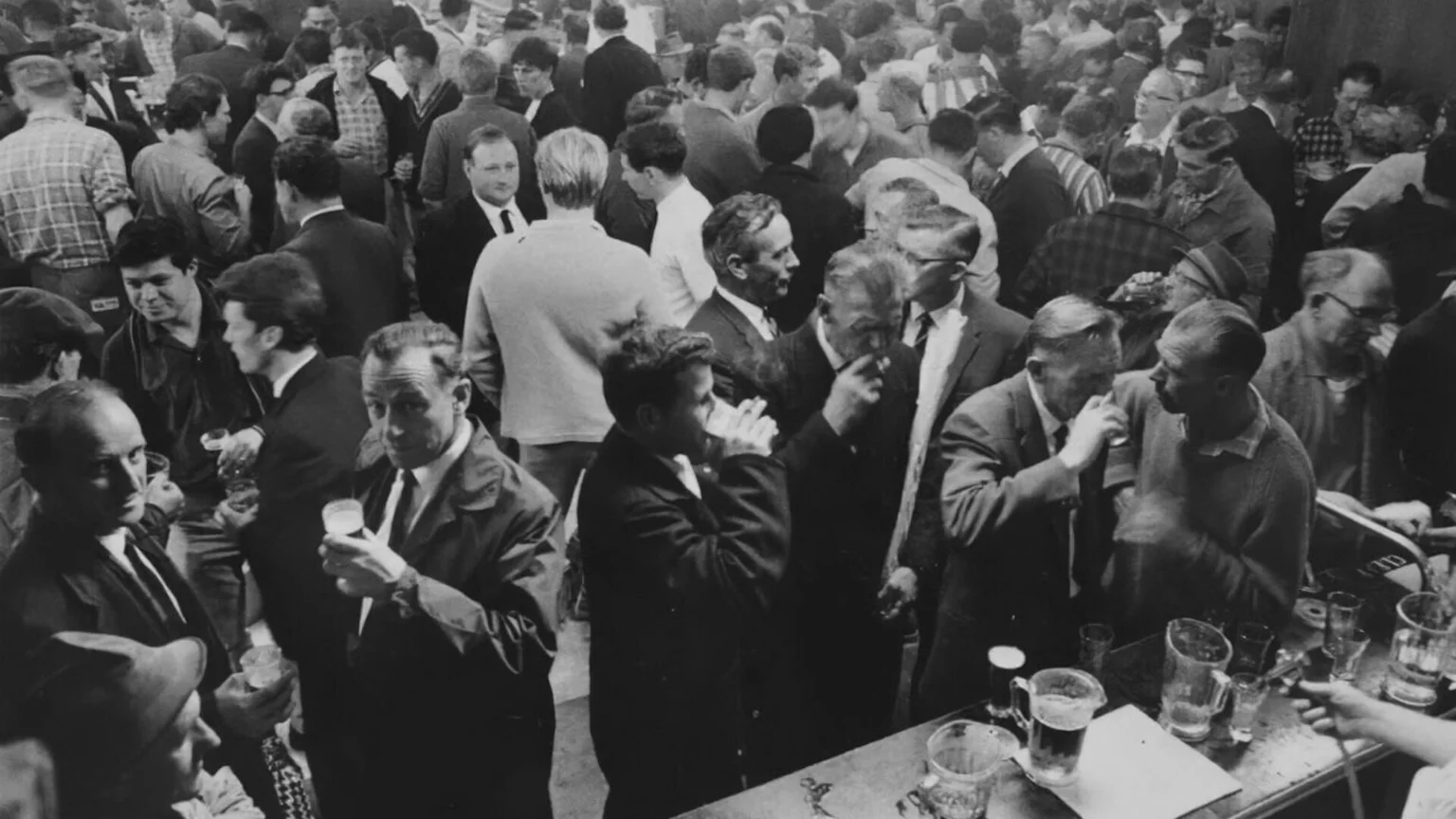
Under the law, people finishing work had only a short window to visit their local pub before closing time. As a result, many men rushed to drink as much beer as possible in the hour after work. Pubs became crowded, noisy places, with customers trying to finish their drinks before the final 15 minutes of “supping-up” time ended. This hurried drinking culture became widely known as the “Six O’clock Swill”.
By the 1960s, attitudes towards the law were changing. Restaurants and the tourism industry wanted more flexible licensing hours, while sports clubs and Returned Services’ Association venues also supported changes that would allow people to socialise for longer.
On 23 September 1967, New Zealand held a national referendum on later pub closing hours. Around 64.4% of voters supported extending the hours. Most local authorities chose to allow pubs to open from 11 am until 10 pm.
The final six o’clock closing took place on Saturday, 7 October 1967. Two days later, on Monday, 9 October, the new 10 pm closing hours officially began.
The end of the Six O’clock Swill was more than a change to pub opening hours. It marked a shift in New Zealand’s social life, changing how people gathered, ate and drank after work. A temporary wartime rule had lasted half a century, but public opinion eventually helped bring it to an end.
Published by Ketan Kumawat
09 Oct 2026