Movies
The Day Indian Cinema Found Its Voice: The Legacy of ‘Alam Ara’
Published by Ketan Kumawat
23 Jun 2026
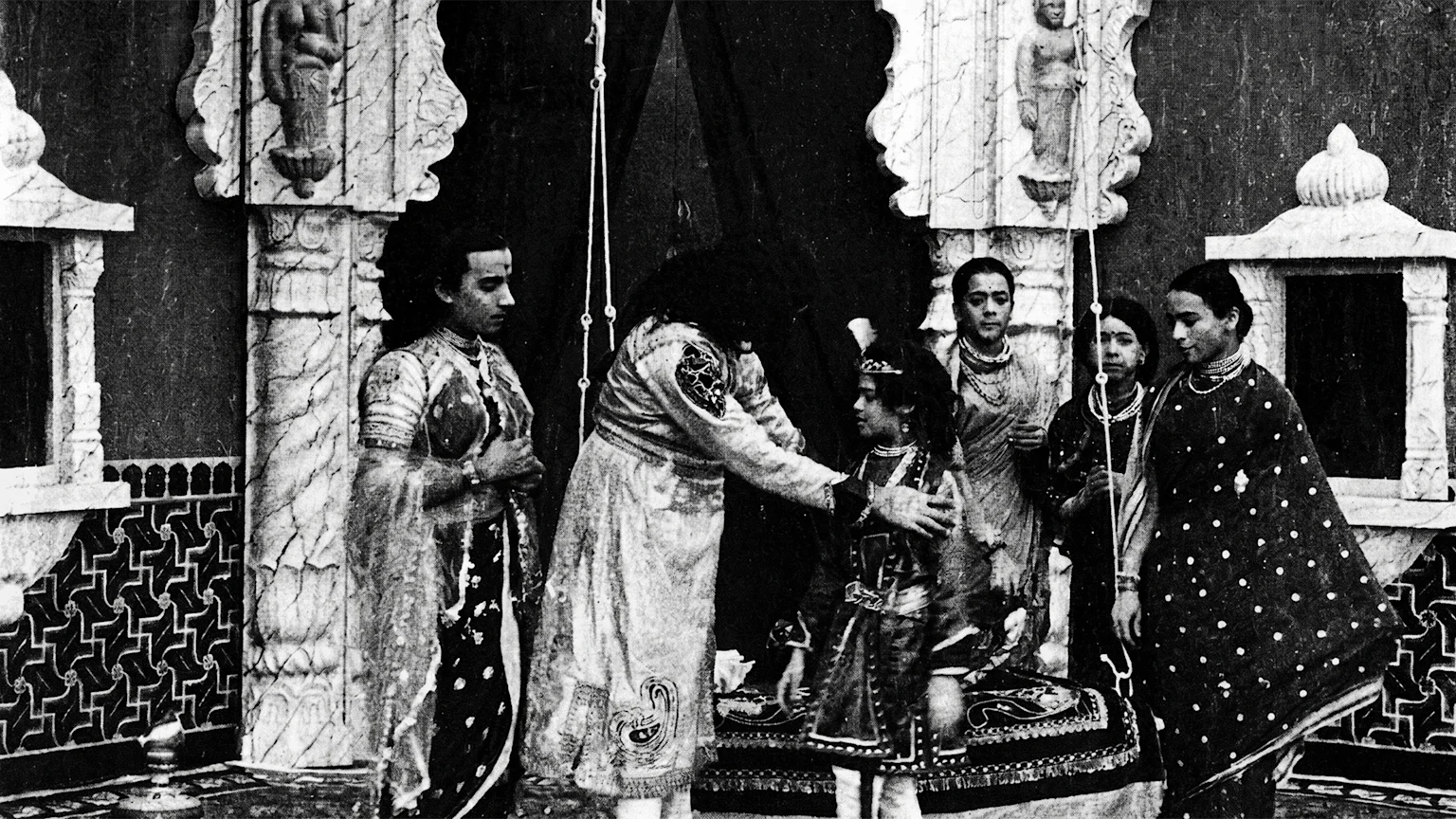
📰 The Voice of a Nation: The Incredible Story Behind 'Alam Ara'The Spark of Evolution. In 1929, filmmaker Ardeshir Irani watched the American part-talkie Show Boat in Bombay. Spellbound, he vowed to bring sound to Indian cinema. He adapted Joseph David’s popular Parsi stage play, Alam Ara (Ornament of the World), choosing a blend of Hindi and Urdu to maximize audience appeal. Midnight Shoots and Hidden Mics: Filming India's first talkie was a logistical nightmare:
The Train Problem: The studio sat right next to a busy railway track.
The Midnight Shift: Crew filmed strictly between 1:00 AM and 4:00 AM to avoid train noise.
The Audio Setup: Microphones had to be hidden inside costumes and behind set props.
The Cost: Irani skipped hiring expensive foreign experts, teaching himself sound recording instead.
Language Barriers: Silent superstar Ruby Myers lost the lead role because she could not speak Hindustani. Zubeida was cast instead.
Enter MA Jinnah: Male lead Master Vithal faced a breach-of-contract lawsuit from a rival studio for taking the role. He famously hired future politician Muhammad Ali Jinnah as his lawyer to win the case.
High Drama Behind the Scenes. The casting process was as dramatic as the film’s plot: Birth of the Bollywood Musical. When the film premiered at Majestic Cinema on March 14, 1931, it triggered absolute chaos. Crowds queued from 9:00 AM for afternoon shows, forcing police to use batons for crowd control. The movie featured seven tracks, establishing the song-and-dance formula that defines Indian cinema today. The track "De De Khuda Ke Naam Pe Pyaare", performed by Wazir Muhammad Khan, holds the historic title of the first-ever song in Hindi cinema. The Heartbreaking LossAlam Ara permanently transformed the industry, but its physical legacy is gone. No complete prints or gramophone records are known to survive. The National Film Archive clarifies that it was lost to time long before the archive was even established in 1964. Today, it remains the most important lost film in Indian history.
Published by Ketan Kumawat
23 Jun 2026