Opinion
Te Pāti Māori Squandered Its Moment
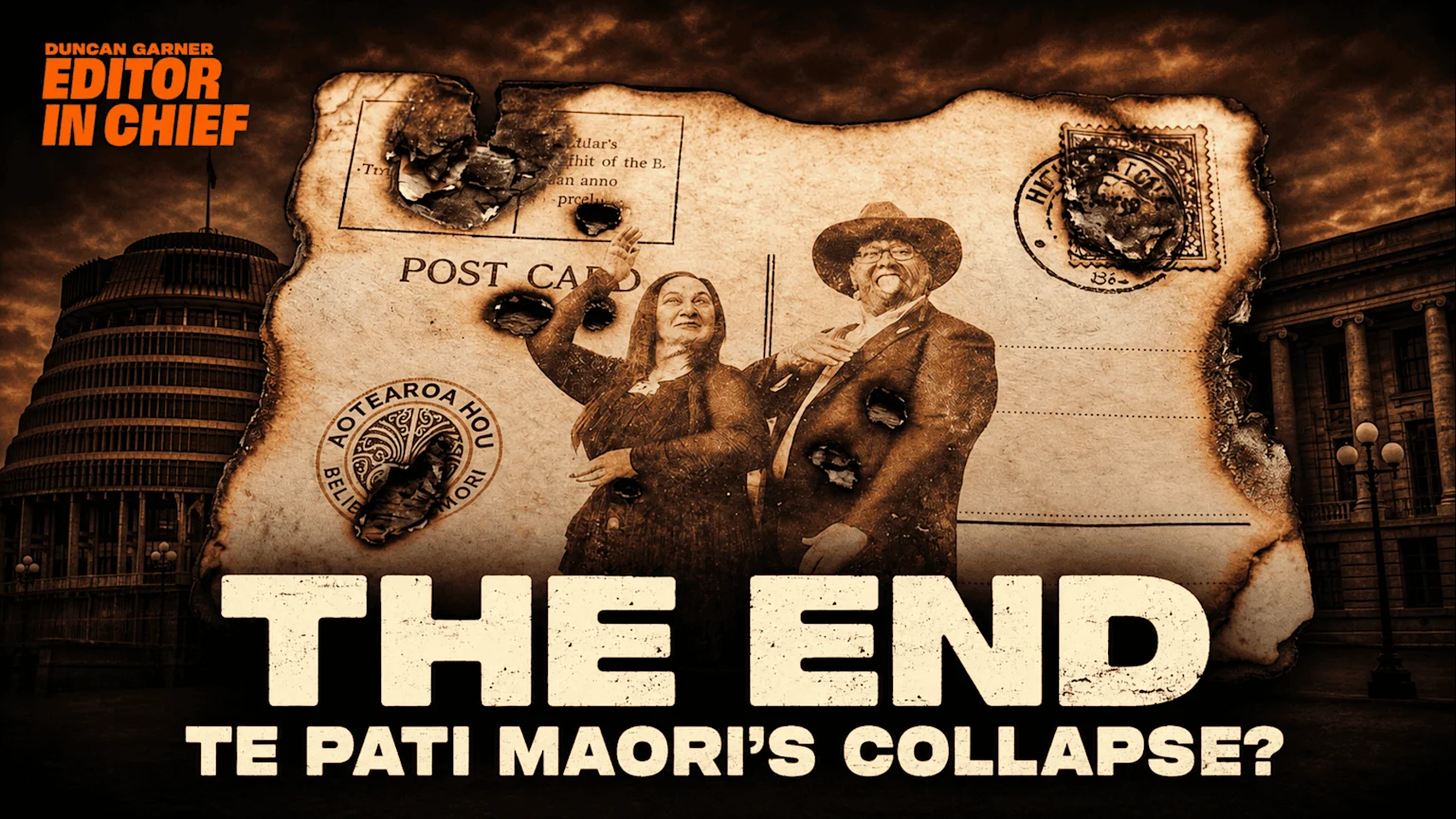

Published by Duncan Garner
12 May 2026
Māori voters handed Te Pāti Māori real power, and now the party looks more interested in fighting itself than using it.
Te Pāti Māori was given a golden ticket and somehow turned it into a court file, a breakaway party and a rolling public embarrassment.
That is the brutal truth. This was not some fringe outfit scratching around for relevance. Māori voters gave Te Pāti Māori six of the seven Māori seats. They handed it a platform most minor parties would crawl over broken glass to get. They gave it leverage, attention, mana and the chance to become a permanent force in New Zealand politics.
And what has it done with all that? Fought itself to bits.
Watch the full episode here:
Mariameno Kapa-Kingi’s expulsion was ruled unlawful by the High Court, with the party ordered to reinstate her. That should have been the moment the adults took charge. Instead, it exposed the obvious. A court can force a party to open the door. It cannot force trust, unity or political maturity.
Now Kapa-Kingi has gone and launched the Te Tai Tokerau Party, a new movement to contest the 2026 election. That is not renewal. It is another splinter. Another grievance vehicle. Another reminder that Māori politics keeps being let down by people who mistake personal conflict for kaupapa.
This is the tragedy. Te Pāti Māori had a serious path available to it. It could have held the Māori seats, built discipline, negotiated hard with Labour or National and extracted real gains for Māori whānau election after election. Housing. Health. Jobs. Education. Regional investment. Tangible wins.
Instead, too often it chose theatre.
The haka clips, the slogans, the social media applause, the constant outrage machine, it all feels powerful for about five minutes. Then what? Does it get a young Māori father a job? Does it lift a child’s reading level? Does it get a whānau into a warm house? Does it make a diabetic appointment happen sooner? No. It feeds the echo chamber and calls that progress.
Politics is not performance art. It is grind. It is patience. It is negotiation. It is knowing when to roar and when to count the numbers. Te Pāti Māori had the numbers, the seats and the moment. It lacked the discipline.
John Tamihere and the leadership need to own this. You cannot build a lasting movement on ego, suspicion and loyalty tests. You cannot call yourself a voice for the people while turning internal disagreement into exile. And you cannot keep blaming everyone else when your own house is falling apart.
Māori voters are not stupid. They know the difference between power and noise. They know when a party is delivering and when it is just performing. They also know division when they see it.
Kapa-Kingi’s new party may fire up Te Tai Tokerau for a while. It may give people a place to park their anger. But breakaway movements usually begin with noble language and end with bills, bruises and bitter memories. Grievance can launch a party. It rarely sustains one.
None of this means Māori representation does not matter. It matters enormously. The inequalities are real. The need is real. Māori communities deserve strong, serious, relentless advocacy. But that is exactly why this collapse is so unforgivable.
Te Pāti Māori could have been indispensable. It could have been feared, respected and courted by every government. It could have turned six seats into long-term power.
Instead, it looks temporary.
And if Māori voters decide they have had enough of the drama, Te Pāti Māori will have nobody to blame but itself.
Listen to the full episode:
Published by Duncan Garner
12 May 2026