New Zealand
Survey puts the spotlight on a stretched kidney healthcare system

Published by Rebekah Hunt
05 May 2026
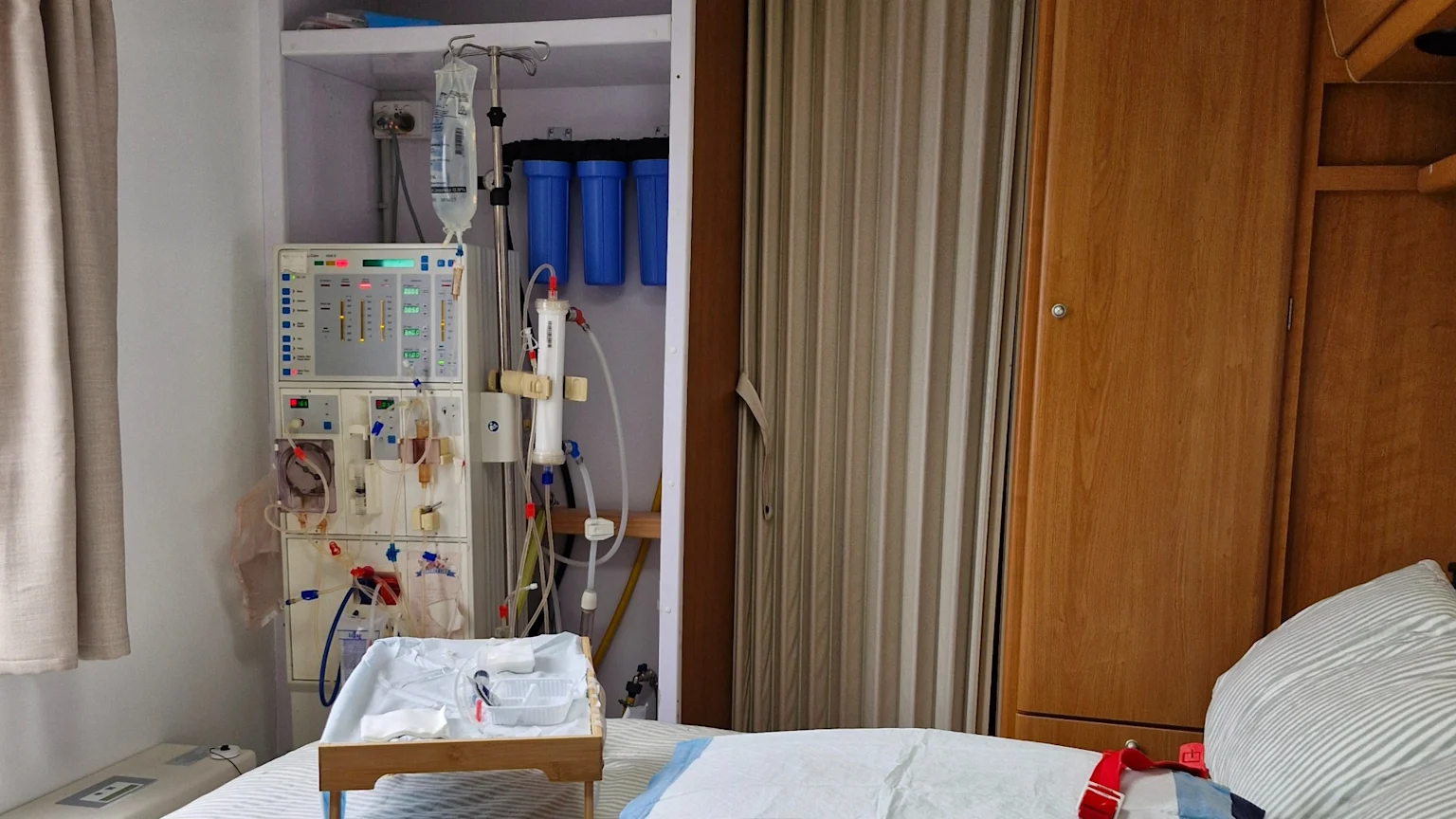
Dialysis, carried out multiple times a week, can keep kidney failure patients alive. Yet a report released by the Australia and New Zealand Dialysis and Transplant Registry (ANZDATA) suggests the sector is stretched beyond its means.
Auckland units appear the worst off, operating at 150%. That means one machine shared between six patients. In Northland it’s 5-to-1, while the national average ratio is 4.53.
Kidney Health NZ General Manager Madi Keay told rova it is cause for concern:
“That means that patients are already dialysing into the night. It's disruptive to their lives, to their families. But it's also really challenging for staff. We know that that leaves almost no spots available for urgent dialysis.”
She added the international best practice maximum is 4-to-1.
The report also points out there are just three haemodialysis units in the South Island.
“Dialysis is already a five-hour treatment, and we know some people around the country are commuting more than three hours each way to be able to access that service,” said Keay.
“That’s a massive burden on people, not only in terms of transport costs and time, but also pulling them away from their family - from their ability to earn income. It’s hugely destabilising.”
Health New Zealand is aware that the current availability of dialysis services isn’t meeting the access needs of communities.
In a statement released to rova, Co-chair National Renal Clinical Network Dr Drew Henderson said they are committed to improvement.
“We acknowledge that some patients travel long distances, and others have to receive it at inconvenient times. We work really hard to ensure these current capacity constraints do not unduly impact patient health outcomes,” he added.
The Renal National Clinical Networkis developing a nationwide renal dialysis plan to tackle the issue.
It will consider a range of topics, including where dialysis capacity is currently and where it needs to be located to improve access. It will also examine how dialysis can be better made available, particularly in rural communities, and to increase capacity in Auckland.
“In the short term the solution will be more shifts to ensure needs continue to be met. Longer term we plan to boost the supporting infrastructure in more districts,” said Dr Henderson.
Keay warned demand is expected to grow by 30% in the next decade.
“We know that we need more renal nurses to be able to provide more dialysis. It’s a highly skilled form of nursing. We can’t just take people from other parts of the hospital. This needs to be a conscious investment in providing life-sustaining dialysis for renal people,” she said.
But she also pointed out reform shouldn’t be confined to dialysis.
“We cannot dialyse our way out of the tsunami of kidney disease that is coming our way, and we need to see equal importance placed on early detection and screening at primary care level.”
Some patients lose 70% of function before exhibiting any symptoms at all, so New Zealanders are urged to ask for a kidney test at their local GP.

Image: Madi Keay (supplied)
Published by Rebekah Hunt
05 May 2026