New Zealand
‘Super whitebait’ may hold the key to stronger NZ shoals

Published by Rebekah Hunt
27 Jun 2026
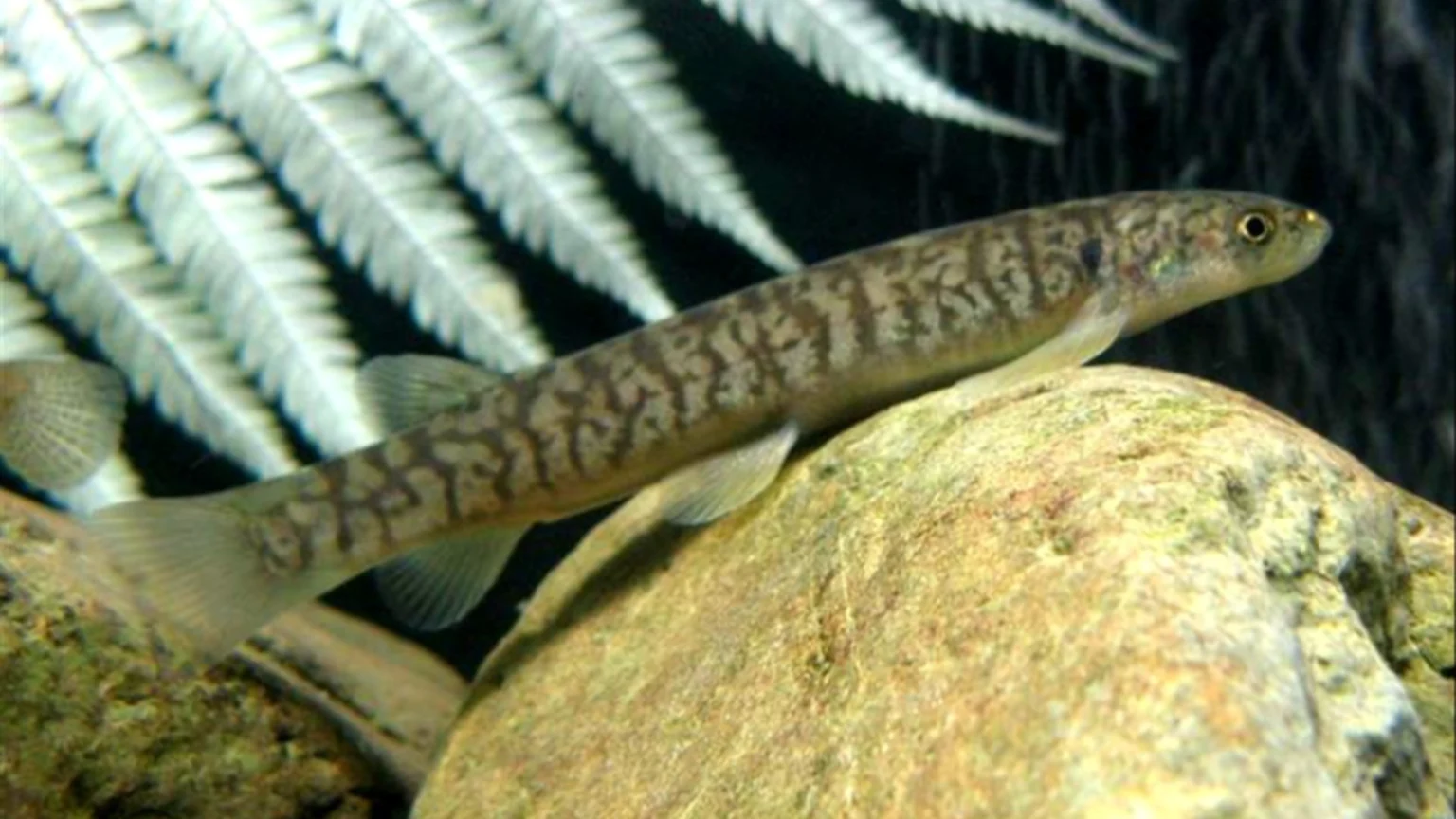
An Otago University study published in the Nature Communications Journal has discovered that some of the fish can rapidly adapt to environmental changes, like becoming landlocked.
Senior author and Professor Jonathan Waters, from the Department of Zoology, told rova it’s like they’re genetically pre-programmed to change their habits in freshwater.
“Whitebait isolated in lakes can rapidly swap their life-cycles. It’s too cold in winter for there to be much food, so they start breeding in spring, instead of autumn,” he explained.
Lake whitebait also appear to have more babies, implying a higher fertility rate. But Waters said it was the biological results that were most surprising.
“The ones that go to sea are like super whitebait, they're really muscle-y and grow fast and big, whereas the ones in the lake are weedy and quite pathetic.”
He imagines it’s something to do with the ferocity of the water.
“In the sea, you're going to get smashed by the waves and the wind, so you really need to be a strong swimmer to make it back to your river. Whereas if you can just cruise around in a lake over summer, it's pretty benign…”
Waters said the study raises interesting questions about conservation, given that whitebait are in decline.
“Now we know that the ones that go to sea grow way bigger and faster than the lake ones, we know where to source our broodstock for [aquaculture].”
“I think we used to see this as a bit of a one-way process; once you'd stopped going to sea, you couldn't go back. But maybe some populations could become migratory,” he added.
Possible applications are made more intriguing by the extent of environmental changes in New Zealand. As Waters pointed out, the ground is prone to moving.
“In New Zealand, earthquakes have caused major landslides, which have formed new lakes and prevented whitebait from going to sea.”
There are limitations - the genetic material to make the switch was found in about 5% of the Kōaro species, which was the focus of the study. Whitebait is an umbrella term for six species in total.
Still, Waters described Kōaro as the ‘second most important’.
“We call the [5%] 'jackpot individuals'. It's almost like in their back pocket, they've got this module or this cassette that they can then use should they become landlocked.”
It appears whitebait have mastered the switch-up.
Photo credit: Stella McQueen
Published by Rebekah Hunt
27 Jun 2026