New Zealand
Pink Shirt Day: Mental health expert urges Kiwis to ‘intervene’ in bullying


Published by Euro Yong
15 May 2026
Pink Shirt Day has returned to Aotearoa, with the Mental Health Foundation urging Kiwis to turn the tide on bullying by becoming "upstanders" in their communities.
The movement, which originated in Canada in 2007 after two students supported a peer experiencing homophobic bullying, has since spread to 180 countries. New Zealand joined the cause in 2012, later forming a partnership with the Cotton On Foundation in 2019 to produce the official pink t-shirts seen in schools and workplaces nationwide.
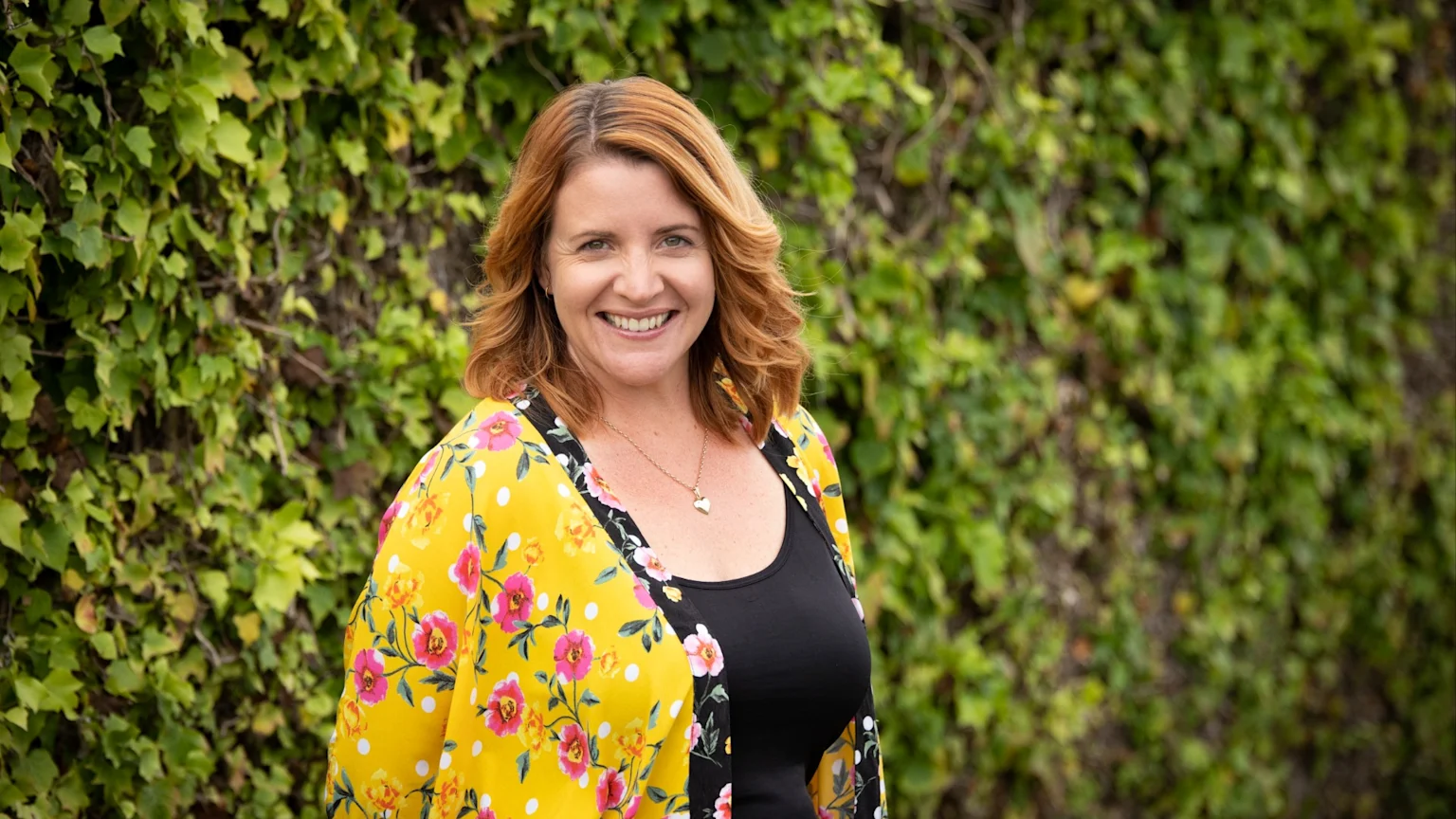
Kylie Ryan, Health Promotion Specialist at the Mental Health Foundation, said the day is a celebration of people coming together to prevent bullying.
"We’ve seen a big shift in people intervening in situations and taking personal responsibility, which is great to see," Ryan said.
She noted that studies into the effectiveness of the campaign show that over one million people continue to intervene in bullying situations even after Pink Shirt Day ends.
The focus of the 2026 campaign remains on the long-term impact bullying has on mental well-being. Ryan explained that while bullying was once dismissed as a "rite of passage," the medical community now understands the deeper impacts.
"The mental distress that's caused from bullying, particularly because of the repetitive nature of it, has a real impact on people long-term," she said.
People can be different from you, and that’s okay. We can still treat them with the kindness and respect they deserve.
Ryan also emphasised the importance of schools and workplaces listening to minority groups, including Rainbow students, who are statistically more likely to experience harassment. She added that adults must role-model inclusive behaviour to help protect their whānau and wider communities.
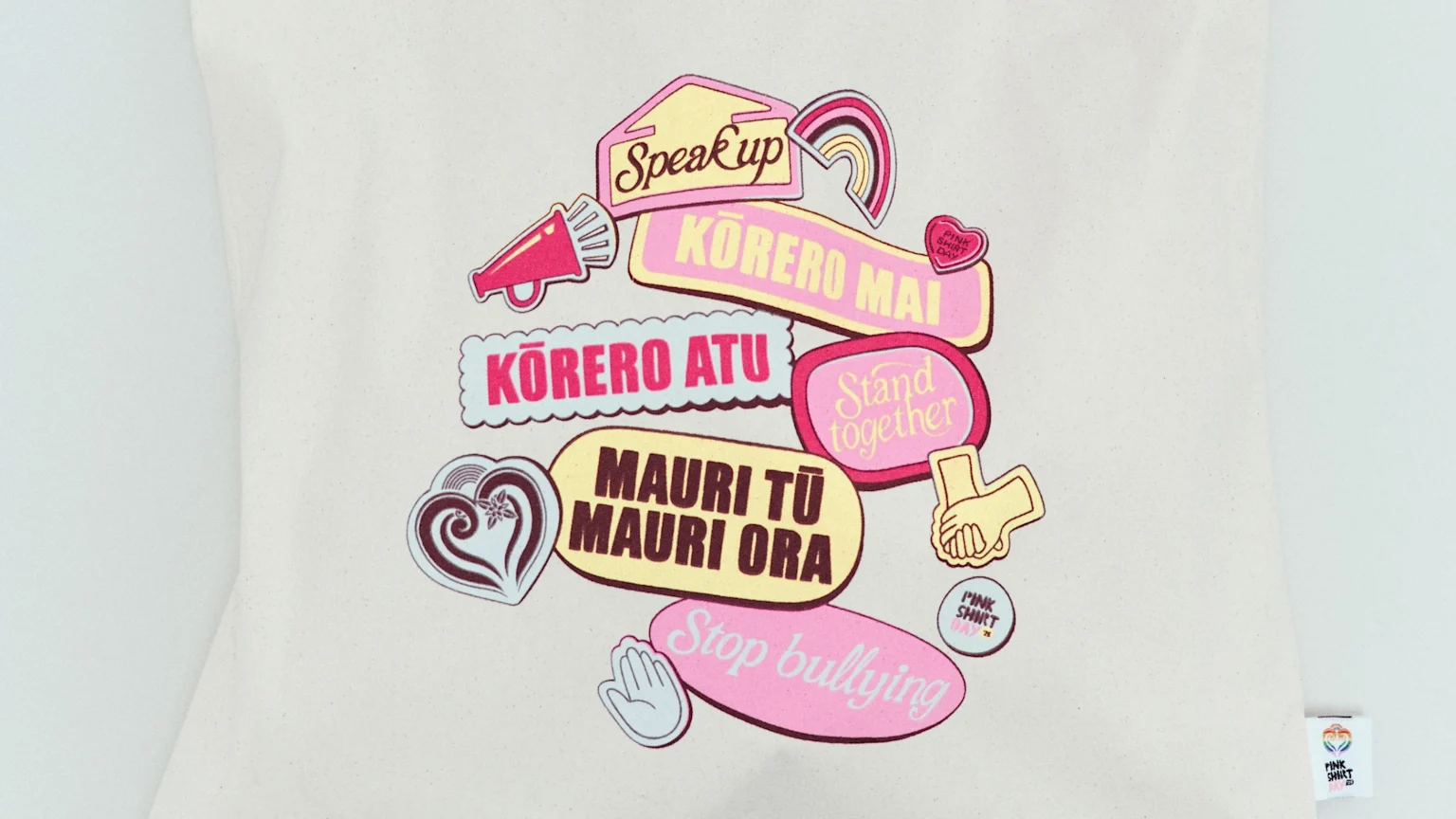
Funds raised from the sale of pink shirts, pins, and tote bags go toward the Mental Health Foundation's year-round advocacy and bullying prevention programmes. Ryan encouraged anyone who sees distress to step up, as when one person acts as an upstander, others are more likely to join in.
Help is available:
Lifeline: 0800 543 354 or text HELP to 4357
Suicide Crisis Helpline: 0508 828 865 (0508 TAUTOKO)
Youthline: 0800 376 633 or text 234
Images supplied.
Published by Euro Yong
15 May 2026