New Zealand
REVIEW: Māori Battalion film 'Sgt. Haane' should be mandatory viewing for Kiwis

Published by Monika Barton
21 Apr 2026
There's a New Zealand war drama coming to the big screen just in time for ANZAC Day - and it tells a true story that's been sorely sidelined from our country's history.
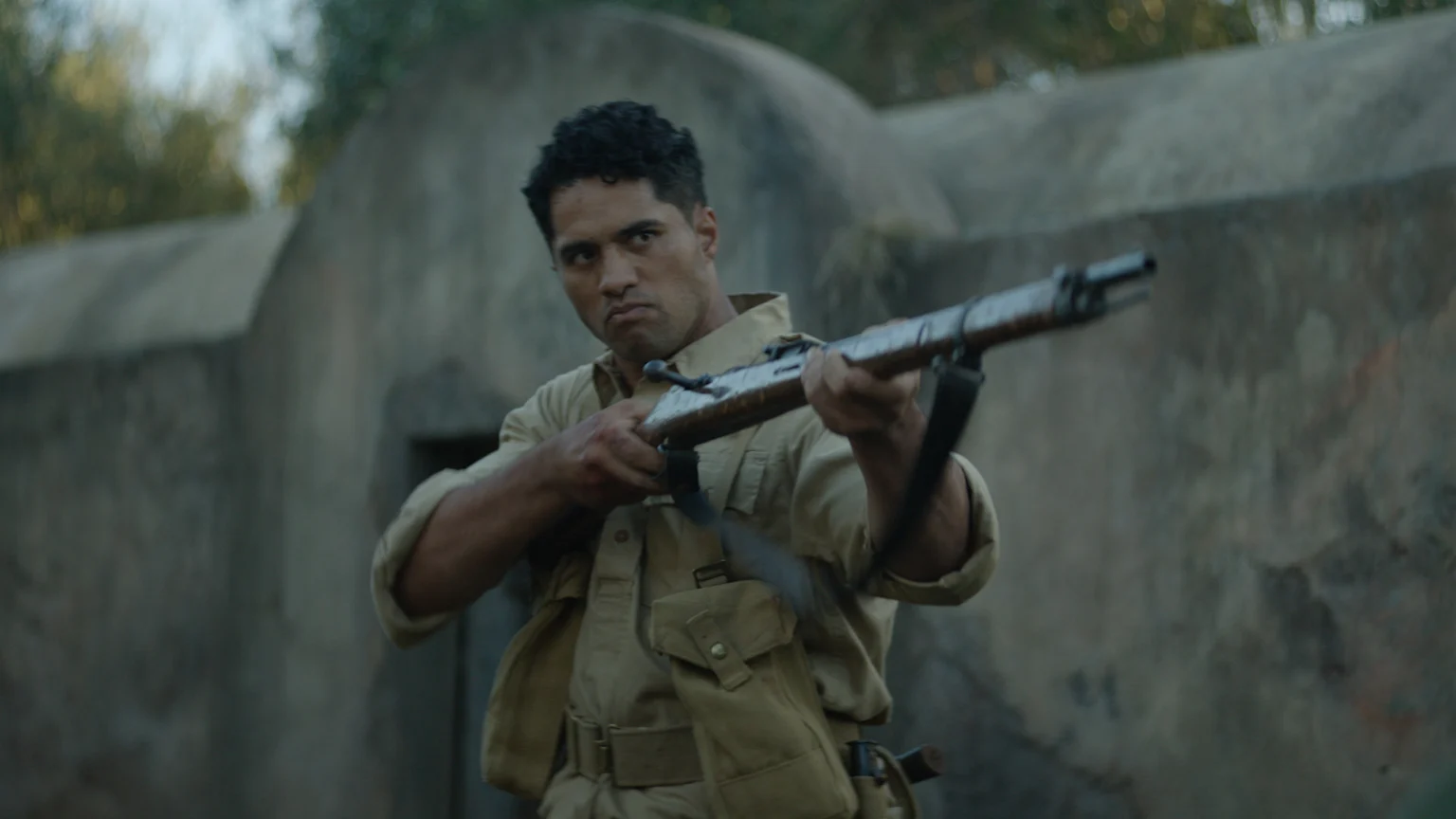
'Sgt. Haane' is a docu-drama that recounts the incredible untold tale of Lance Sergeant Haane Te Rauawa Manahi, one of the first men to enlist in the 28th Māori Battalion when WWII broke out.
The film features intimate interviews with Haane's descendants, many of whom were in attendance at the Auckland premiere last night, brimming with pride at the opportunity to honour the mana of this man and the many others who fought alongside him.
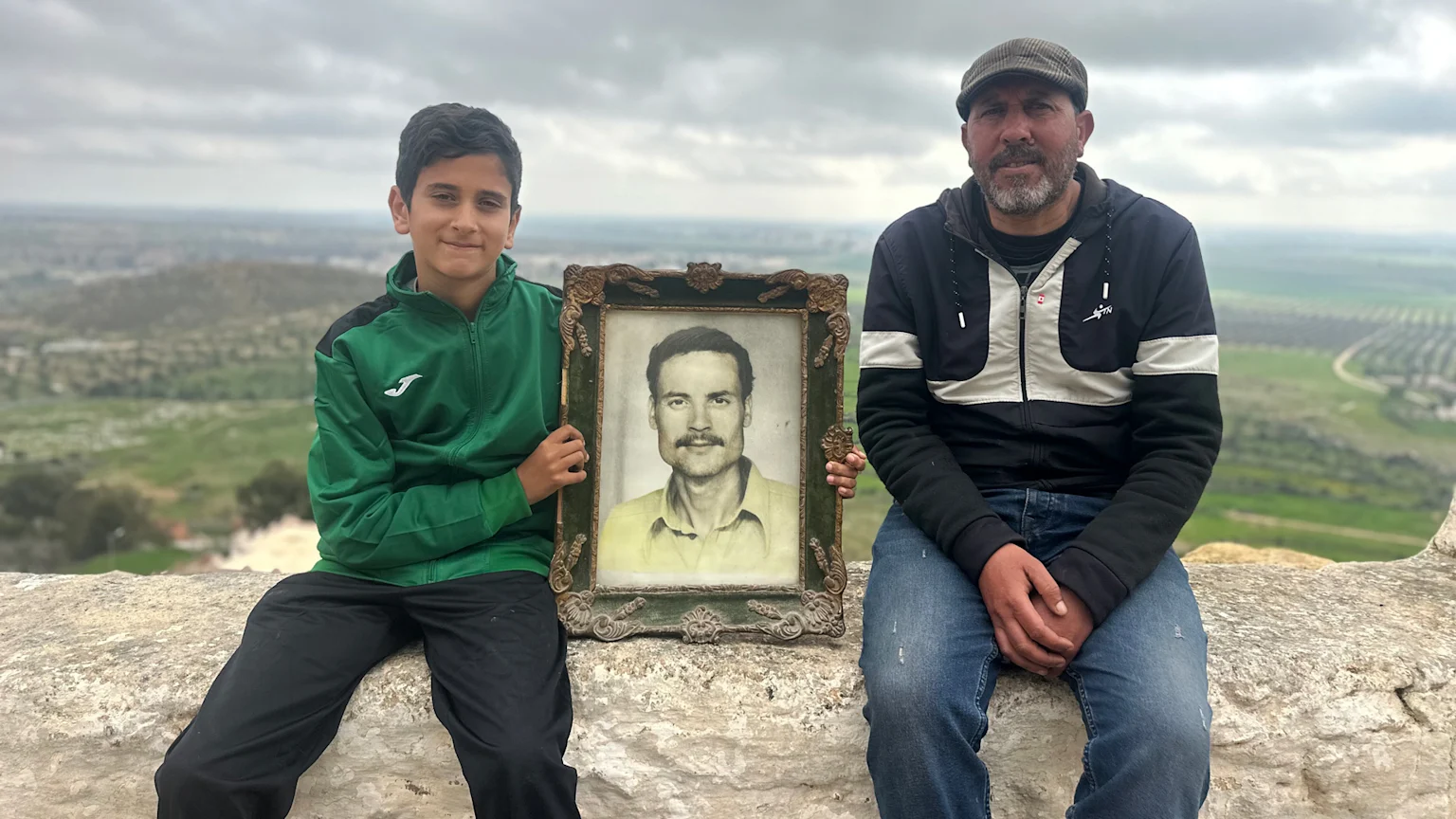
Hearing from Haane's whānau and seeing the enduring impact of his legacy on several generations of Te Arawa lineage packs enough of an emotional gut punch on its own. Still, director Tearepa Kahi didn't stop there. He expertly weaves in visceral reenactments of the 1943 Tunisia campaign that made Haane a legend, as well as sharing the story of a North African family who remember him as a hero for how he and his men helped them hide from the invading German and Italian troops who had massacred many locals.
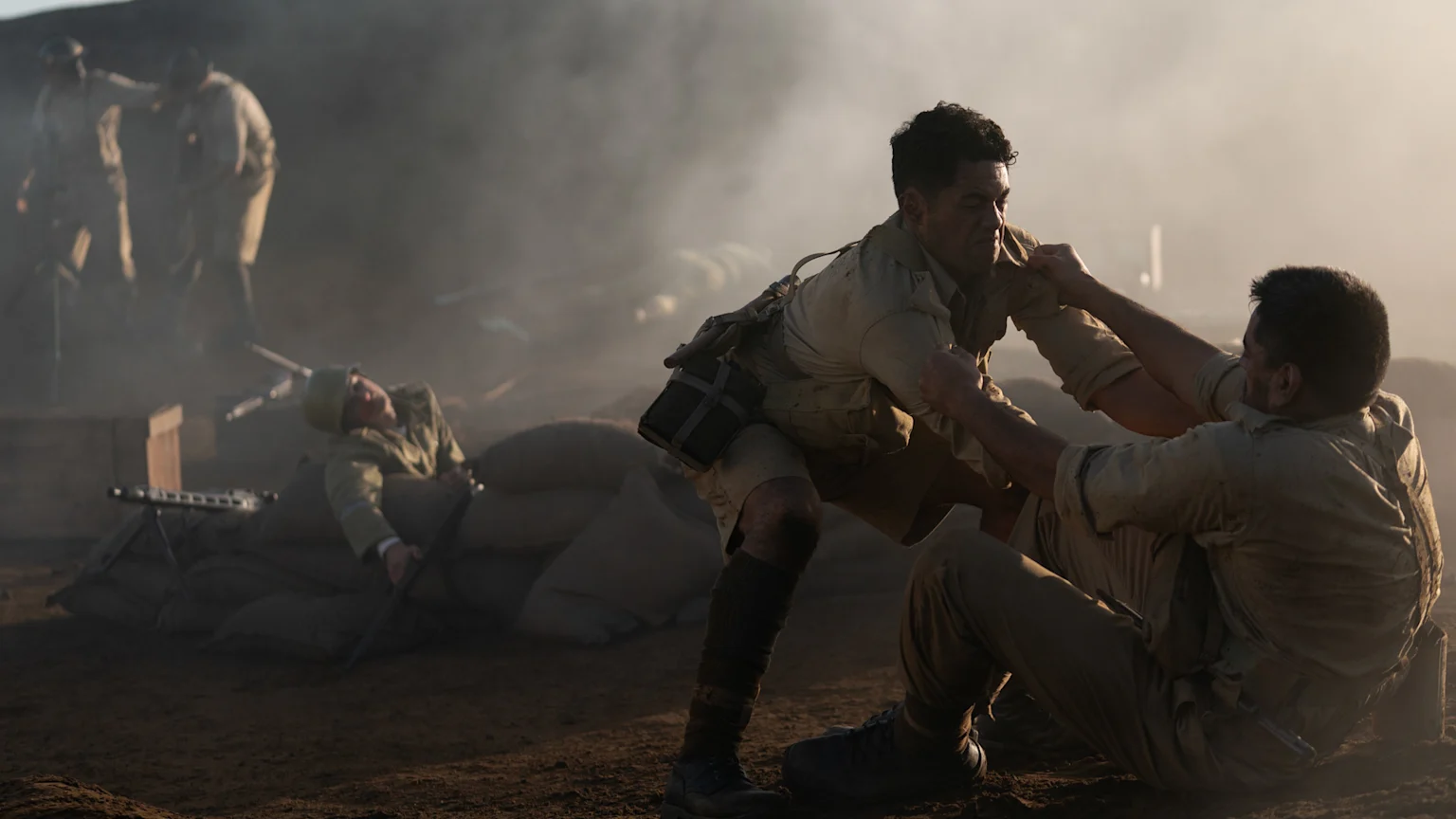
Alex Tarrant is brilliant in his portrayal of Haane - a role that could scarcely have bigger boots to fill - and his on-screen brothers-in-arms are similarly captivating.
In fact, the small group of B Company soldiers led by Haane in an extraordinarily courageous attack on the heavily fortified pinnacle of Takrouna in Tunisia were all cousins. Knowing this helps us to understand why Haane risked everything to carry his wounded comrades to safety across treacherous terrain, but does little to allow us to fathom how he - or anyone - could have the resilience to run to the foot of the mountain for aid and reinforcements before scaling it again.
The scenes of Haane and the remainder of his platoon climbing 500 feet up sheer cliffs while under heavy enemy fire might seem hard to believe, but it's all there in the citation for the Distinguished Conduct Medal he was awarded for his valour. Haane was recommended several times over for the Victoria Cross - the highest decoration in the British Armed Forces - but this was mysteriously downgraded, and an empty silhouette of the medal is carved into the tekoteko figure honouring Haane in the wharenui of Te Papaiouru Marae.
Haane ignored orders to withdraw, withstanding machine-gun fire and intense mortar attacks to eventually capture the pinnacle, forcing some 60 enemies to surrender. That's only one of many gallant acts the sergeant and his men carried out, against the odds.
At the premiere - held on the same date her uncle took on Takrouna 83 years earlier - Dr Donna Morrison warned there wouldn’t be a dry eye in the house. She was right. I sobbed my way through the whole thing, moved not just by the fearlessness, tragedy, and horrors of battle, but by the fact that the men of the Māori Battalion were sent to fight for a country that treated them as second-class citizens - even when the survivors returned.
I was also floored by how Haane's company showed compassion to the family from Takrouna, who were found hiding in a cave as their home became a war zone. My Polish Jewish grandfather and his family were hunted and murdered by the Nazis during the same war. We often say, "If Hitler had his way, we wouldn't be here". Director Kahi filmed Niza Chhoubi, whose grandfather encountered B Company troops on the mountain, telling his son: "We are only here today because of Haane Manahi."
Through tears, a nagging question returned over and over - why don't all New Zealanders know this story? Why, until now, has Haane's legacy been kept alive almost solely by his relatives? As our Government proposes to water down teaching Aotearoa NZ history in schools, the importance of this kind of storytelling is clearer than ever.
It's impossible not to be stirred by the mind-boggling bravery depicted in 'Sgt. Haane', but returning to the testimonies of the bereaved who never saw their tāne come home also reminds us of an inescapable truth: The senselessness of war. As one of Haane's descendants tells his kids at the start of the film, "I don't think there are any winners."
The movie is a story of injustices, of both humanity and lack thereof, of heroism, of whānau and culture. It's a hell of a lot more than your classic war movie.
The 28th Māori Battalion fought for New Zealand, and every New Zealander should see this film.
'Sgt. Haane' hits cinemas on April 23rd.
Published by Monika Barton
21 Apr 2026