New Zealand
Price gouging and a supermarket shake up

Published by Ben Goldson
17 Sep 2026
With the election looming, both of the main parties have come out with policies aiming to tackle rising costs for consumers.
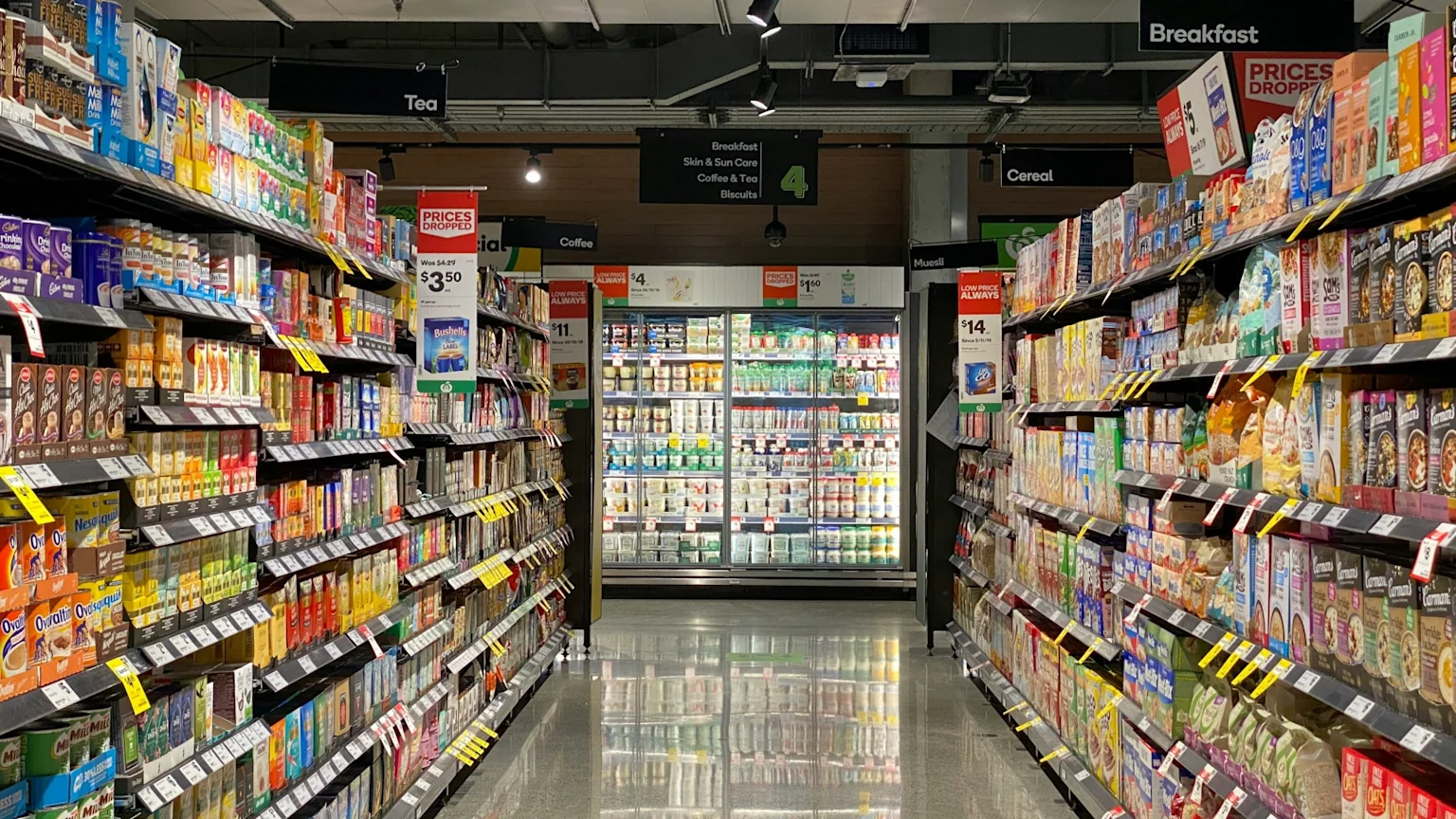
First came National’s pledge to pursue the potential break-up of Foodstuffs into two competing brands; Pak'nSave on one side, and New World/ Four Square on the other. The move, which would be subject to a review by the Commerce Commission, raised eyebrows from some, not least coalition partner Winston Peters, who turned to music to express his irritation with what he saw as National pinching his own policy.
Business NZ came out against the policy for seemingly violating the laws of the free market.
Speaking to rova, Advocacy Director Catherine Beard blasted the proposal.
“It’s an alarming suggestion. A government reaching into private businesses and forcing a separation is not the normal thing we would expect in New Zealand. We've long benefited from a reputation for regulatory stability, respect for property rights, and predictable policy settings. It would have the potential to send a message to international investors that they should be careful about New Zealand because you could have the government reach in and take your business apart.”
She says this is an unusual pledge by the National Party, and they would consider it in a similar vein to what we've heard from New Zealand First about splitting up gentailers and back to the last Labour government having a ban on oil and gas exploration.
Along with the potential hit to our standing abroad, Beard says it could also have the opposite effect on prices at the checkout:
“It's a very high-risk move. If you look at the Commerce Commission grocery reports, they will show that there is the most competition in groceries actually in Auckland where the population supports it. So, it definitely could lead to an increase in prices.”
Instead, she points out that changes in how we tax food could make a more noticeable impact on people’s wallets.
“A lot of countries we like to compare ourselves with actually take the GST or the VAT off food. New Zealand doesn't. So, if the government really wanted to actually have competitive pricing, maybe they could look at the tax they take from consumers.”
More optimistic was Consumer NZ’s Jon Duffy, although he did confess to being surprised by the move/
“Proposing a structural separation of a large business is not traditionally the territory of the National Party.”
“This is a sign that, across the political spectrum, political parties are listening to New Zealanders, and it's good to see National come up with a really well-thought-through plan. It's probably the most comprehensive and practical policy approach I've seen from any of the parties to date.”
Labour is also taking aim at excessive prices - however more broadly. It is looking to tackle price gouging at the checkout across most industries - like food and fuel.
At the heart of Labour’s pledge was a push to criminalise the practice of big players using their control of the market to overcharge for goods and services. In doing so they would give the Commerce Commission the power to go after the gougers, with companies found in breach subject to pay up.
Although he expressed support for the principle of Labour’s policy when speaking to rova, Consumer’s Jon Duffy said it could prove more difficult in practice:
“We have had concerns over the years about industries where there's not a lot of competition, which enables the big players to exploit their market power and charge consumers more than they would be able to if there were good levels of competition. At a general level, we're supportive of price gouging being illegal.”
“The devil will be in the details of this. It’s notoriously difficult to pin down price-gouging, because it's quite difficult for consumers, and even agencies such as the Commerce Commission, to detect. That's one of the issues with the policy as it's been launched.”
“From market studies that looked at supermarket profitability, it was estimated at around a million dollars a day in excess profits, but whether those would meet the definition of price gouging under Labour's policy, I don't know.”
Published by Ben Goldson
17 Sep 2026