News
NZ’s longest lizards find new lease on life on Great Barrier Island

Published by Ben Goldson
25 Nov 2026
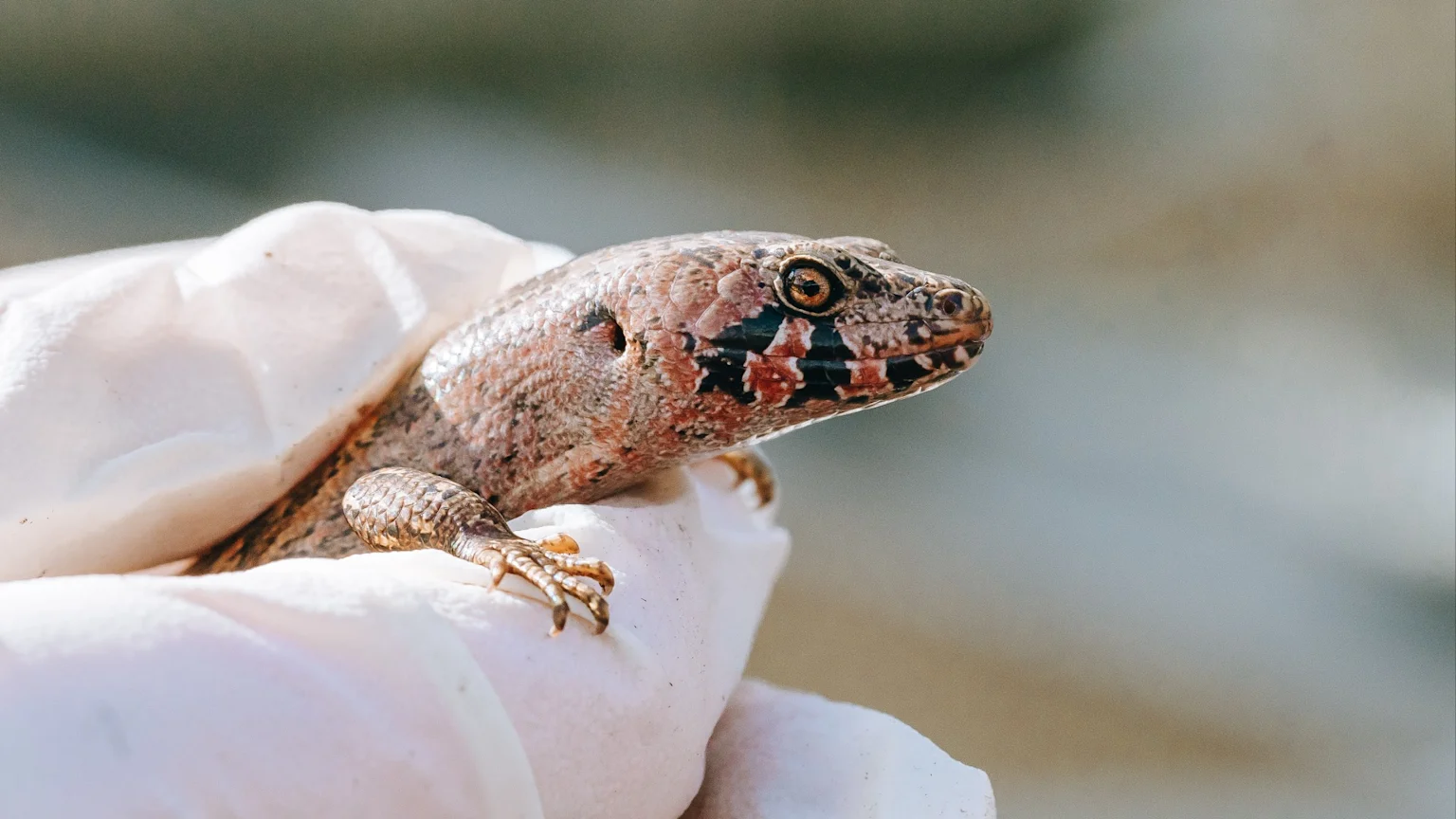
Back in the 1990s, three injured niho taniwha were taken from Great Barrier Island (Aotea) to Auckland Zoo for some important rehabilitation.
Also known as the chevron skink, their numbers soon swelled to 21.
Today, predator control efforts on the island are so advanced that conservationists feel confident to return them to the lands their ancestors once roamed.
Having returned an initial batch of ten earlier this year, the loop has now been closed with a second drop of the remaining lizards. With their long tails only matched by their relatively long lives, the drop included the three skinks who were first taken to the zoo all those years ago. Whether or not they remember the island is another question.
Speaking to rova, Department of Conservation’s Aotea Operations Manager Fletcher Beazley says it was a major moment for both local residents and conservationism.
“The translocation is a special event for the people of Aotea. The skink is one of New Zealand's rarest lizards. They're endemic to the country, used to be all over the North Island, but now they're only found on Aotea and Hauturu (Little Barrier Island) in small numbers.
“They were taken from Aotea when they were young, and since being at the zoo, they have multiplied into 21 individuals, and we have been really lucky over the past year to bring all of these skinks back home.
“They live for around 40 years, so the original three were able to come back to where they're from, and to bring all their children and grandchildren with them, it's really special. We're hoping that they're really going to boost the population, and it's a pleasure to have them back, so the community is really excited.”
With the tuatara actually being of a closely-related but distinct reptile lineage, the skinks hold the title of New Zealand’s longest lizard, measuring up to 34cm from nose to tail (mostly tail).
They are also known to be a very vocal creature, emitting a range of grunts or squeaks when disturbed, and their patterns are so unique that they can often be identified without the need for any high-tech microchipping.
What we do not know as much about however, is exactly how they behave in the wild.
Part of the problem is a historic mix-up which saw them listed as living on a different island. Another is their secretive behaviour and excellent camouflage, and of course, the small number of them left in the world, with only around 500 reported sightings since 1906.
As a result, Beazley says this latest release provides them with a great chance to gather more data on them, which can then be used to further conservation efforts.
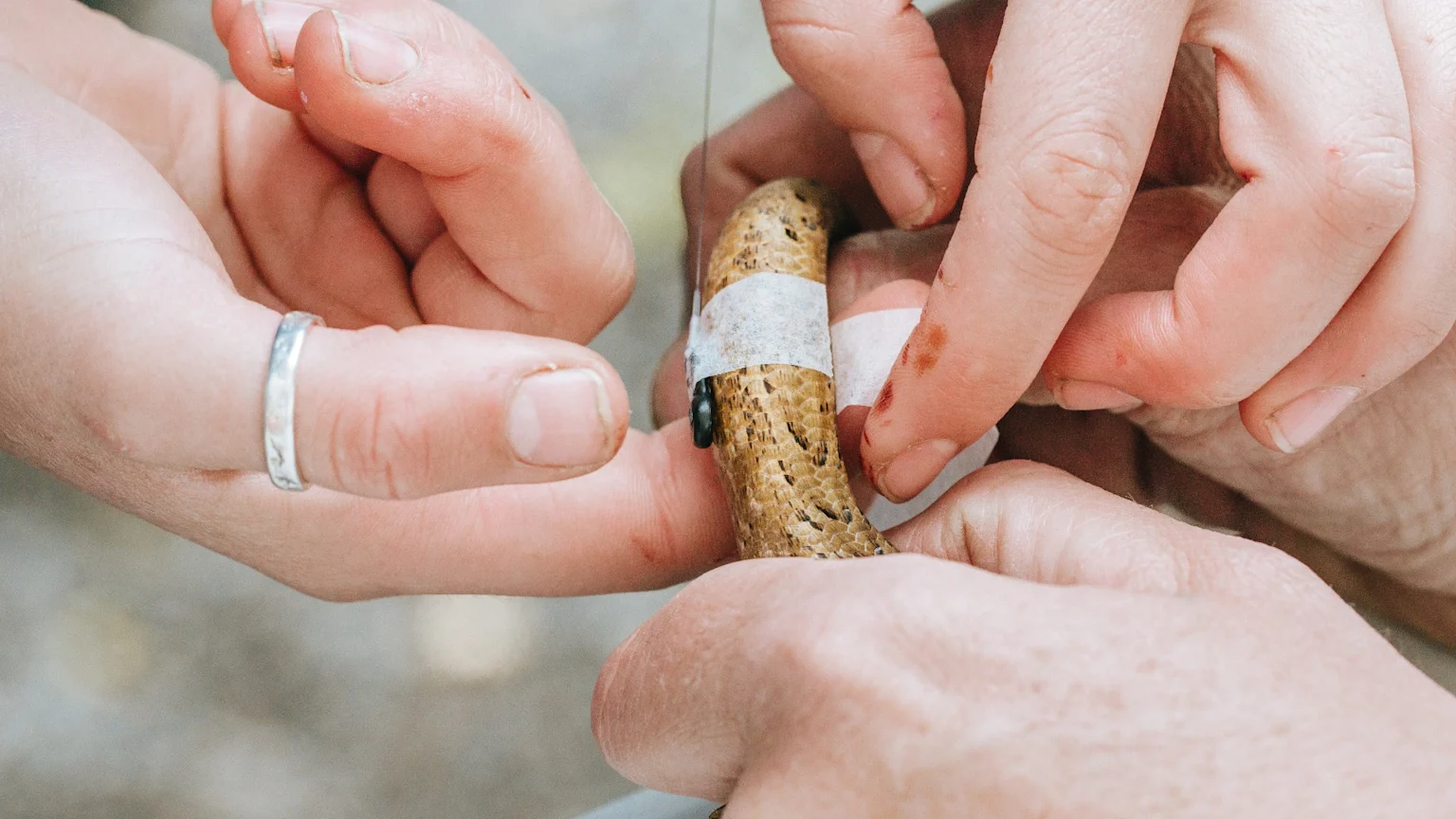
“Because the lizards are quite rare, there's not a lot of information or research on them in the wild. We have a lot of information about what they were getting up to at the zoo, but not out in the world. So the idea is that these transmitters which we glue onto their tails can track where they go, what their habits are, their behaviours, and we can learn about how we can better protect them.
“The first group of niho taniwha that got released earlier in the year came in these small bamboo tubes, and within a couple of weeks, they had left the tubes and found new homes. They like to dig near waterways and streams, and they've all found new homes along the water. So it's been quite interesting to see their behaviour.”
Photo credits: Auckland Zoo
Published by Ben Goldson
25 Nov 2026