New Zealand
‘Rabbits on steroids’: Potential Wallaby invasion sparks concern for NZ region

Published by Sophie van Soest
09 Apr 2026
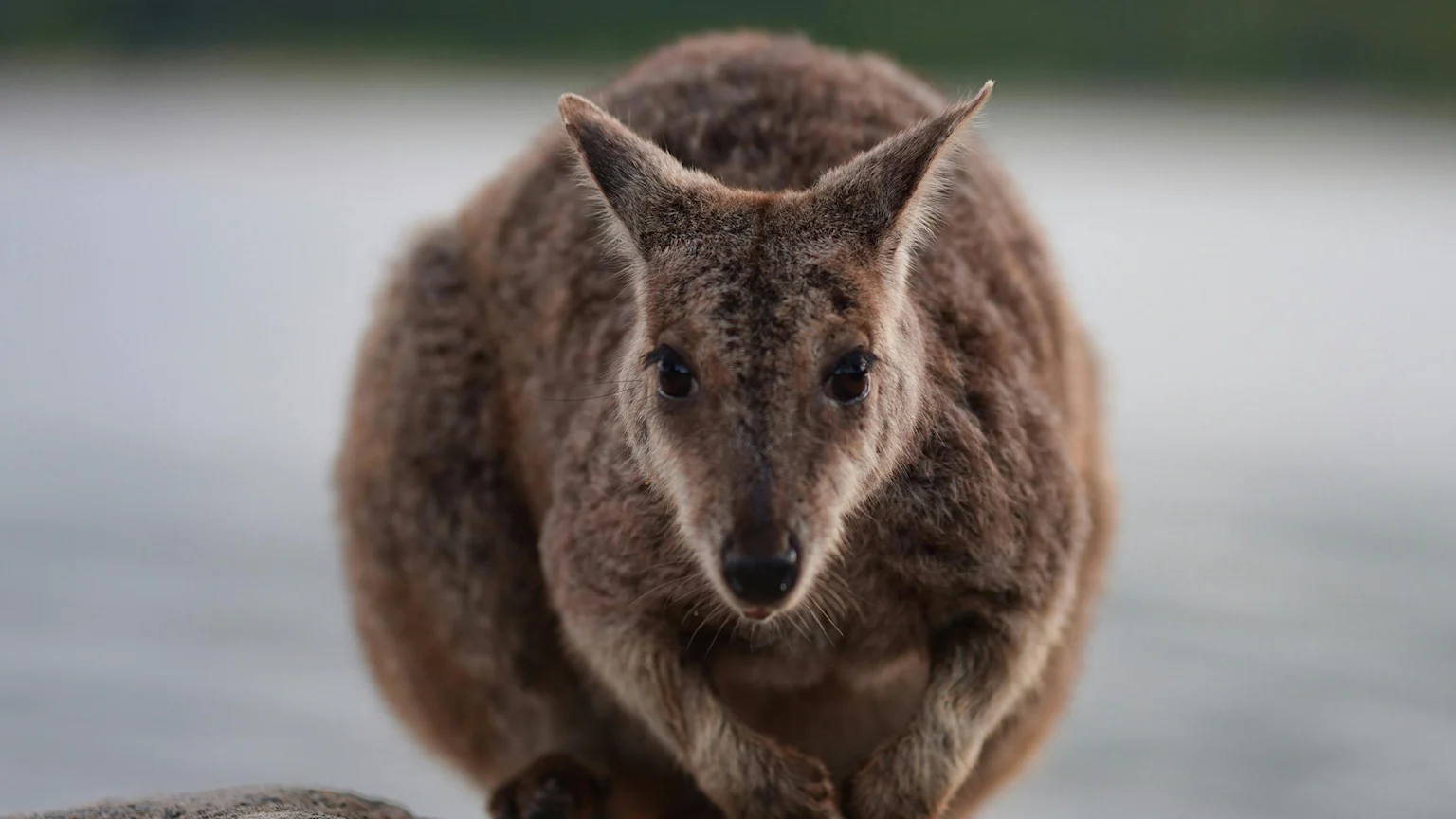
Wallabies are shaping up to be a major New Zealand pest problem - particularly for one region.
Experts are warning that if the animals continue to spread, they could cause serious damage to farmland, native bush, and waterways.
Hawke’s Bay Regional Council biosecurity adviser Will Telford has even compared the potential impact to having “rabbits on steroids”.
“They’re going to change the nature of the ground directly through burrowing and very close cropping of the grass to the point that it can become bare,” he told Hawkes Bay Today.
One of the biggest concerns is how quickly wallabies can spread - the population can gain 2 kilometres every year.
Ministry of Primary Industries reports that wallabies could result in $84 million a year in damages and occupy one-third of New Zealand by 2065 - and that cost is expected to increase annually.
Wallabies are already taking up a good amount of space in parts of the motu, including Kawau Island, the Rotorua Lakes area, South Canterbury and North Otago.
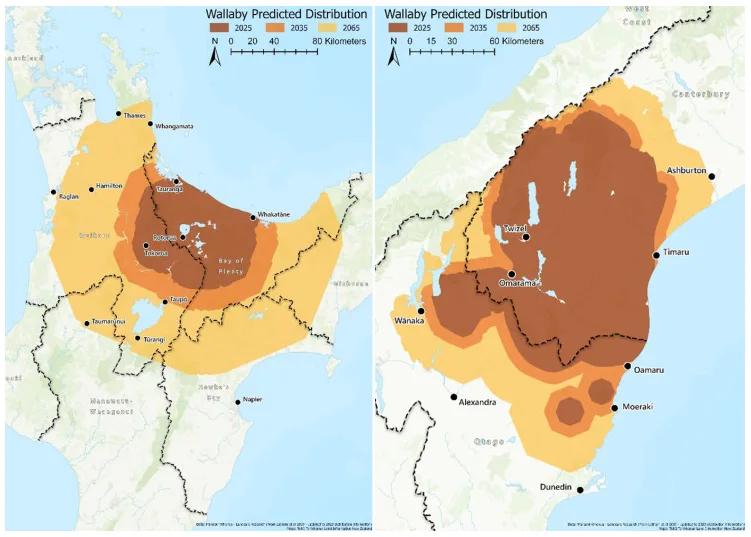
SOURCE | MPI
“Wallabies are capable of causing significant environmental damage,” the Hawkes Bay Regional Council have warned. “This includes preventing the regeneration of native bush, depletion of the forest understorey, and possible impacts on water quality.”
“They can damage tall tussock grasslands, including the inter-tussock vegetation, which can become depleted with a consequent increase in bare ground and higher risk of soil erosion.”
Telford is clear: “We don’t want them here. We don’t want them establishing here. And as soon as they step toes on our border, we want to know where it is.”
There have been a few reported sightings in Hawke’s Bay - but nothing officially confirmed (yet).
Telford says the risk of them currently establishing in the region is low, but if they do arrive, sightings need to be reported straight away.
Hunters are also being encouraged to act. If one is shot, it should be kept so samples can be taken for MPI to track where it came from, along with noting the GPS location and taking a photo.
Telford is set to speak at a Forest & Bird monthly meeting in Napier tonight, where he’ll be breaking down the pests' potential impact in the region.
Published by Sophie van Soest
09 Apr 2026