New Zealand
NZ fuel plan: What to know about who gets pump priority, and when


Published by Rebekah Hunt
27 Mar 2026
The National Fuel Plan has been fleshed out to protect New Zealand’s economy, in case fuel insecurity worsens.
It outlines four phases, similar to the alert-levels used during the pandemic. Each one includes measures that would be taken in response to ‘escalating risks’.
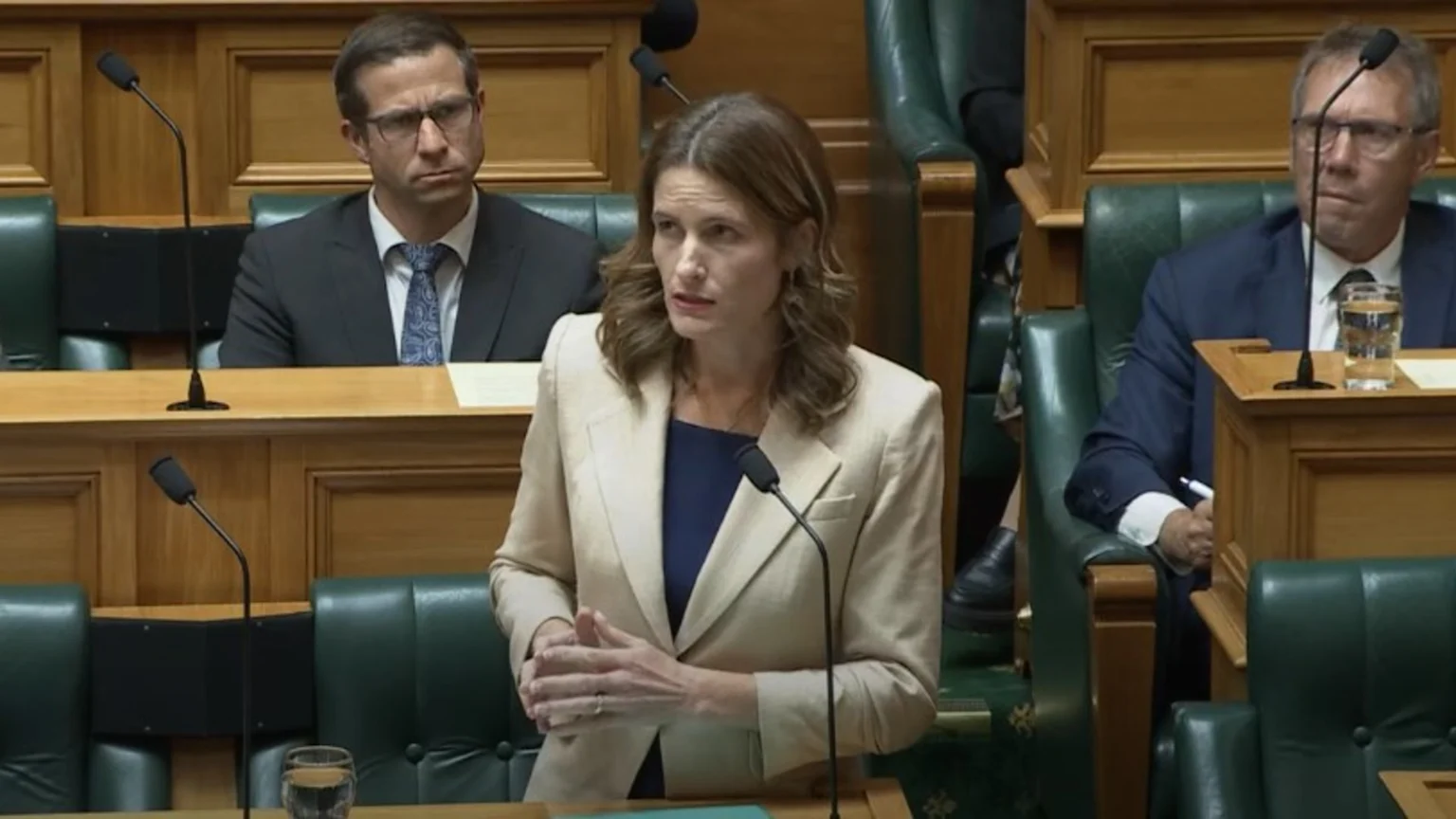
At a press conference, Finance Minister Nicola Willis said it will help minimise disruption while ensuring everybody has the fuel supplies they need.
However, it’s not a sign to start hoarding.
“Fuel importers have not reported any orders being diverted or cancelled. If that changes, we will let you and New Zealand know. Fuel companies are also sharing their forward cargo plans with our officials… as of today, companies have a good level of confidence in fuel orders out to the end of May,” she said.
Associate Energy Minister Shane Jones said he’s confident fuel importers could find new supply options if the Iran conflict drags on.
“They are regularly updating what they are in the business of contracting, what is being filled in the various Southeast Asian ports, and what's on international waters, what's in our sovereign waters.”
“We are absolutely confident in the quality of the data we are receiving from the fuel import companies,” he said.
Movement up and down the phases will be decided by the Fuel Ministerial Oversight Group, which will consider multiple criteria;
export restrictions – if any of New Zealand’s source refineries introduce or relax export restrictions
changes to New Zealand’s fuel stock levels of plus or minus three days since the most recent published update
a fuel company informs the government that they are unlikely or unable to fill future orders
a breach, or a notification of an imminent breach, of the minimum storage obligations
any significant policy changes in Australia or from the International Energy Agency
a significant disruption to regional distribution.
If one of the criteria is met, Willis expects there would be at least two working days before the call would be finalised..
“The assessment requires two things: one, we engage with industry to inform that assessment; and the second is that we have asked that officials provide us clear, deliberate advice before we go to make that assessment.”
She added it will ensure T’s are crossed and I’s dotted.
“If we made an assessment to move into a Phase 3 or 4 response, that has significant regulatory consequences for business and community… we want to make sure that process is clear, transparent, and accountable.”
The phases on paper
As of Friday 27th, New Zealand is in Phase 1. It means the Government is monitoring global developments, easing restrictions (such as fuel specifications), while asking consumers to voluntarily reduce usage. Fuel supply updates are being published by the Ministry of Business, Innovation and Employment twice-weekly.
At Phase 2, there would be more coordination between key industry players to distribute fuel as effectively as possible. More use of public transport - and carpooling - could be promoted.
For Phase 3, the Government would work with companies to make sure fuel is directed as needed;
To life-supporting services: Such as emergency services, courts, prisons, hospitals, lifeline utilities, and essential defense functions.
Economically important services: Such as road freight for supermarket and grocery supply chains, international air links, food supply, and primary production.
Essential services: Such as public transport, essential infrastructure maintenance, rural GPs, district nurses.
“It could also be necessary to introduce temporary purchase limits, to help keep fuel available for everyone. This step would be regulated by the government but implemented by industry. That is because the industry knows their customers and supply and delivery structures best,” Willis said.
Phase 4 is reserved for severe and sustained disruption that affects fuel supply. Measures would be lifted as quickly as possible, but Willis anticipates it won’t be needed.
“We expect almost all situations will be managed at Phases 1 or 2, with Phases 3 and
4 used only if absolutely necessary.”
But, if implemented, the phase would bring daily supply updates, and stricter allocation of supply.
Both Phase 3 and 4 are under consultation.
The driving to work debate
Minister Willis previously told rova it’s up to employers and employees to discuss whether it’s practical to work from home, to save fuel.
But in the press conference, she said she will draw the line at children missing school.
“We think maintaining access to schools through all of these phases is essential, and the Ministry of Education are working actively on plans to ensure that.”
She added a repeat of the pandemic must be avoided:
“This generation have already had years of learning disrupted by the COVID experience that had a marked impact on their achievement, and we will be taking every step necessary to keep kids learning in the classroom.”
Home support workers were also brought up, as they drive their own cars to reach patients around the country. The line is less clear;
“We would consider them one of the priority groups for fuel in phases 3 and 4,” said the Minister.
“In terms of the increased costs that they are facing - and may face into the future as a result of the price shock - that is something the Minister of Health is looking at - and that we are considering advice on.”
The reply prompted Public Service Association Te Pūkenga Here Tikanga Mahi members to issue a call for the Government to ‘stop talking and start acting’. The union claims the mileage allowance for 23,000 essential home support workers has been frozen for four years.
"This is urgent. If the Government wants to keep home support services running at this time of crisis, the answer is simple: fund these workers properly and quickly," said Fleur Fitzsimons, National Secretary.
“They are overwhelmingly women, many work part-time and many do not have dependents so missed out on the changes to Working Families announced this week.”
Published by Rebekah Hunt
27 Mar 2026