New Zealand
New figures paint a bleak picture of child poverty
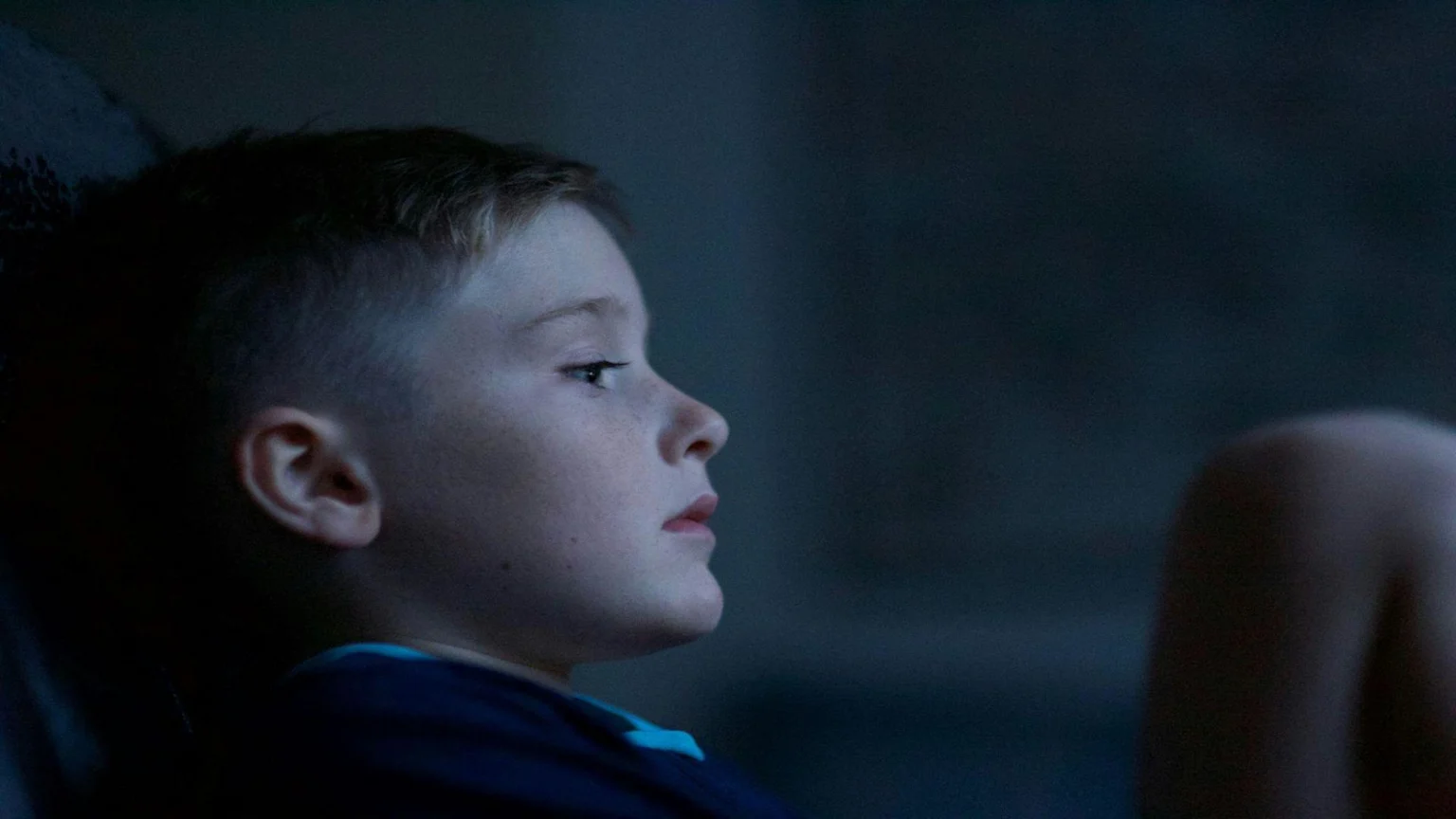
The latest child poverty statistics from Stats NZ show approximately one in seven children were experiencing material hardship in the year ending June 2025. The rate was even higher for disabled and tamariki Māori, at one in four, while nearly a third of Pacific children were in the same boat.
Material hardship is a non-income based measure of poverty. For a household to qualify, it must lack seven or more of 18 items in the MH-18 index. Some examples include being unable to afford a computer or internet at home, or pay an unexpected $500 expense without borrowing.
In a press release, Children’s Commissioner Claire Achmed said behind the numbers are children going without the basics:
“Children are going hungry and sick because of poverty, growing up without the security every child needs. We’re talking about 169,300 children living in material hardship – that’s enough to fill Eden Park more than three times.”
Other groups, like Save the Children, have echoed her concern.
Stats NZ reports a reduction in two of primary measures since the year ending June 2018.
The percentage of children living in low-income households before and after deducting housing costs for the base financial year dropped more than 10% each.
There was also little change seen in material hardship annually.
In a statement, Child Poverty Reduction Minister Louise Upston said today's stats were expected.
“Our Government is taking action to reduce child poverty by fixing the basics and building the future. Reducing child material hardship is a particular focus of mine as Minister and it is a priority in our Government’s Child and Youth strategy,” she added.
She said the Government has “increased the in-work tax credit, liftedthe threshold for Working for Families, provided working families with tax relief, reduced inflation and introduced FamilyBoost to make childcare more affordable.”
However, the Child Poverty Action Group (CPAG) suggested the result is overshadowed by material hardship nearing a ten-year peak, and falling short of a major goal.
In 2018, the Child Poverty Reduction Act introduced a target to reduce material hardship rates among children to 6% by 2028.
CPAG research and programme officer Harry Yu Shi told rova New Zealand has backtracked, as Thursday’s result shows a rate of more than double (14.3%).
“Perhaps a silver lining is that this is a sort of early warning or perhaps another warning to the New Zealand public and policy makers about how the status quo isn’t working and isn’t functional.”
His suggested solution is to have a robust social welfare system and ensure both New Zealand’s income support and minimum wage are set at a livable standard.
Yu Shi said CPAG has been continually liaising and making similar recommendations, hoping the Government will reconsider how money is spent on the issue.
“Because of the Government’s focus on cost-saving directives, we are concerned that there is not enough money in the government budget to make any meaningful spendings or initiatives to meet our child poverty reduction targets by 2028.”
At a press conference, Prime Minister Christopher Luxon was asked for his thoughts.
He said his initial impression was that “it’s stable” but there’s more to do.
“I'm just not wanting to accept that that's a good outcome at all. We want to see a reduction in child poverty.”
Luxon promised the Government is working “incredibly hard” to grow the economy and address the effects of child poverty.
"Get the spending down, get inflation down, get interest rates down, get the economy growing so that we can actually get people into jobs. When people have jobs and families have jobs, that's what actually lifts them out of poverty," he said.
"We are starting to come into the recovery, which is good news."