New Zealand
NCEA scrapped: What the new level system and awards mean for Kiwi students


Published by Rebekah Hunt
26 Mar 2026
It’s full steam ahead on replacing NCEA in schools. The government has agreed on a new qualification system with two levels instead of three, to be completed in Years 12 and 13.
Level 1 will be scrapped completely in 2028, replaced by the ‘Foundational Award’, a stand-alone assessment. A new qualification will be introduced for Year 12 students in 2029 and Year 13 in 2030.
Education Minister Erica Stanford announced it has been designed as a stepping stone.
“Students will be able to sit the Foundational Award when they demonstrate the required literacy and numeracy capability, typically at Year 11 level.”
“The basics matter. This award is a strong indicator of readiness to engage with the Year 12 and Year 13 qualification and basic competency in reading, writing and maths,” she added.
The move means there will be no exam leave at the beginning of Term Four for Year 11 students in 2028, while Years 12 and 13 will be assessed on ‘whole-curriculum’ and industry-led subjects in the following years.
“Whether a student is heading to university, into the trades or straight into the workforce, the pathway should be equally valued, and this is something that has always been important to us,” Stanford said.
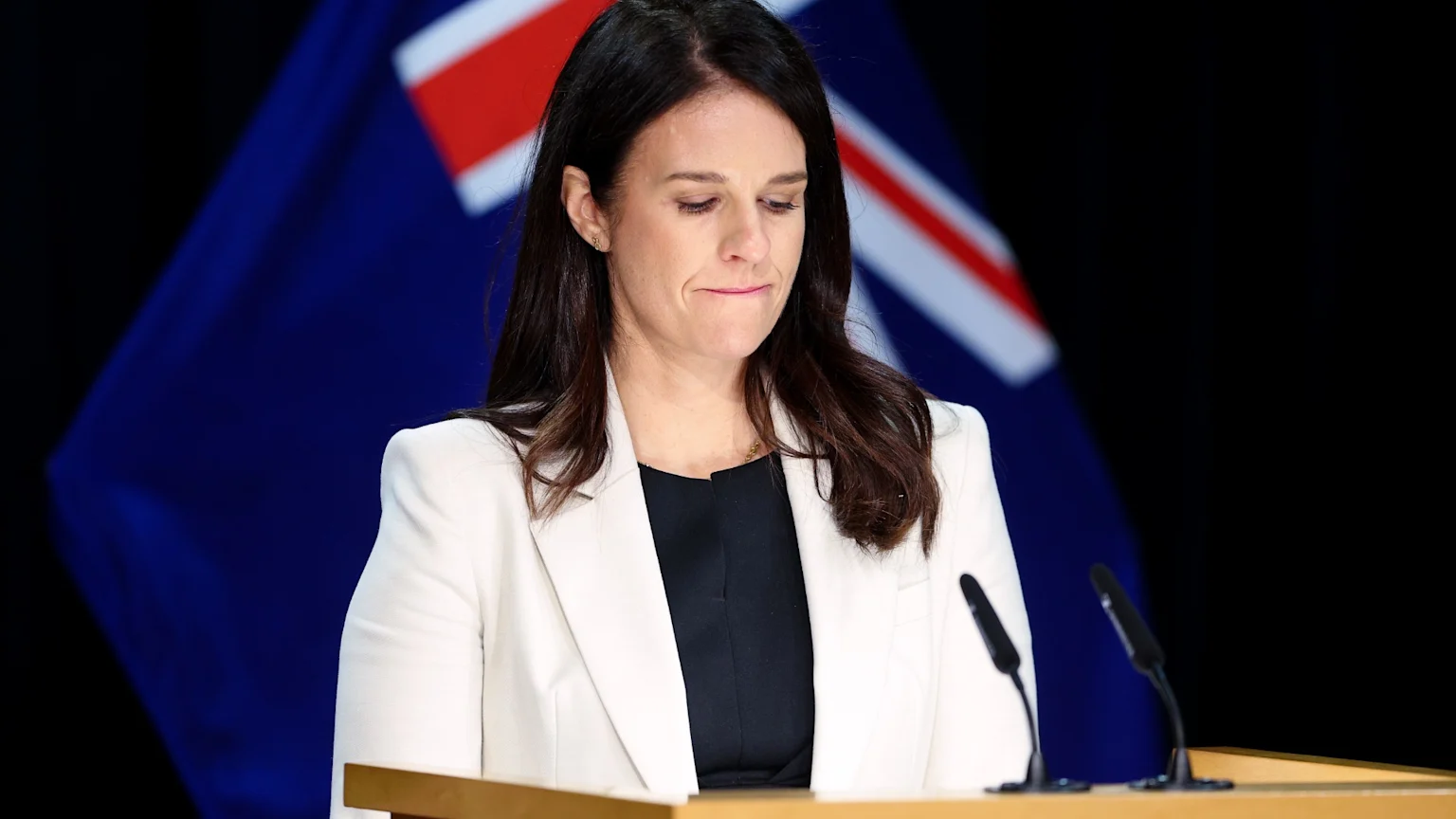
Stanford suggested that in the existing system, students are too often able to gain piecemeal credits without developing the necessary skills.
“We asked teachers, parents and the community what they thought about replacing NCEA and, with more than 10,000 people having their say, there was strong support for structural change to the qualifications, particularly around NCEA Level 1.”
This is the first tranche of the redesign. Tranche two includes achievement requirements for Years 12 and 13, information about grading, weighting of exams and ‘complex decisions’.
English and maths would be compulsory for Year 11, and the Minister also plans to consult further on making science compulsory too.
Stanford added that Governments of all stripes and colours have been grappling with the current system for a long time.
“Future governments will no doubt consult and potentially make some tweaks, but I expect this to be something that lasts.
“I've got the best principals from around New Zealand working on this, the best technical advisory group, and we have done some really good consultation,” she said.
PPTA union unimpressed
Post Primary Teachers Association President, Chris Abercrombie, has responded to the Minister’s announcement, labelling the lack of detail worrying.
“There was nothing in the Minister’s announcement today that we really didn’t know already – we were expecting an analysis of the consultation process on the changes, and what the new system would look like,” said Abercombie.
“The fact that we didn’t receive any details about, for example, how the new system will work, how it will align with the new curriculum, how students will transition to the new system, how the vocational pathway will be developed, or how University Entrance will fit in, is deeply concerning,” he added.
Timeline
2026: Finalise senior secondary curriculum and develop assessment exemplars. Finalise qualification design.
2027: Preparatory year of assessment and PLD.
2028: NCEA Level 1 removed, Year 11 curriculum only, Foundational Award introduced.
2029: New Year 12 qualification and curriculum starts.
2030: New Year 13 qualification and curriculum starts.
A national roadshow for secondary school leaders will begin in June, to help schools prepare for the rollout.
Published by Rebekah Hunt
26 Mar 2026