New Zealand
Native butterfly and moth species now on the brink of extinction

Published by Rebekah Hunt
29 Apr 2026
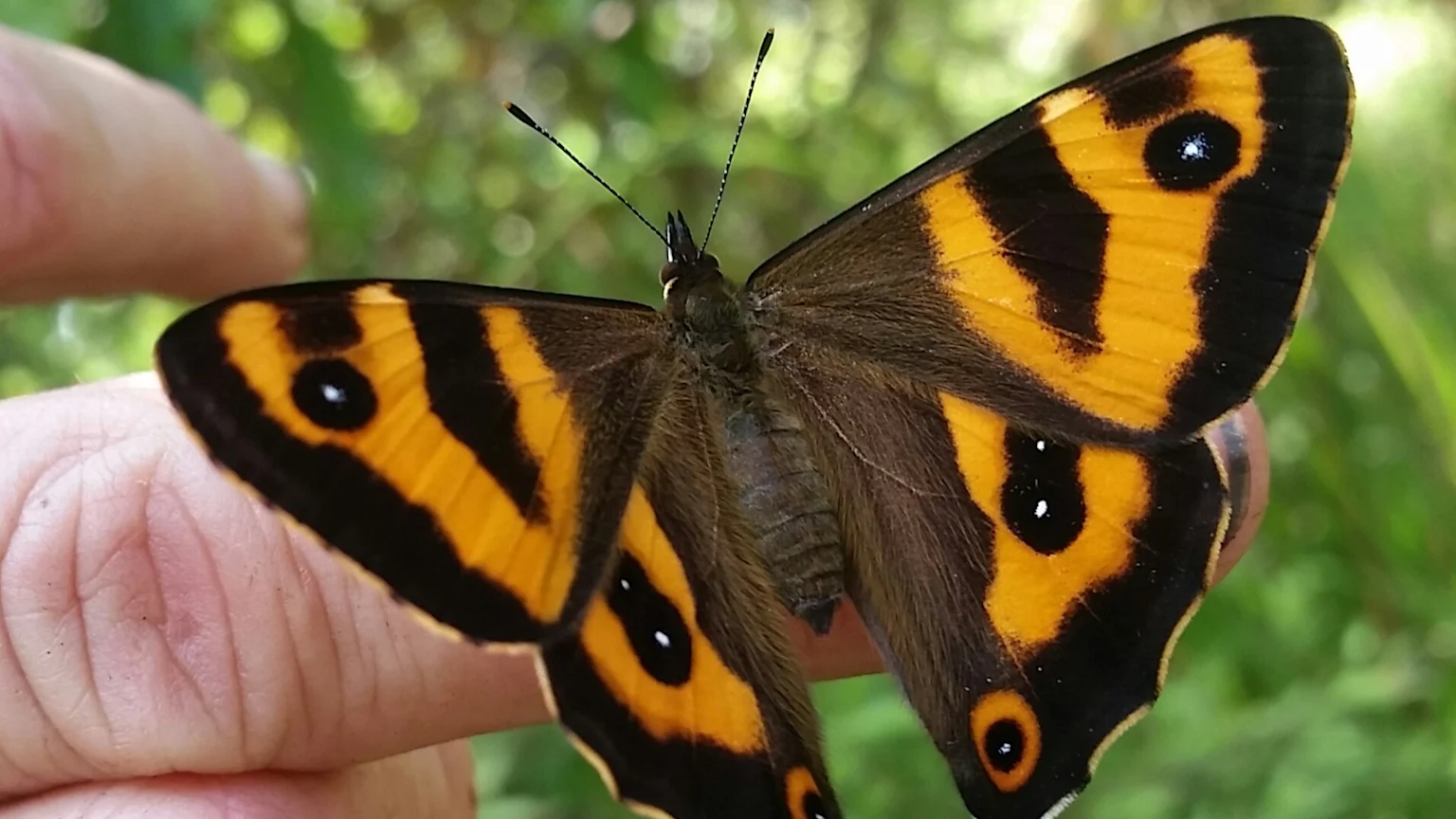
A new report by the Department of Conservation (DOC) highlights a widespread decline in Lepidoptera, better known as moths and butterflies.
Of the 498 assessed by an independent panel of experts, 35 have deteriorated in conservation status since 2015. Six of those have been re-classified as Threatened - Nationally Critical, hovering above extinction.
One, the elusive Dasyuris octansmoth, hasn’t been seen since 1988.
Panel member and DOC Senior Science Advisor Eric Edwards told rova that invasive predators are among the biggest pressures Lepidoptera face.
“Wasps are eating moth and butterfly caterpillars. More research is needed to better understand the seriousness of wasps and other invasive predators like mice"
In more naturally open areas, particularly the eastern South Island, native moth habitats are being outcompeted by exotic grasses, broom and wilding pines.
Edwards said there’s clear historic evidence of populations shrinking.
"The 60-year record shows an 82 per cent decline of moths across two Canterbury sites, between 1961 and 2021.”
"Unfortunately, this trend is likely to be ongoing in many other parts of New Zealand and around the world," he added.
The panel was able to improve the status of 19 species. Edwards explained it’s both good and bad news, depending on how you approach it.
“It’s not an actual improvement in the population status for those species, but it is an improvement in the knowledge… we understand more about how to care for them, we understand more about which species are a priority to save.”
The public is urged to take up citizen science by recording and uploading images to the iNaturalist app. It helps track populations, so conservationists can plan restoration work.
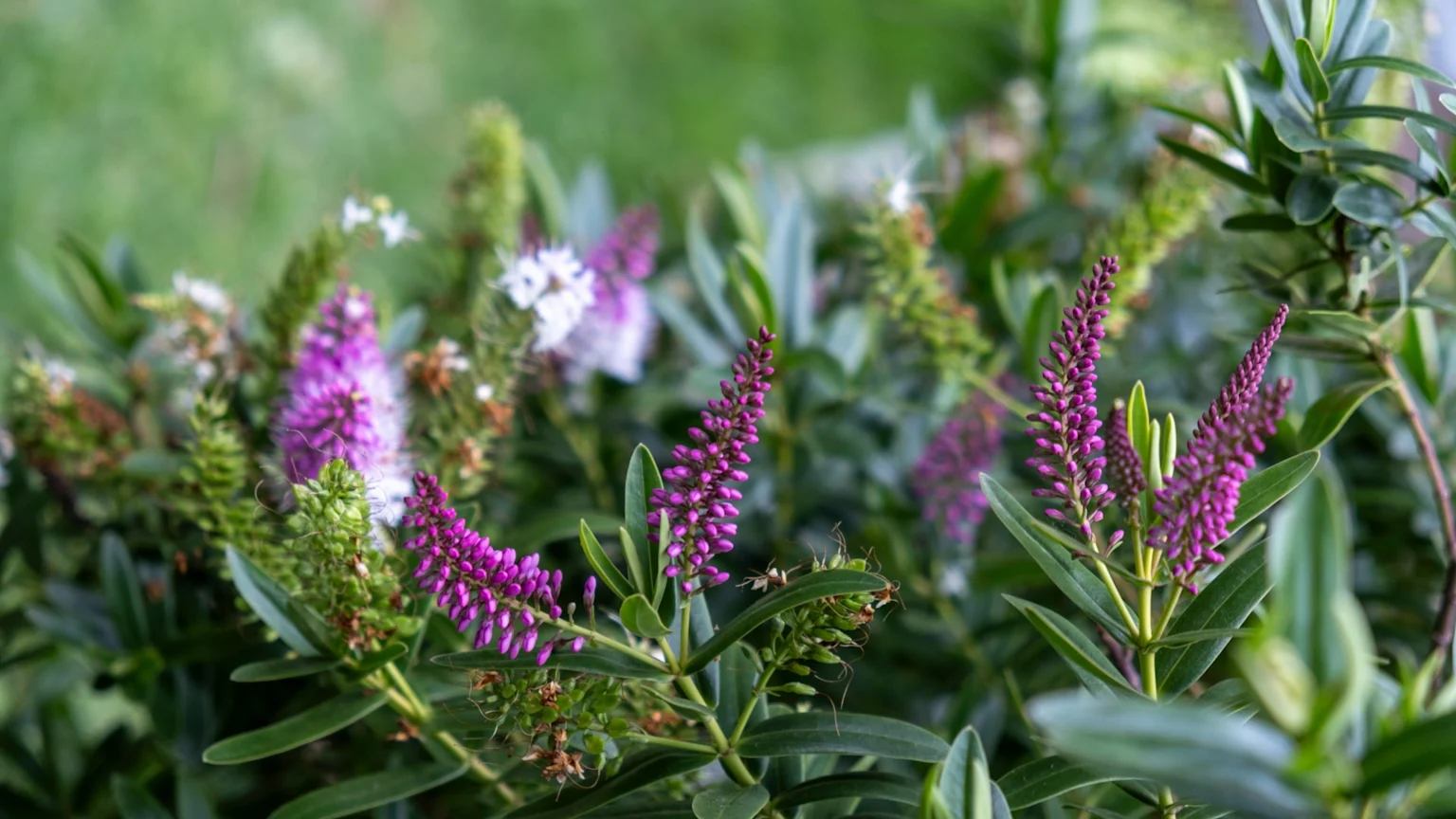
Edwards said planting nectar species as food is also a good grass-roots approach.
“If you’re thinking of what you see during the daytime (butterflies particularly), then there’re all kinds of hebes that you can get from a garden center.”
The decline is one to take seriously, as Lepidoptera act as pollinators, eat plants as caterpillars, and play a role in the food chain.
“Though this report is a stark reminder of biodiversity decline in New Zealand, it tells us about the job to do and that enables and it’s empowering, and so we can all get behind that,” said Edwards.
He stressed that the insects form a ‘neat’ part of the system.
“Every caterpillar has the host plants that it loves to eat, and there’s a caterpillar for almost every kind of plant in New Zealand. When you understand how moths and butterflies function, then you understand a lot about how nature functions - that’s the wonder of nature.”
New Zealand has close to 2,000 native species, including the frosted phoenix moth which was rediscovered in 2024.
Since then, several sightings have been reported in Rakiura, Little Barrier Island and Pureora Forest Park, tracked by ultraviolet LED technology.
Photo credit: Catherine Beard (Provided by DOC)
Published by Rebekah Hunt
29 Apr 2026