Celebrities
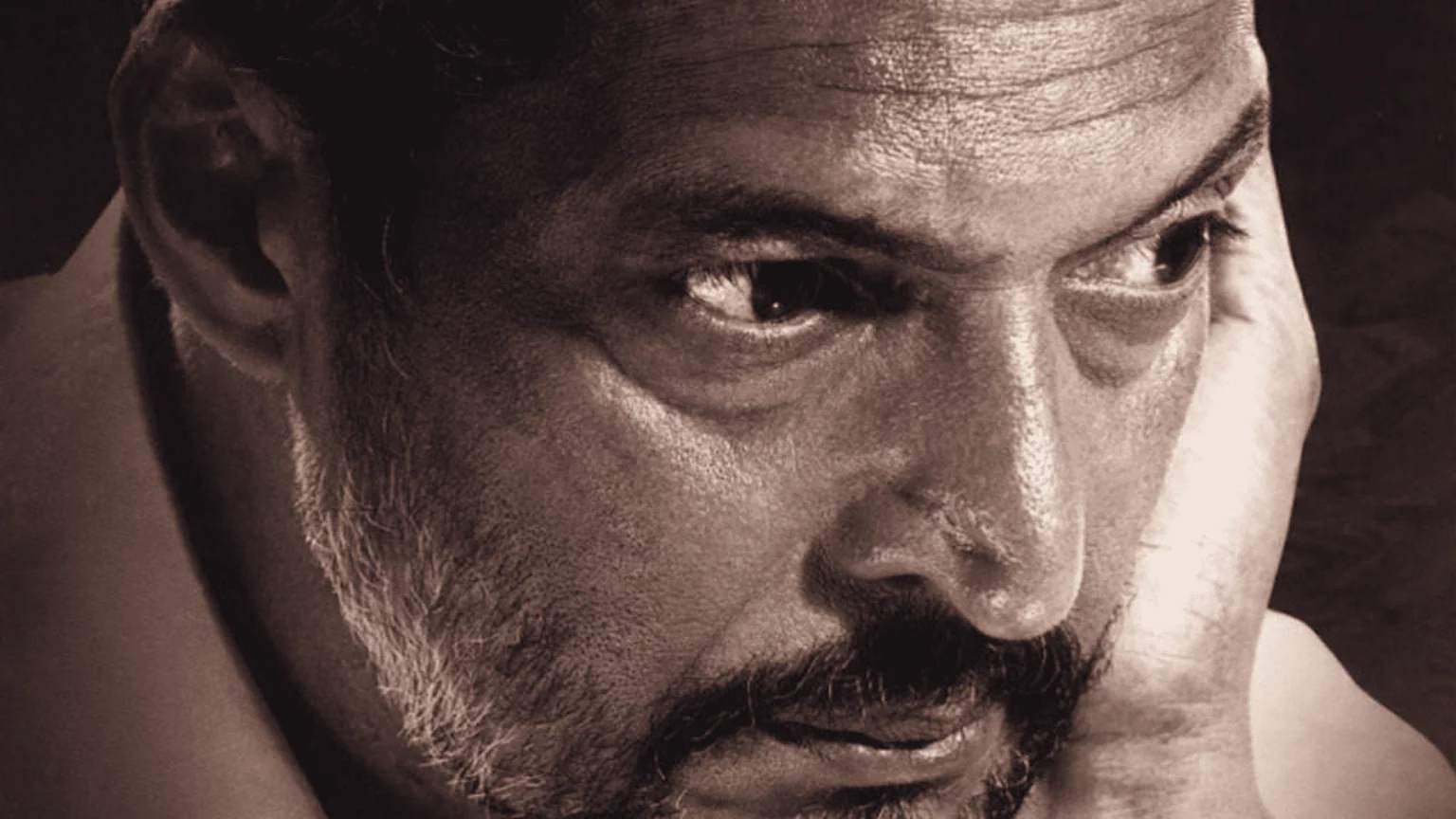
Nana Patekar: The Voice, The Rage, The Humanity
Published by Sandy Sekhon
08 Oct 2026
Indian cinema has lost one of its most distinctive voices. Veteran actor Nana Patekar died at the age of 75 in Goa on October 8, 2026, after suffering a cardiac arrest at his residence. He was found unconscious and was taken to hospital, where doctors attempted to revive him for around 45 minutes. A post-mortem was ordered as part of the medico-legal procedure, with reports noting that the exact cause would be clarified through the examination.
For almost five decades, Nana Patekar was never the conventional Bollywood hero. He didn't fit the traditional mould of the handsome leading man. Instead, he built his legacy through intensity, raw emotion, unconventional characters and a voice that could command an entire scene.
From theatre to Hindi and Marathi cinema, Patekar created a screen persona that was unmistakably his own. He made his film debut with Gaman in 1978 and went on to deliver memorable performances in films including Ankush, Parinda, Krantiveer, Tirangaa, Agni Sakshi, Ab Tak Chhappan, Apaharan, Taxi No. 9211 and Welcome.
His performance in Parinda earned him his first National Film Award, while Krantiveer brought him the National Film Award for Best Actor. The official National Film Awards citation praised his portrayal of a man who lived life on his own terms and could awaken the hidden strength within the common person.
He eventually won three National Film Awards, along with multiple Filmfare honours, and was awarded the Padma Shri in 2013 for his contribution to cinema and the arts.
But Nana Patekar's legacy wasn't restricted to intense dramas.
For an entirely different generation of moviegoers, he became unforgettable as Uday Shetty in Welcome — an eccentric, short-tempered gangster whose comic timing became as iconic as his serious performances. It was proof that Patekar could move effortlessly between rage, tragedy, humour and vulnerability.
He was also a filmmaker, directing Prahaar: The Final Attack in 1991, while his association with theatre remained an important part of his artistic identity. Beyond cinema, he was involved in social causes and was associated with the Territorial Army, where he held the honorary rank of Lieutenant Colonel.
What made Nana Patekar different was his honesty on screen. His anger didn't feel manufactured. His silences carried weight. His dialogue delivery could turn an ordinary line into a memorable moment.
He was equally comfortable playing a policeman, soldier, gangster, troubled common man or comic character. He wasn't afraid of imperfect, complicated or morally grey characters — and perhaps that is why audiences believed him.
His performances were often less about glamour and more about humanity.
And in a striking reflection on his own life, Patekar once spoke about how an actor can spend so much of his life living through characters that he forgets to live for himself.
"Humari zindagi udhar ki hai na" — our life belongs to others, doesn't it?
He spoke about never really finding the time to live his own life. For an actor, he said, one character is replaced by another, while the applause becomes an addiction. Eventually, he said, when that applause stops, the actor is no longer cast or remembered in the same way.
Those words feel particularly poignant today.
Because Nana Patekar may have spent his life portraying other people, but he created something that belonged entirely to him, a style, a voice and a presence that could not be copied.
The unconventional hero has left the screen.
But the voice remains.
Published by Sandy Sekhon
08 Oct 2026