Sport
What Moana Pasifika’s licence decision means for Super Rugby Pacific in 2027

Published by Sophie van Soest
24 Jun 2026
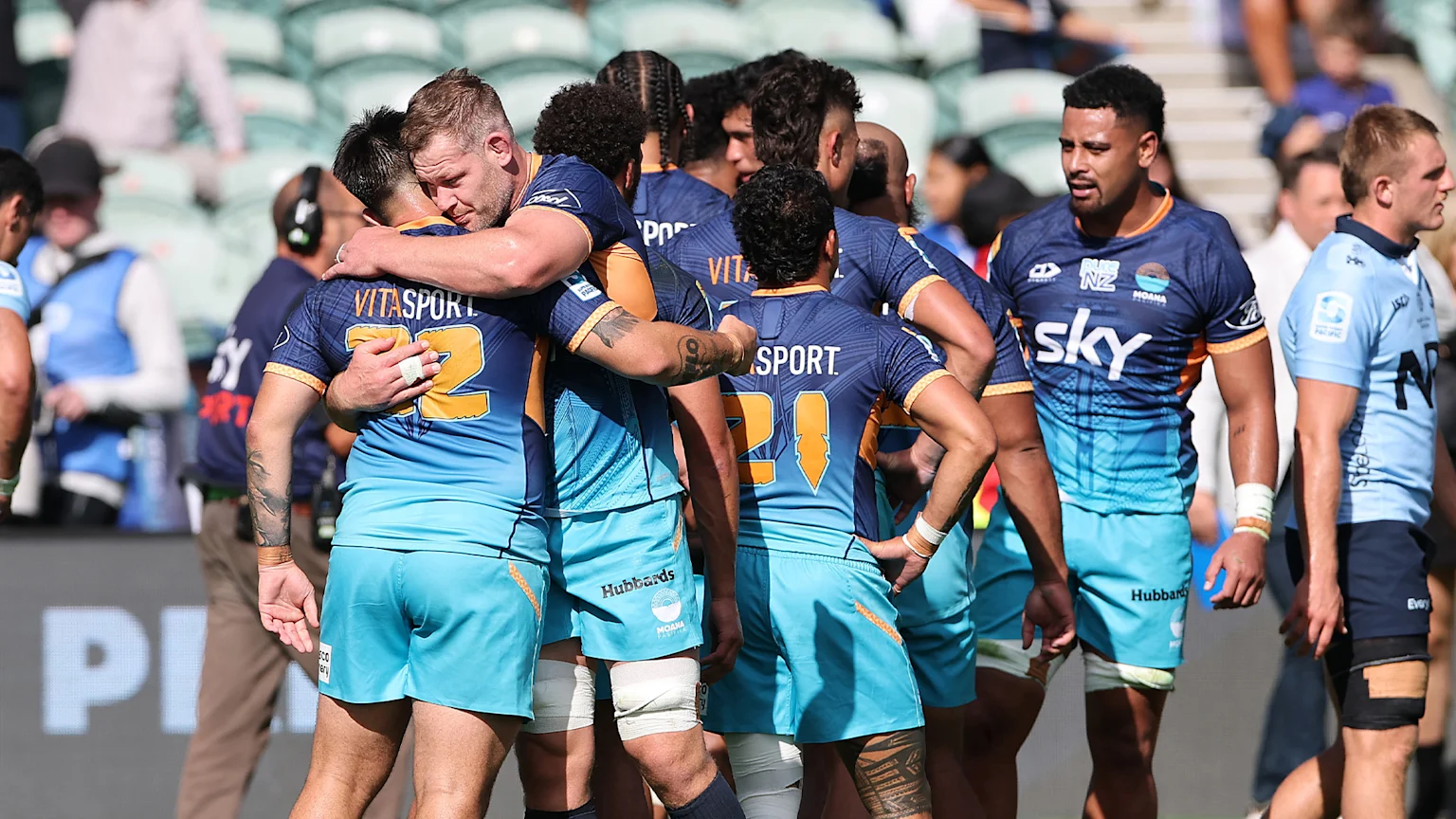
New Zealand Rugby has confirmed it won’t be transferring Moana Pasifika’s licence to any new party, meaning Super Rugby Pacific will shift to a 10-team competition from 2027.
In a statement, NZR said it had looked at “every possibility” and spoken with several interested parties, even extending the 15 May deadline multiple times. However, none were able to meet the financial and business requirements needed to secure the licence.
NZR Chief Financial Officer Chris Kinraid said the decision was made “in the best interests of the competition” and to provide certainty for stakeholders.
Super Rugby Pacific acknowledged NZR’s decision not to approve the transfer of Moana Pasifika’s participation licence, saying: “We recognise this outcome is disappointing for everyone connected with the club, including players, coaches, staff, supporters, partners and stakeholders,” it said.
“Since joining Super Rugby Pacific in 2022, Moana Pasifika has made a significant contribution to the fabric of our competition, and we extend our gratitude to everyone who played a part in that journey.”
“There can be no doubt the Pasifika community has been a fundamental part of our competition for the last 30 years, and our commitment to recognising and celebrating that community remains.”
'Door remains open beyond 2027'
While disappointed with the outcome, NZR said it still sees potential for future opportunities.
“We want to be clear, the door remains open beyond 2027. We firmly believe a team can be based in the Pacific Islands and that a sustainable long-term solution can be found in the future,” Kinraid said.
“We remain open and willing to engage with anyone who can meet the financial and commercial requirements.”
He also acknowledged engagement from Minister Winston Peters around rugby’s importance in the Pacific.
“This has been a difficult time for the Moana Pasifika players, management and fans, and the communities that supported them,” he said.
“A lot of hard work has gone into looking at all possibilities for next season. Unfortunately, the long-term financial requirements to participate in the competition could not be met.”
Peters said following the announcement, “Less than a month ago, we were approached by a number of parties and rugby lovers seeking our support to put Moana Pasifika on a financially sustainable footing. It would have been helpful if Moana Pasifika had come to us earlier about their financial situation.”
“Achieving a result in three weeks to facilitate Moana Pasifika being part of the 2027 season was always going to be a bridge too far. We had hoped NZ Rugby would grant us more time.”
Financial requirements needed to secure the licence
NZR said any party seeking the licence needed to demonstrate both a credible long-term business plan and sufficient committed capital to cover establishment costs, short-term operations, and financial risk.
“A competitive and sustainable team needs commercial revenue of more than NZ$10 million, in addition to broadcast revenue, and at least NZ$15 million in committed capital to support its business plan and maintain appropriate cash reserves,” Kinraid said.
He added there had also been interest in potential expansion beyond 2027, which NZR views as a positive sign for the competition’s growth.
However, he clarified the licence was specifically for a Moana Pasifika pathway team representing Tonga and Samoa, not a new franchise or entry into a new market.
“Any future expansion of Super Rugby Pacific would need to be considered in partnership with Rugby Australia, Super Rugby Pacific and as part of a broader competition strategy,” he said.
Super Rugby Pacific is expected to confirm what the 2027 competition will look like in the coming weeks.
Published by Sophie van Soest
24 Jun 2026