Music
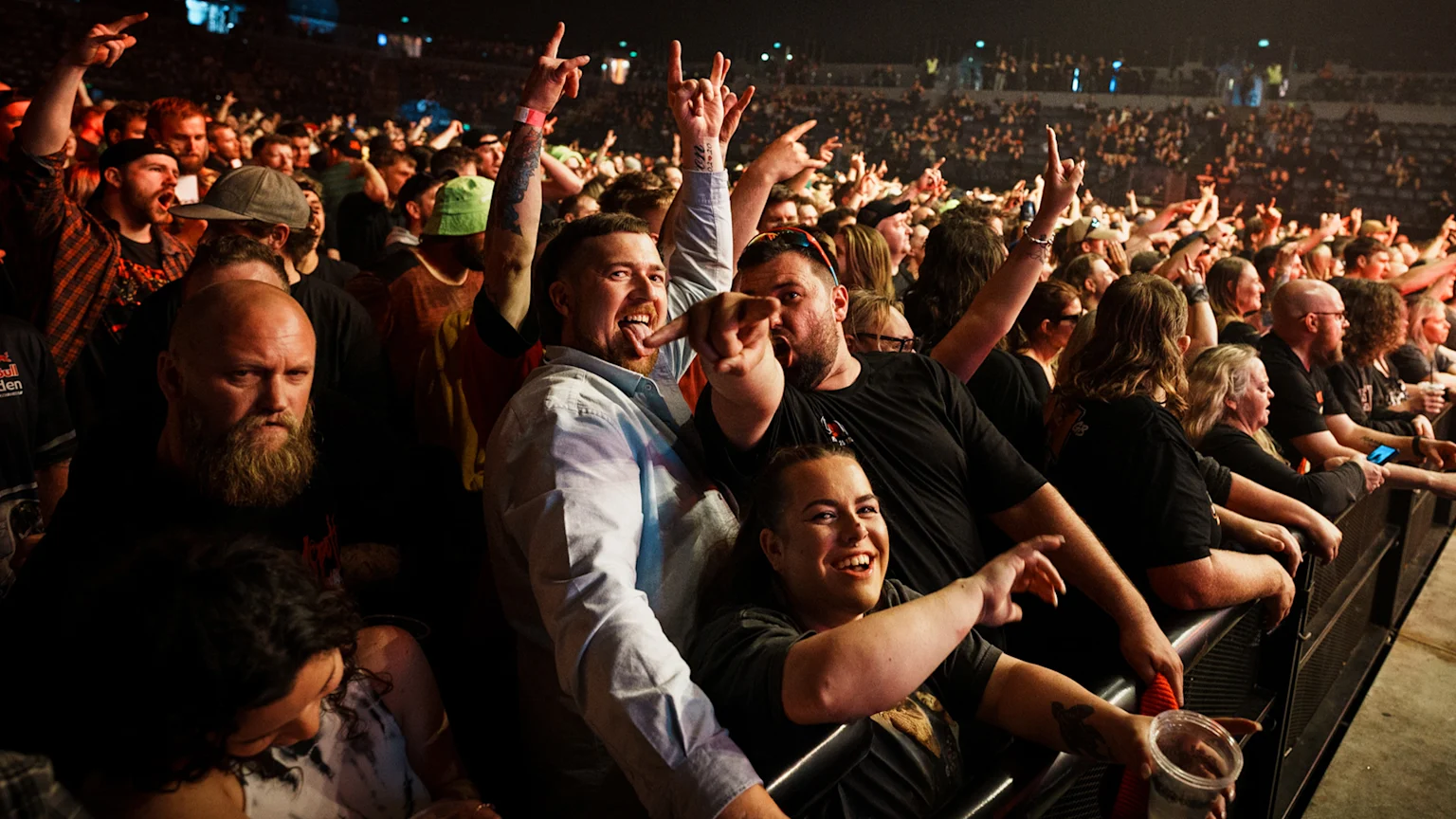
Research finds metal fans ‘think more logically’ amongst other benefits

Published by Maia Williamson
29 May 2026
Good news - turns out being an outcast comes with some massive mental health perks.
Hammer Magazine dug into the psychology of metal fans, speaking to content creator and practising therapist Robyn Ward, aka ‘The Metal Therapist’, who shared insights into the benefits of metal.
While it’s already been proven that 80s metalhead kids are now well-adjusted adults, it’s also been confirmed that metal fans aren’t just ‘angry blokes in a black shirt’, but actually more complex thinkers.
Ward reckons that falling head over heels for heavy music usually triggers during adolescence. She believes your age determines whether you embrace it or dismiss it, as the intensity of the music perfectly mirrors teenage emotional development.
"When you’re finding your identity... You’re coming into your own a lot more, so you become a lot more independent from your family," Ward explains.
And once people are in, they usually stay in. Not just because it slaps, but because the community sticks.
Ward confirms it’s “not just the music” but the community that actually understands what it’s like to struggle.
“We are the outcasts!”
For people not so accepted within mainstream media and music, there is “a level of compassion” that helps “people feel a sense of belonging”.
Hammer also highlighted research showing metal can actually reduce stress by lowering cortisol levels.
New York Psychologist Dr Nicole Andreoli, PhD, argued that metal fans tend to think “more logically and in more complex terms.”
Music to every metal fan's ears.
Ward, who has ADHD herself, also notes that metal can be especially comforting for neurodivergent people and those dealing with mental health struggles, because of the genre’s complex and layered nature.
It satisfies those who “seek dopamine more than a typical person”.
The scene does suffer from intense division and elitism thanks to a million different micro-genres, but Ward reckons it comes from a weirdly wholesome place.
She describes it as a “protectiveness over this thing that has made them feel so seen and a fear of it becoming a bit more like the mainstream."
Alongside the gatekeeping nature of the scene, it is a historically male-dominated space, with traditional expectations of manhood. It is, though, seeing a shift.
Metal is now giving women a space to process “more typically masculine feelings like anger and aggression”.
Ward notes it allows women to smash stereotypes and be “taken a bit more seriously”.
"Metal has not been perfect, but it is still a scene that has allowed me to experiment and not feel judged for that," Ward says.
Honestly, not bad for a bunch of people your aunty still thinks worship Satan.
Published by Maia Williamson
29 May 2026