New Zealand
'It’s ghostly': Council tackles Airbnb infestation


Published by Aleksandra Bogdanova
14 May 2026
Motel owners, the hospitality industry and central Christchurch residents have said they’re tired of Airbnbs popping up around the CBD. With many describing a ‘ghostly’ energy to the streets.
Heathcote Ward Councillor Nathaniel Herz-Jardine brought these concerns to a board meeting. He told rova people are concerned that when the houses are left empty, there’s a lack of community being fostered in the city.
“The issue is we’ve been trying to rebuild the inner city since about 2016, which is also coincidentally when Airbnb started getting really big,” he explained.
“What we’re finding is that pretty much no matter how many houses we build, we don’t really end up with many more residents because they’re all just being turned into short-stay accommodation.”
Citing numbers from 2025, Herz-Jardine claimed that of the 484 new homes built in the town center, council only recorded an increase of 50 new residents.
“There are so many homes being used for Airbnb that it’s almost impossible for us to increase the population. We have a goal of, by 2028, we want there to be 20,000 people living in the inner city. We’re still 10,000 people away…”
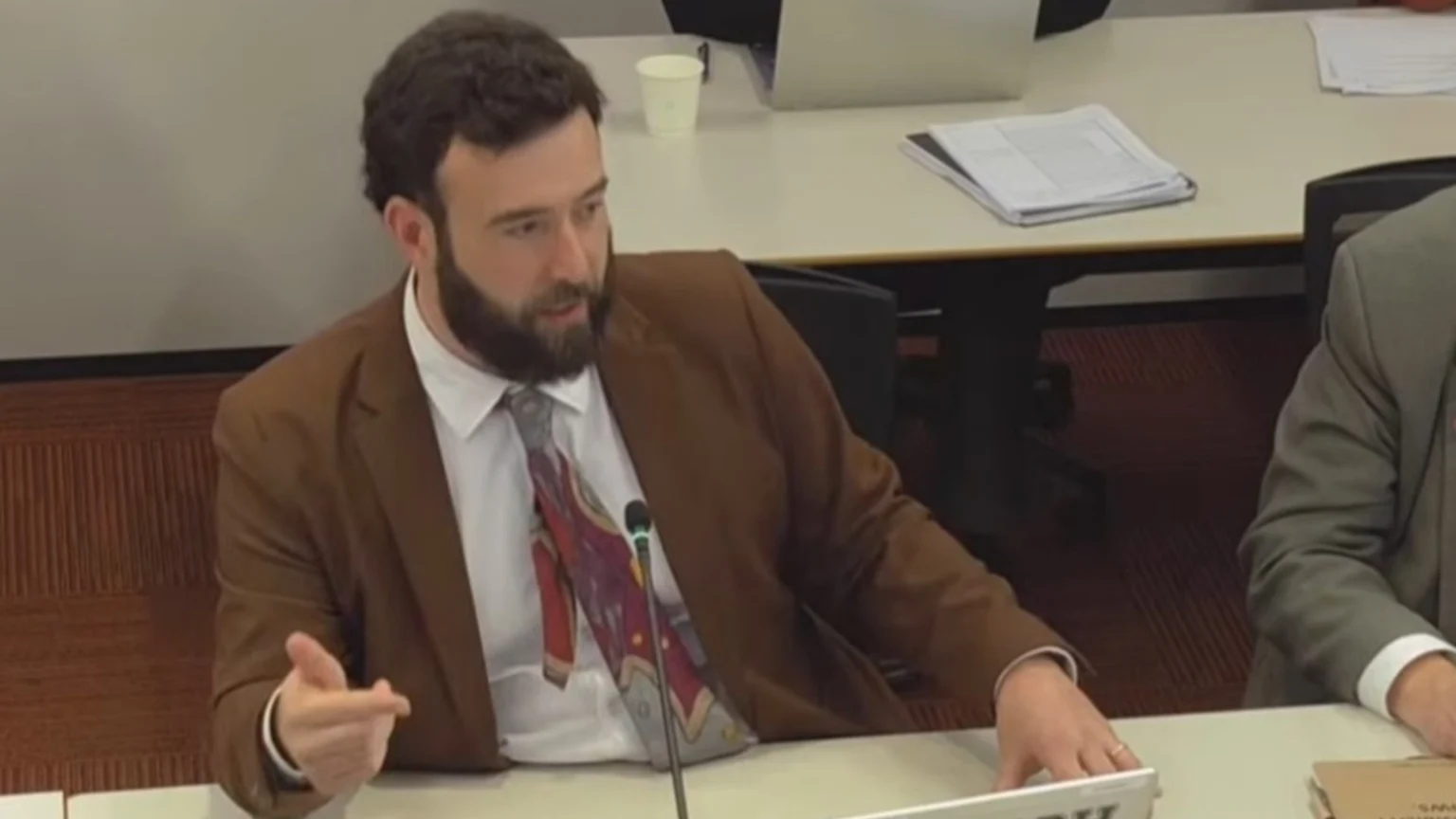
Herz-Jardine explained to rova that local council doesn’t have the right permissions to step in and manage this takeover, as Airbnbs are treated differently under law to motels or backpacking lodges.
He asked Christchurch City Council to collectively write to the central government, asking to make it mandatory for short stay platforms to give up data to local governing bodies.
This builds on existing policies that charge business rates to short-stay accommodation providers, taxing them if it's unhosted for more than 60 days in the year.
“All we’re really asking is to do what they do in the EU… That way we don’t have to hire compliance officers to do stakeouts at short-stay accommodation providers to see how many days they’re using a property for.”
“If you look at the third-party data trackers, there are between 3,000 and 4,000 Airbnbs in Christchurch, and currently we’re only charging business rates to around 100 of them.”
“This way, we get all the data we need and then we can charge everyone the right taxes, and if in the future we want to restrict short-stay accommodation, which I think probably would be a good idea, we’ll actually have the data to be able to do that and enforce that.”
It was a unanimous agreement to bring this issue directly to parliament, a win that Herz-Jardine considered common sense.
He said the move will not just improve quality of life and affordability in Christchurch, but other central city locations and tourist hot spots such as the Mackenzie District, Queenstown Lakes, Wellington and Auckland.
Published by Aleksandra Bogdanova
14 May 2026