Te Ao Māori
How to spot the Matariki star cluster in NZ this Māori New Year

Published by Sophie van Soest
09 Jul 2026
Matariki is almost here, with Aotearoa preparing to celebrate the Māori New Year on Friday, July 10.
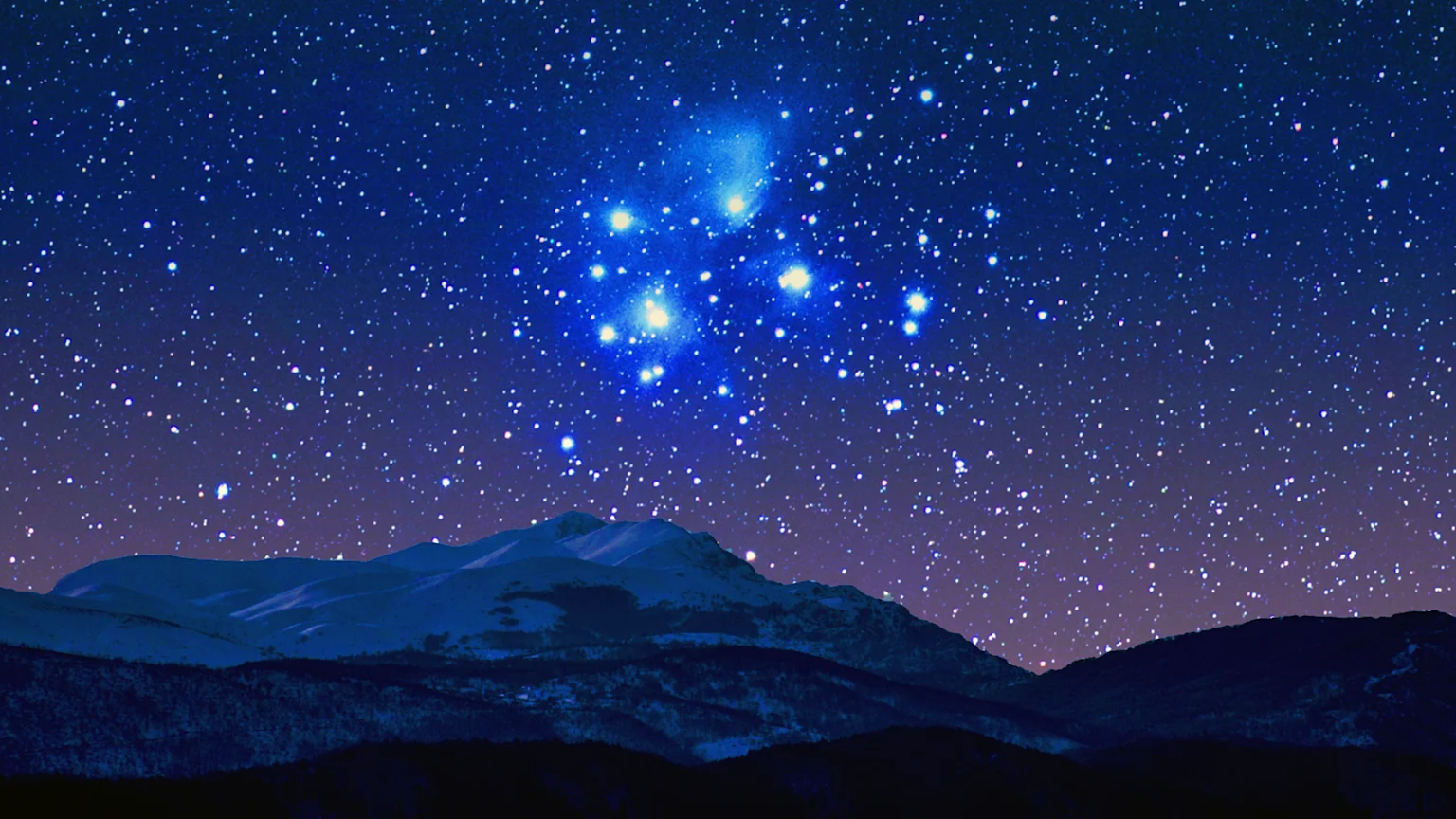
Marked by the rising of the Matariki star cluster in the midwinter sky, the occasion is a time for New Zealanders to pause and reflect on the year that has passed, celebrate the present with whānau and friends, and look ahead to what’s to come.
This year’s theme of Matariki herenga waka is all about inclusion and encouraging all people to celebrate Matariki together.
So what better way than to get outside and look up to the stars that mark the Māori New Year.
What is Matariki?
Unlike the standard 12-month calendar, Matariki follows the maramataka - the Māori lunar calendar - and is celebrated on a Friday in either June or July, close to when the star cluster becomes visible in the early morning sky.
According to Te Papa, there are over 500 stars in the Matariki cluster - but only nine are visible from Aotearoa without needing a telescope.
Each of the stars has its own unique characteristics that Māori acknowledge and honour.
The nine stars of Matariki are:
Matariki - represents health and wellbeing, reflection, hope, the gathering of people, and our connection to the environment
Pōhutukawa - connects us to our loved ones who have passed on
Tupuānuku or Tipuānuku - represents kai (food) that grows in the ground
Tupuārangi or Tipuārangi - linked to birds and foods from the sky like fruits and berries from trees.
Waitī - represents fresh water bodies and the food sources in them.
Waitā - represents the ocean and all life in it.
Ururangi - represents the wind
Waipuna-ā-rangi or Waipunarangi - represents rain
Hiwa-i-te-rangi - connected to our dreams and aspirations (the youngest star of the cluster)
How to find Matariki in the sky
Want to spot the stars for yourself? Space Place has shared a handy guide to help you locate the stars marking the Māori New Year.
From now through winter, head outside on a clear morning just before sunrise and look towards the eastern sky.
Here’s how to find the Matariki cluster:
Find the three stars that make up Tautoru (Orion’s Belt).
Look for the bright star above - this is Puanga (Rigel).
Find Taumata-kuku (Aldebaran), near the sails of Te Waka o Rangi.
Draw an imaginary horizontal line between Tautoru and Taumata-kuku.
Matariki will appear as a small cluster of stars just above that line, to the left of Taumata-kuku.
This year, Matawhero (Mars) is also expected to appear brightly between Taumata-kuku and Matariki on July 10.
How to celebrate Matariki 2026
Stargazing is just one way to celebrate the Māori New Year.
Across the motu, many regions are putting on free Matariki events, celebrations and opportunities to connect with friends and whānau.
Whether it’s heading along to a local event, sharing kai, taking time to remember loved ones who have passed, or setting intentions for the year ahead, there are plenty of ways to be part of the celebrations.
Another special way to mark Matariki is by learning your pepeha - a way of introducing yourself and sharing your connections to people, places and your whakapapa.
If you’re not sure where to start, we’ve got you sorted to generate your own.
Now, go make the most of this Māori New Year.
Mānawatia a Matariki!
Published by Sophie van Soest
09 Jul 2026