Health & Wellness
Sick of slipping down leggings? How to avoid them and beat 'gym-timidation'

Published by Monika Barton
11 Feb 2026
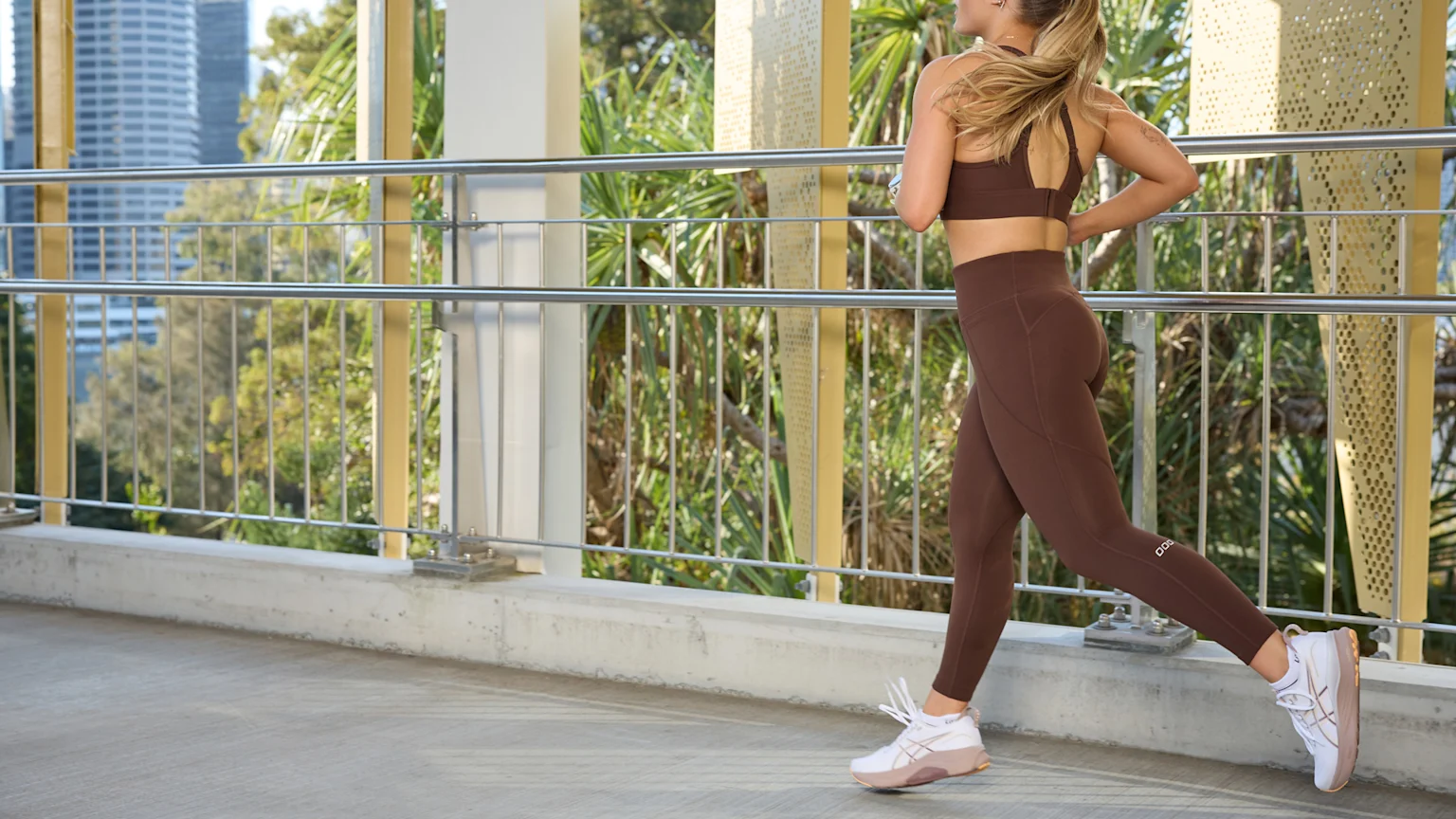
Whether you’re a marathon runner or more keen on a 'coffee-run', we’ve all been there: mid-squat and realising your leggings are totally see-through, or worse, fighting a waistband that leaves you waddling to keep it in place.
When it comes to spending our hard-earned cash on a bit of gym gear, it's easy to feel totally overwhelmed with choice. That's if you can even get past feeling beaten down by endless Insta reels of scrunch bums, waist-snatching and other trends that are more likely to send us into a bed-rot spiral than help us move our bodies.
Enter Lorna Jane Clarkson. As the founder of the global activewear empire Lorna Jane, she didn't just invent the category; she’s spent decades obsessing over the technicalities of how women move.
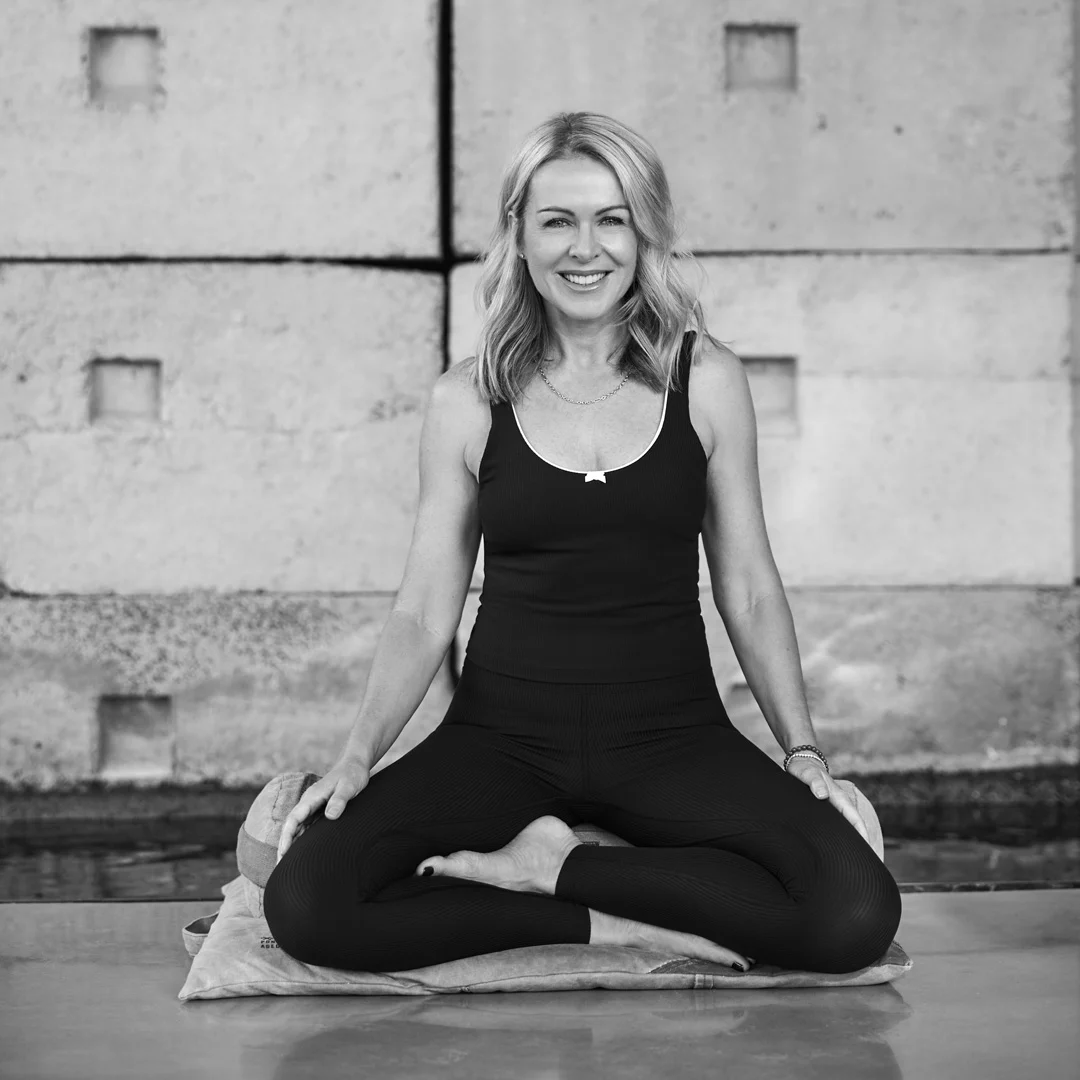
So who better to ask about what to look for - and avoid - when it comes to activewear?
We find out why your 'lucky' sports bra might actually be doing permanent damage, three things to put on your leggings checklist, how to channel confidence to be your best workout self, and heaps more.
Q: Bad leggings can be a sensory nightmare. Beyond the 'squat-test' what are three non-negotiable things we should look for when buying a pair?
Lorna: Oh my gosh, yes - bad leggings can completely ruin a workout. For me, it always comes back to how they feel and how they behave on your body. The fabric should feel soft but supportive, not scratchy or stiff. If the waistband is too big and you’re constantly pulling them up or they’re digging in, they’re not doing their job. And stretch is everything, you want fabric that moves with you and then actually snaps back into shape, not something that loses its shape after a few wears.
Q: We often hang on to our workout gear for years. Is there an expiry date for this kind of fabric, and what are the tell-tale signs that a sports bra or a pair of leggings has lost its functional integrity?
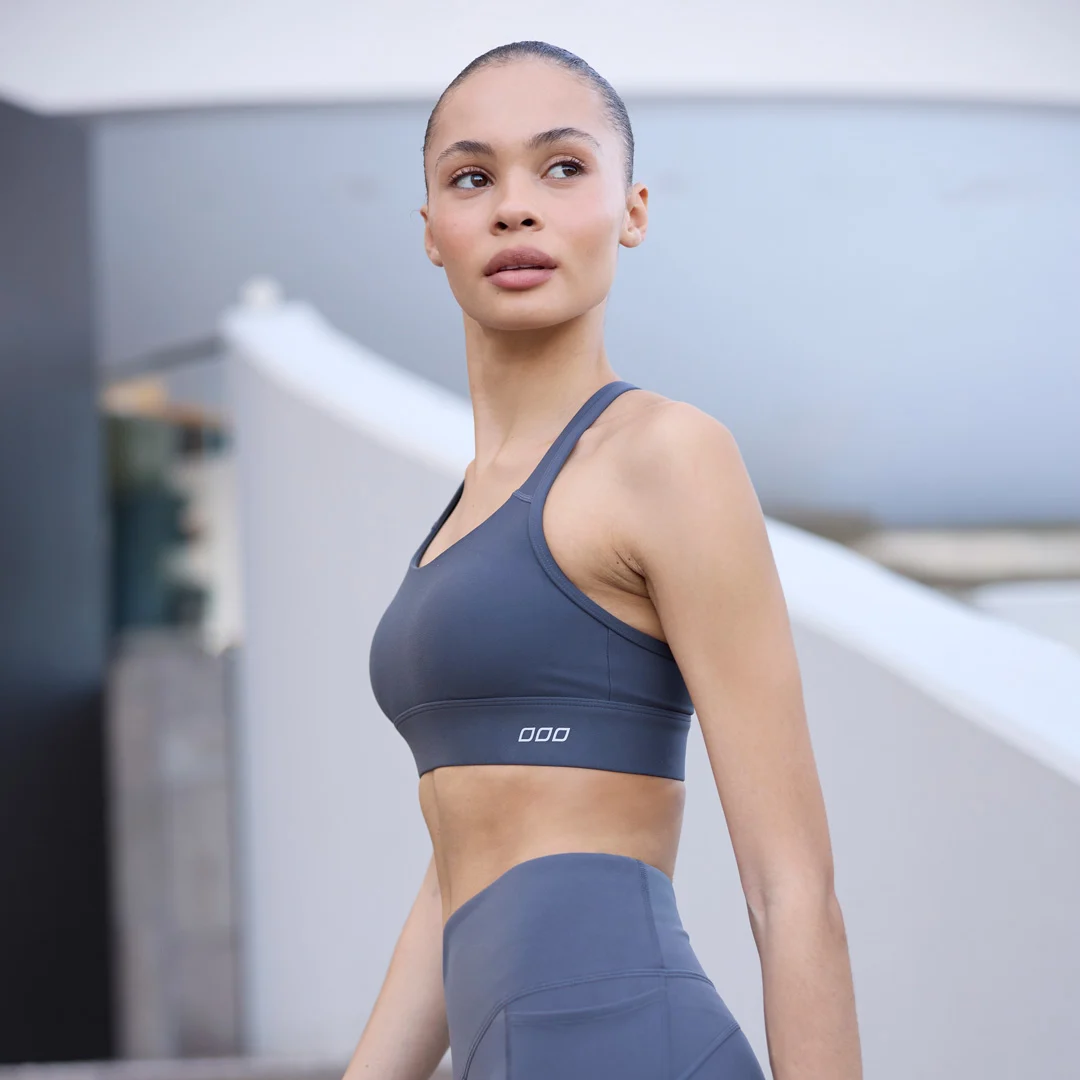
Lorna: There definitely is a lifespan, especially for pieces you wear and wash a lot. If your leggings start slipping down, feeling thinner, or losing that supportive feel, that’s a big sign. With bras, it’s usually when the straps stretch out, or you stop feeling properly supported. I always say, if your activewear isn’t supporting you anymore, it’s not doing its job - and you shouldn’t be fighting your clothes just to get through a workout.
Q: Women often choose 'all-day comfort' bras for high-impact workouts, or vice versa. What is the most common mistake you see women making when selecting a support level, and how does that affect their long-term physical health?
Lorna: The biggest mistake is under-supporting for high-impact exercise. Running, HIIT, anything with jumping really needs real structure. Over time, not having enough support can actually strain the connective tissue in the chest, and once that elasticity is gone, it doesn’t come back. On the other hand, wearing super high compression bras all day doesn’t feel great either. It’s really about choosing the right level of support for what activity you’re doing and listening to what your body needs.
Q: From 'sweat-enhancing' fabrics to extreme compression, the industry is full of trends. What are some activewear 'innovations' you think are actually just gimmicks, and what should we be looking for instead?
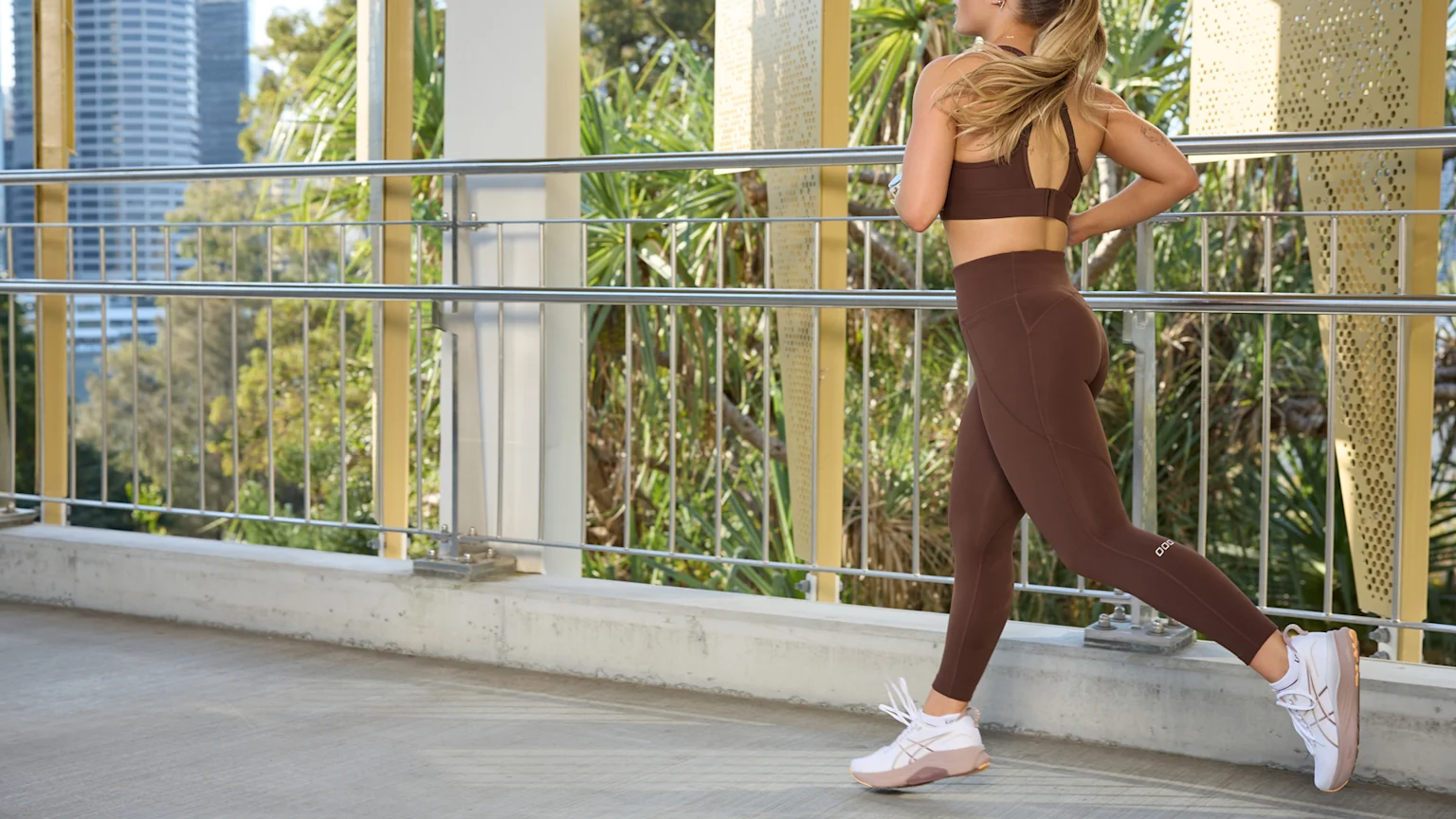
Lorna: I think anything that looks good on Instagram but doesn’t feel good in real life is probably a gimmick. If a fabric is overly shiny, stiff, or uncomfortable, it usually won’t stand the test of time. What really matters is how it performs when you’re actually moving. Real innovation is pretty simple - fabric that breathes, holds its shape, manages sweat and actually feels good when you’re moving. If it makes you feel confident and comfortable, that’s what matters.
Q: Gym-to-swim pieces make a lot of sense for active Kiwis - why do you think the trend is only really taking hold now?
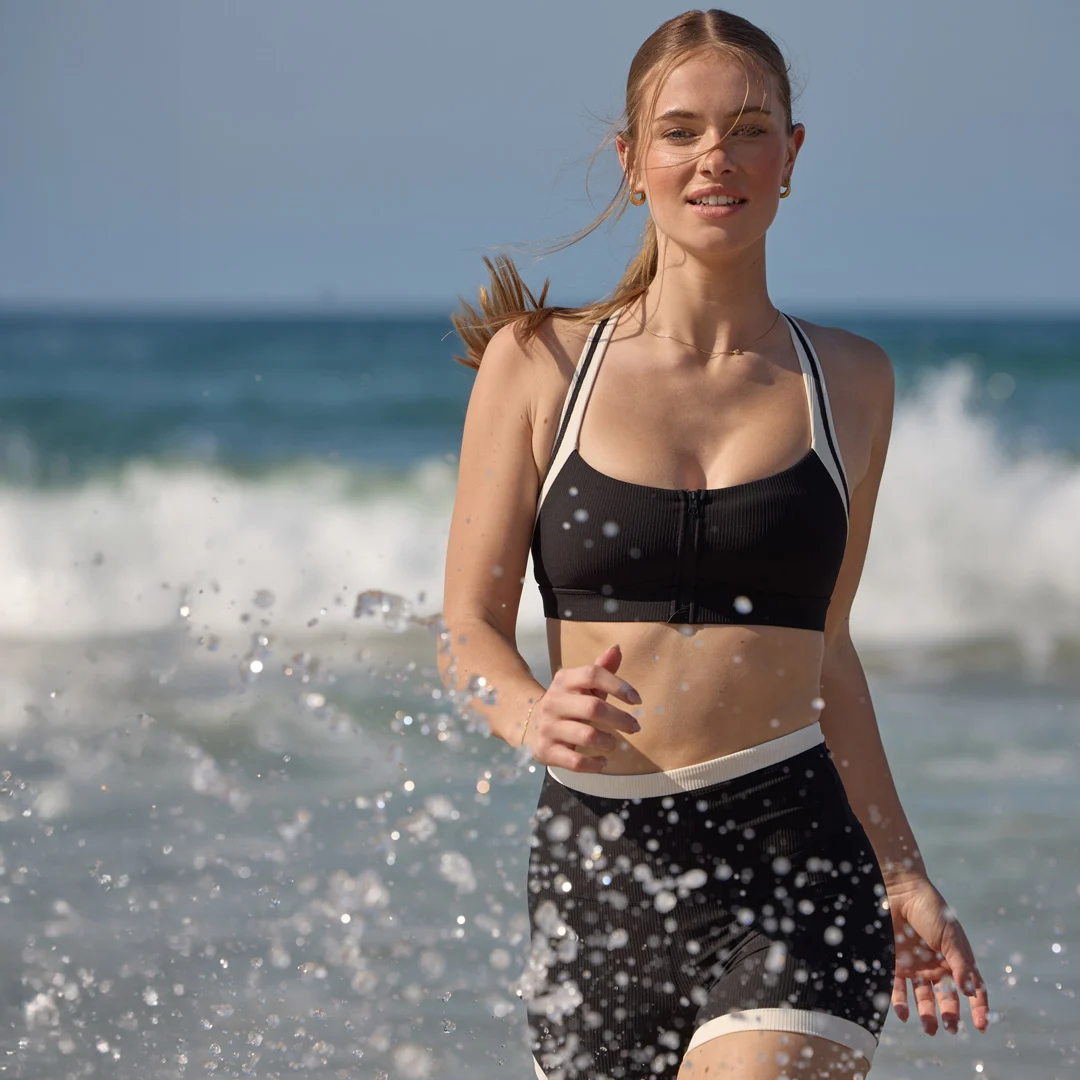
Lorna: Life just isn’t so segmented anymore. We’re fitting workouts in between work, errands, school runs, beach swims, coffee dates - sometimes all in one day. Women want pieces that move with their lifestyle. Gym-to-swim just makes sense because it saves time, reduces outfit changes (and of course washing!!) and makes being active feel easier and more spontaneous.
Q: Rest is such an important part of living a healthy life - what key things should people look for when choosing sleepwear? What trends should be ignored?
Lorna: Sleepwear should feel effortless. You want soft, breathable fabrics and fits that don’t cling, twist or dig in while you sleep. If it feels restrictive, it’s not doing its job. I’d skip anything that’s overly tight, heavy, synthetic or purely decorative. Sleep is recovery and what you wear to bed should support that, not get in the way.
Q: People are incorporating sleepwear and gym gear into their fashion looks more and more - how do you avoid looking like you've worn pyjamas to dinner or activewear to work?
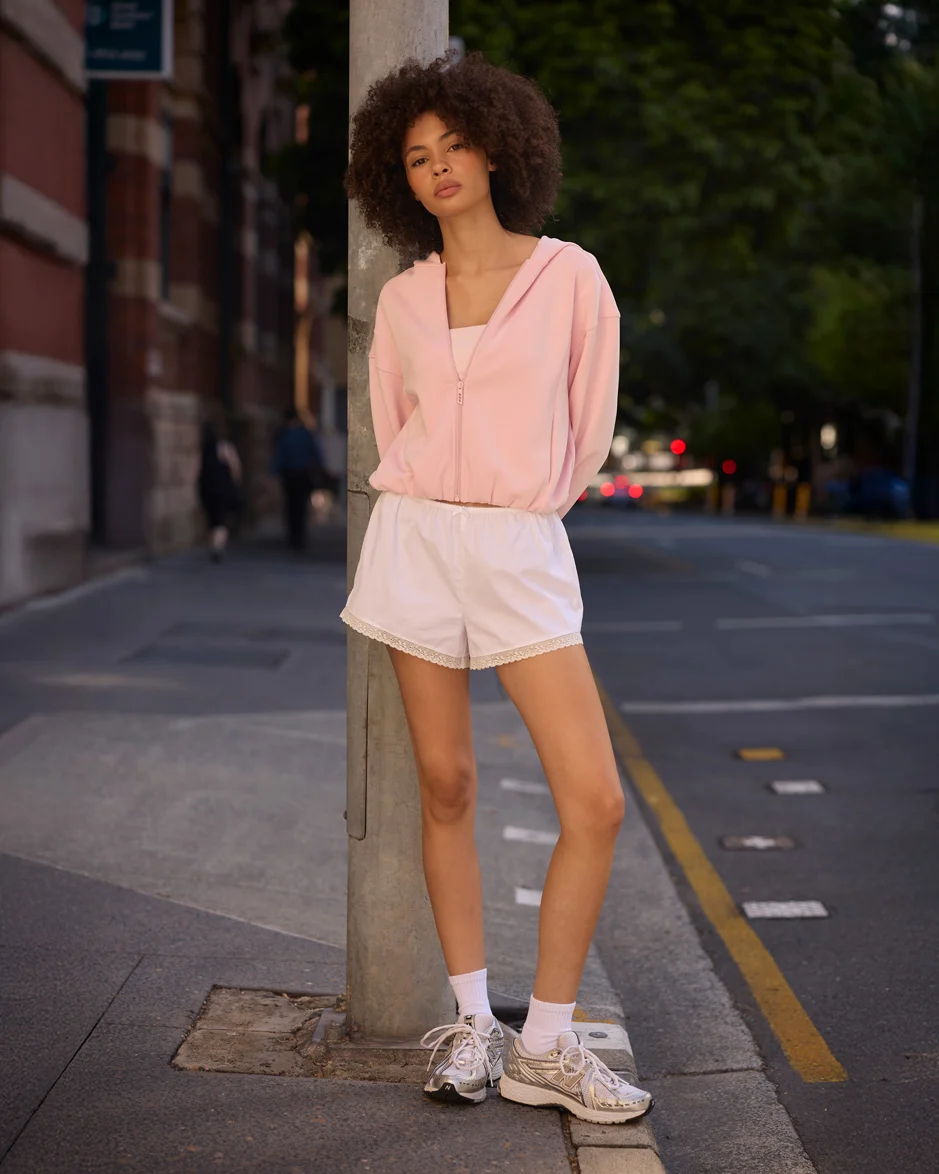
Lorna: It’s really about styling. Adding one structured piece like a blazer, denim jacket or a great bag can completely change the look. A great pair of sneakers, simple jewellery and intentional layering go a long way. When it looks styled on purpose, it feels elevated instead of lazy.
Q: Actually, on that note, is it ok to wear leggings to the office? (Not including the Lorna Jane office, obvs!)
Lorna: I think leggings can absolutely work; it just comes down to quality and how you style them. Thicker fabrics, darker colours and polished layers make a big difference. Comfort doesn’t have to mean casual anymore.
Q: Given the pressure some women feel in these spaces, how can good activewear help someone combat 'gym-timidation'?
Lorna: This is something I’m really passionate about and one of the main reasons I started designing activewear. When you feel comfortable in what you’re wearing, it changes how you show up. You’re not adjusting, pulling or worrying about coverage, so you can be more focused on moving and feeling good. Confidence grows when you feel supported and secure. That’s what wearing the right activewear can do.
Published by Monika Barton
11 Feb 2026