Life
He Cooks, She Gets Blamed: The Double Standard in Indian Homes
Published by Vijay Varma
07 Sep 2026
An Indian man has started a debate on social media about the deeply ingrained double standards that still govern household roles and personal freedom.
In a post on social media, author Sayantan Ghosh reflected on the unspoken taboo surrounding men cooking in everyday households, contrasting it with the praise showered on famous male celebrity chefs.
A Passion for Cooking, A Target for Criticism
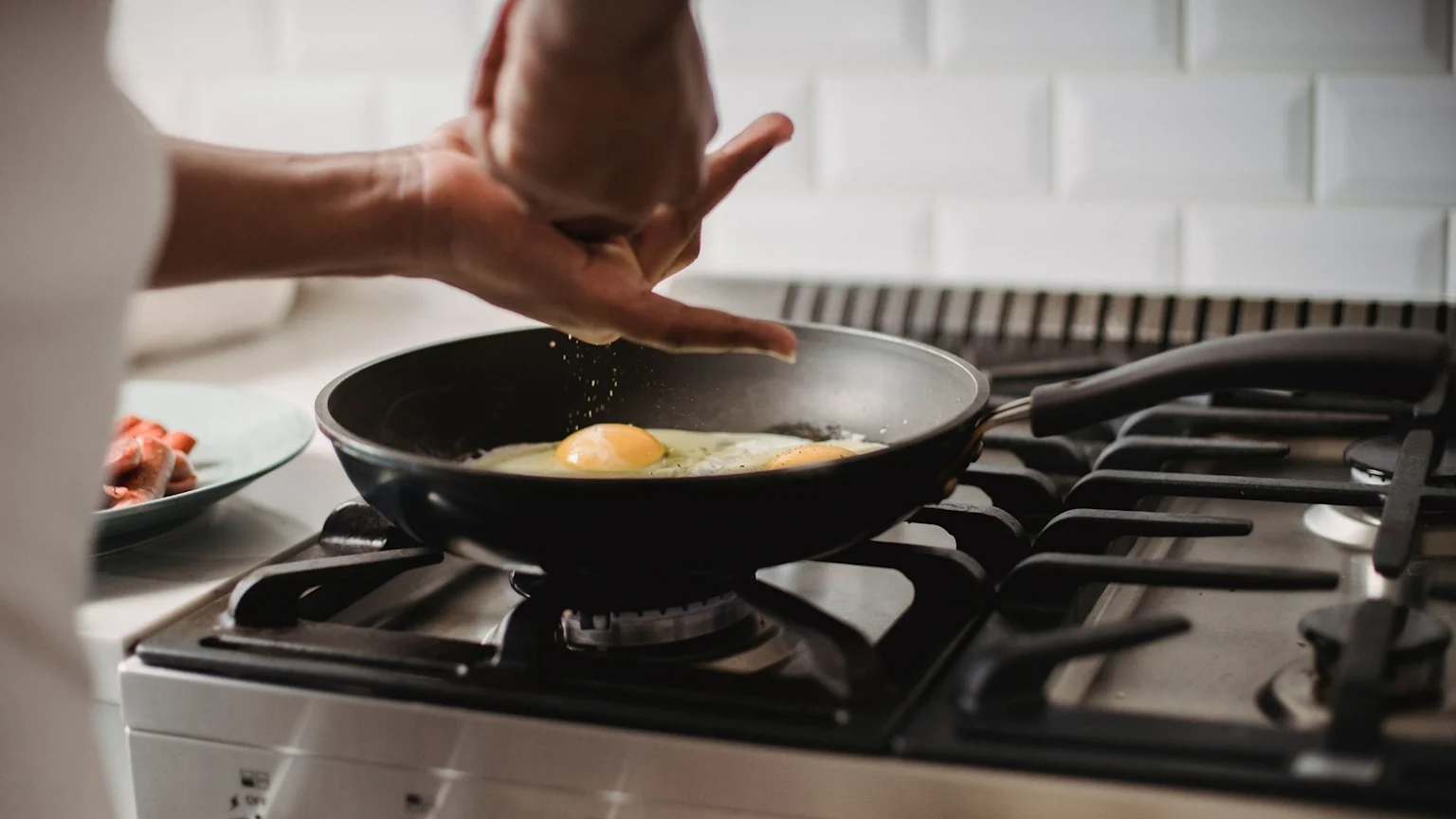
While celebrity chefs like Ranveer Brar and Sanjeev Kapoor are celebrated as icons, Ghosh noted that a husband entering the kitchen in an everyday home often draws judgment—not toward him, but toward his wife.
Ghosh shares that cooking serves as his personal therapy and a way to unwind. However, rather than viewing his involvement as a shared household responsibility, society frequently criticizes his wife, Anindita.
Relatives, acquaintances, and even domestic help have repeatedly questioned whether she is a "good wife" or a "good mother" simply because her husband cooks.
The unspoken expectation remains that domestic meal preparation is solely a woman's duty.
Double Standards Outside the Kitchen
The post further highlights the stark contrast in how society perceives personal time for husbands versus wives:
For Men: Going out with friends, watching movies alone, or taking personal space is accepted as completely natural and guilt-free.
For Women: When a wife seeks identical personal time, it is often viewed as a neglect of her maternal and domestic obligations.
Rethinking Domestic Roles
Ghosh recalls growing up in a working Bengali household where his college professor father cooked on weekends to support his banker mother—a dynamic where shared responsibility was normalized without gender labels.
Today, Ghosh and his wife are intentionally teaching their daughter that cooking is a fundamental life skill rather than a gender-based obligation. He concludes that patriarchy’s most enduring form isn't always big or institutional; it lives quietly in daily expectations, casual remarks, and kitchen routines.
Published by Vijay Varma
07 Sep 2026