Music
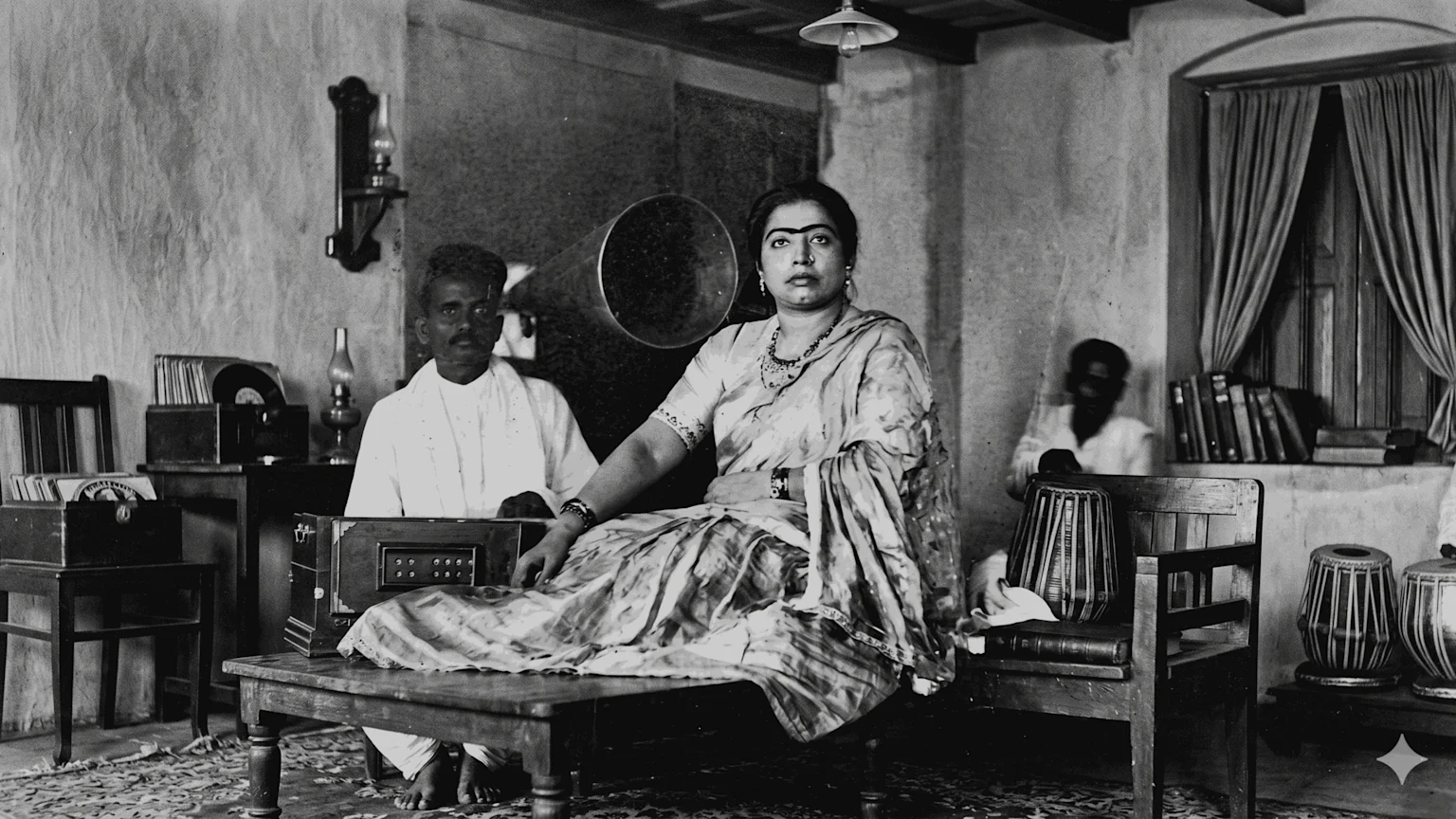
Gauhar Jaan: India’s First Recording Superstar
Published by Ketan Kumawat
22 Jun 2026
Introduction
Gauhar Jaan was one of the most influential figures in the history of Indian music. Known as India’s first recording artist, she played a pioneering role in bringing classical and semi-classical music to a wider audience through gramophone recordings. Her remarkable talent, charismatic personality, and innovative approach to music earned her a unique place in Indian cultural history.
Early Life and Background
Gauhar Jaan was born as Angelina Yeoward on 26 June 1873 in Azamgarh, in present-day Uttar Pradesh. After her parents separated, she moved with her mother to Banaras (Varanasi). Both later converted to Islam, and Angelina was renamed Gauhar Jaan while her mother became known as Malka Jaan, a respected singer and dancer. Under her mother’s guidance, Gauhar received extensive training in music, dance, and multiple languages.
Rise to Fame
Gauhar Jaan began performing at a young age and made her first major appearance in the royal court of Darbhanga in 1887. Her talent quickly gained recognition, and she later established herself as a leading performer in Calcutta (now Kolkata). Her performances combined classical excellence with popular appeal, attracting audiences from different sections of society.
The Recording Revolution
In 1902, Gauhar Jaan became one of the first Indian musicians to record music for the gramophone. These recordings marked a turning point in Indian music history. Since early records could only capture about three minutes of sound, she mastered the art of condensing complex classical compositions into shorter performances. At the end of each recording, she famously announced, “My name is Gauhar Jaan,” helping record companies identify the artist.
Musical Contributions
Between 1902 and 1920, Gauhar Jaan recorded more than 600 songs in over ten languages, including Hindi, Bengali, Gujarati, Tamil, Marathi, Persian, Arabic, French, and English. She popularized musical forms such as thumri, dadra, kajri, tarana, and bhajans, making them accessible to a broader audience. Her recordings helped preserve and spread Hindustani classical music during a period of rapid technological change.
Legacy and Influence
Gauhar Jaan’s success transformed the relationship between music and technology in India. She demonstrated how recording technology could be used to preserve artistic traditions and reach listeners far beyond live performances. Her achievements inspired future generations of musicians and contributed significantly to the growth of the Indian music industry.
Conclusion
Gauhar Jaan remains a legendary figure in Indian music history. As a gifted singer, performer, and recording pioneer, she broke new ground at a time when the recording industry was in its infancy. Her contributions not only revolutionized Indian music but also ensured that her voice and artistry would continue to be remembered long after her time.
Published by Ketan Kumawat
22 Jun 2026