New Zealand
Need petrol money? Some Kiwis to get a weekly $50 fuel relief payment from April


Published by Rebekah Hunt
24 Mar 2026
The Government has announced targeted relief for low-to-middle-income working families, as conflict in the Middle East drives up fuel prices.
From April, 143,000 families with children will receive an extra $50 a week through the existing in-work tax credit payment. Another 14,000 families will be made eligible for a lower rate. It will be paid directly into accounts starting the 7th of April, or the 14th, if the household is on a fortnightly cycle.
The in-work tax credit is a payment for households where at least one parent is in paid employment, and neither receives a main benefit from Work and Income.
In a press conference, Finance Minister Nicola Willis acknowledged the policy means some will go without direct support.
“First we have to do no harm. If we go on a major spender - trying to assist every New Zealander - we will drive up inflation, we will drive up debt, we will damage the economy.” she said, adding New Zealand is still grappling with the fallout of the pandemic.
“The Government is conscious that a careless response to this crisis could have long-lasting and painful consequences…that is why we are focused on temporary, timely support that is targeted to the workers who need it most, while continuing to manage the public finances carefully.”
She explained that beneficiaries haven’t been included because of an upcoming change.
“We will be increasing main benefit rates on the 1st of April, so a couple with children receiving jobseeker support will see an increase of more than $20 a week. We make no apologies. We are focused on working with New Zealanders."
The Amendment to the Taxation Bill, which will be introduced in Parliament on Wednesday, has been budgeted for.
Willis said in a press release that there will be no ongoing cost. The one-off price of $373 million will count against the Government’s operating allowance, already factored into the Treasury’s fiscal forecast.
“Funding the policy this way will not add to forecast debt or inflationary pressures. It is consistent with the Government’s fiscal strategy, which seeks to balance the books and bend the debt curve down.”
She’s adamant New Zealand must stay focused on temporary support.
“We don’t know what decisions the US administration, Israel, Iran, or the other countries in the Middle East will make over the coming days, weeks, and months. We do not know how long it will be until global supply chains normalise.”

Prime Minister Christopher Luxon added that no commentator can predict what’s going to happen next.
“What we have to do is take responsibility - very seriously - in a very measured, calm, good management model to actually think about the scenarios that could emerge. There's a whole bunch of economic implications, there's a whole bunch of fuel supply implications, and we've got to work our way through those piece by piece.”
The $50 boost is set to last one year, or until the price of 91 octane petrol drops below $3/litre for four consecutive weeks.
Fuel supply remains a focus
On Monday, the Government announced New Zealand’s fuel specifications will be changed to align with Australia's. Doing so will allow fuel that meets Australia’s standards to enter the country, widening the pool of suppliers.
Associate Energy Minister Shane Jones gave the example of a long-range vessel carrying 120-million litres.
“We chew through 24 million liters a day… 45 percent is diesel, between a third and 35 percent is petrol, and the remainder is aviation fuel. Should such a vessel be on its way to Australia, then we would have the ability to also benefit.”
He shot down claims that it would allow ‘soiled’ fuel into the market.
“It’s unkind of us to refer to our Aussie compatriots as dirty. In many respects, some of the specs that exist in Australia are slightly higher than what we have in New Zealand.”
“There has been the point made that some of the fuel destined for northern Queensland may not work in the frigid south. So where importers are bringing fuel consistent with the Aussie standard, it must be fit for that purpose,” he added.
While relaxing standards to allow fuel with a higher sulphur content has been ruled out for now, it’s not off the table.
“We will take advice should the situation change, and that could be an option that expands our supply,” said Jones.
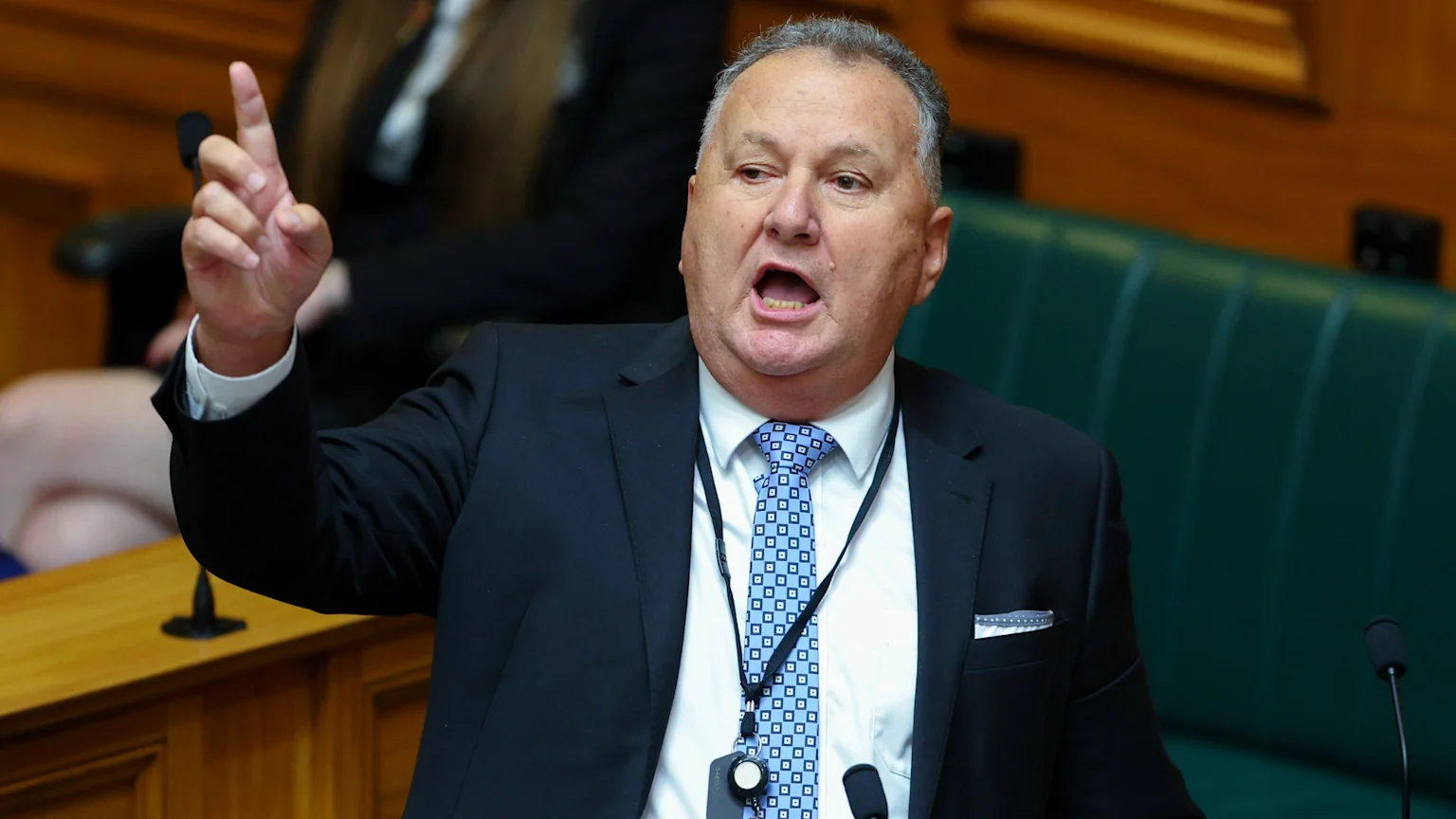
A press release states the alignment could last up to 12-months. However, the Minister suggested he’s keeping his options open:
“I’ve got a fair degree of support in our cabinet to actually move towards permanent harmonization, of not only these standards but of a variety of other standards in the economy… but that’s sort of beyond my pay grade.”
As of Wednesday the 18th, New Zealand had an average 46.9 days of fuel on the back-burner.
Published by Rebekah Hunt
24 Mar 2026