New Zealand
'Filling the gap': Kiwi adults could all get free dental care with new proposal
Published by Rebekah Hunt
23 Apr 2026
Free adult appointments could cost less than a billion dollars a year - and a one-off investment.
The Dental for All campaign describes oral healthcare access in New Zealand as a dire problem. According to the New Zealand Health Survey, about 43% of adults avoid making an appointment due to cost.
No longer wanting to grin and bear it, Dental for All has put forward a plan; ‘Fixing Oral Healthcare in Aotearoa New Zealand’. The document introduces a practical model for free, universal, Te Tiriti o Waitangi-consistent oral healthcare.
Spokesperson Hana Pilkinton-Ching told rova there’s no good reason why adults are left out of New Zealand’s public system.
She pointed out it doesn’t make sense to treat mouths and teeth as separate from the rest of our bodies.
“It's actually just a political decision that was made in 1938 when our system was being set up… at the time, dentists lobbied to keep oral healthcare excluded.”
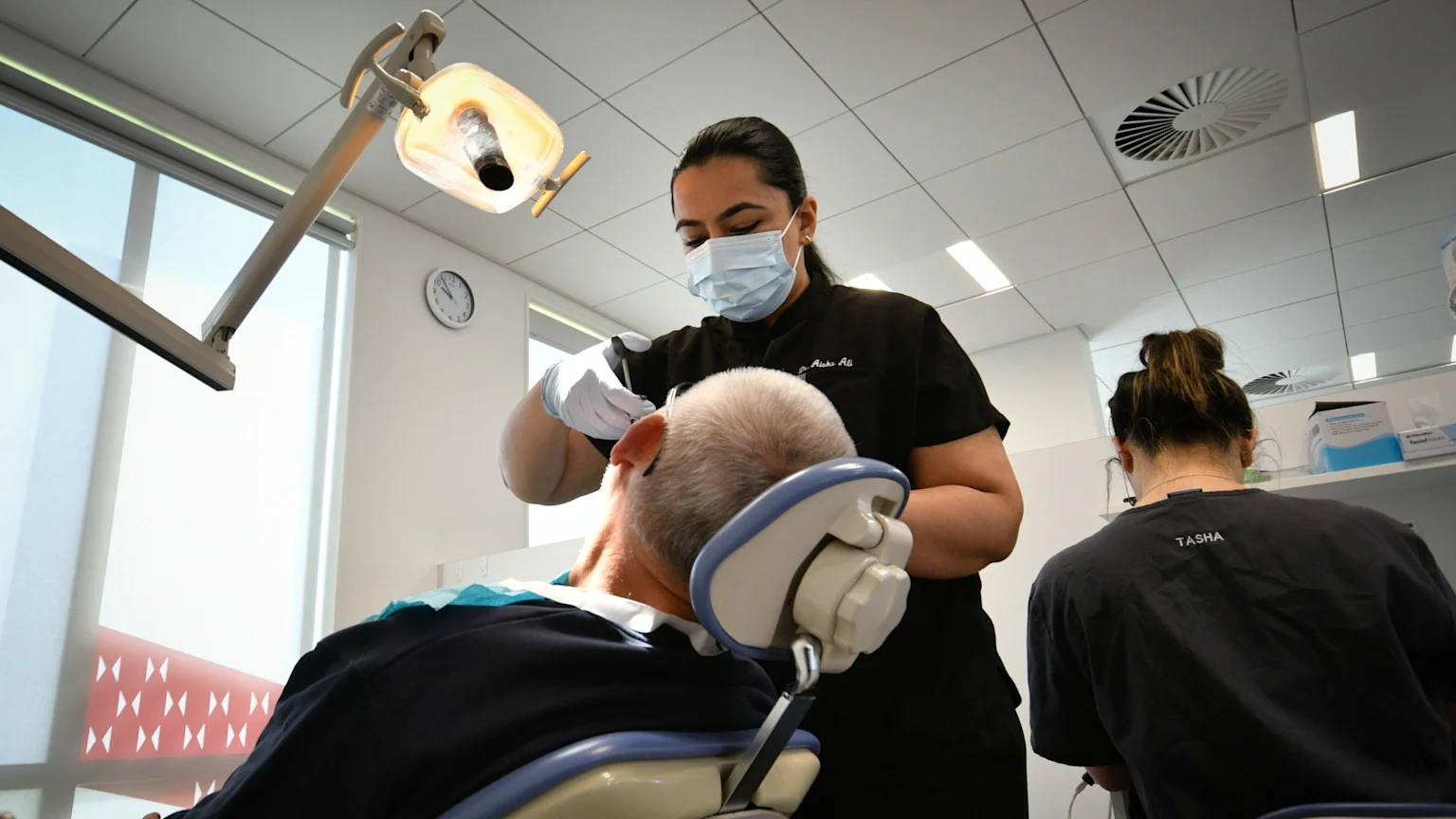
The policy proposal hinges on the government funding a network of publicly owned community clinics.
It estimates the total annual cost would be around $936 million, alongside a one-off capital investment of $1.1 billion.
“1921 public dental chairs across the country should enable every adult person in New Zealand to access at least one appointment per year, acknowledging that some will need multiple appointments.”
Pilinton-Ching said that’s significantly lower than the social cost of the current model.

The paper lays out three core pillars:
Oral healthcare should be provided universally and for free
Oral healthcare should honour and uphold Te Tiriti o Waitangi
Bring oral healthcare into the public healthcare system
In terms of workforce development, the Government is encouraged to offer more training seats for dental students, and expand the number of trained oral health therapists as they have essential skills.
“One of the concerns raised is that a free annual check-up may simply make a patient aware of significant oral health problems, but the prohibitive cost barrier for treatment would still be in place.”
Instead, the paper suggests a system wide approach, where reducing pain, and prevention are the criteria. That way fillings, root canals, crowns, and dentures are covered. Private dentists would be free to continue offering their own services.
Pilkinton-Ching hopes politicians get on board with elections around the corner.
“Just last month we released polling which shows more than 8 in 10 adults in New Zealand support bringing dental care into the public health system”.
“No longer can politicians ignore the damaging effects of our privatised model of oral healthcare, or argue there is no solution to these problems.”
Published by Rebekah Hunt
23 Apr 2026