New Zealand
Emergency management overhauled for first time in more than 20 years

Published by Ben Goldson
31 Aug 2026
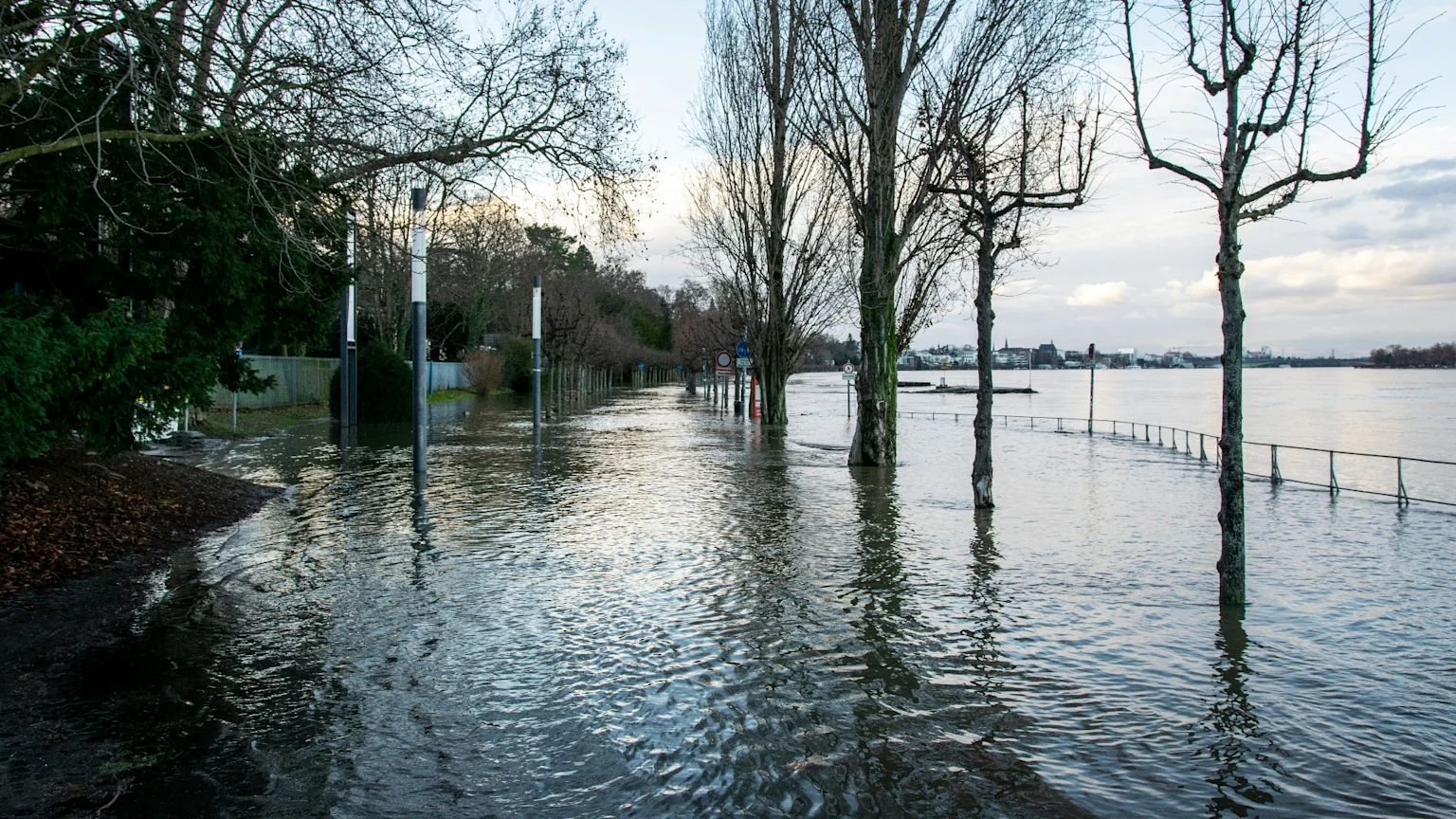
With extreme weather events on the rise, and research suggesting no sign they’ll be slowing down anytime soon, legislation intending to modernise how we deal is getting a re-fresh.
The Emergency Management Bill has passed its final reading. It’s the first time in 24 years that such a comprehensive set of changes has been made to these matters, and was broadly supported by the Opposition.
Speaking to rova, Emergency Management and Recovery Minister Mark Mitchell described the Bill’s progression as a “momentous occasion” and a rare moment of parliamentary unity.
“It’s modernised our legislation. It's now fit for a country that’s dealing with a weather event, on average, about every six days at the moment. There's been a lot of people that’ve put a lot of hard work into this, including the previous government. It's been a special bill because it's had bipartisan support, and everyone has worked really hard together on it to make sure that we've got the best possible legislation that will save lives.”
Given the inevitable chaos of emergency events, Mitchell says the main goal was making sure that there was a single source of information, along with clarity about who exactly should be doing what. He says the legislation is based on the recommendations that came out of a report from Sir Jerry Mateparae after Cyclone Gabrielle.
“Throughout New Zealand, in the typical Kiwi way, we often went for these bespoke-type systems, which creates a situation where no one is joined up, and so it's impossible to share information and data.
“So, the Government's heavily investing in what's called a Common Operating Picture that will get everyone onto the same platform and will make things much safer. The decision-makers are going to have the data and information that they need, and that will flow right down through to the front-line people, our first responders and emergency workers, as well as communities and contractors who are all trying to respond and actually do the hard yards on the front line.”
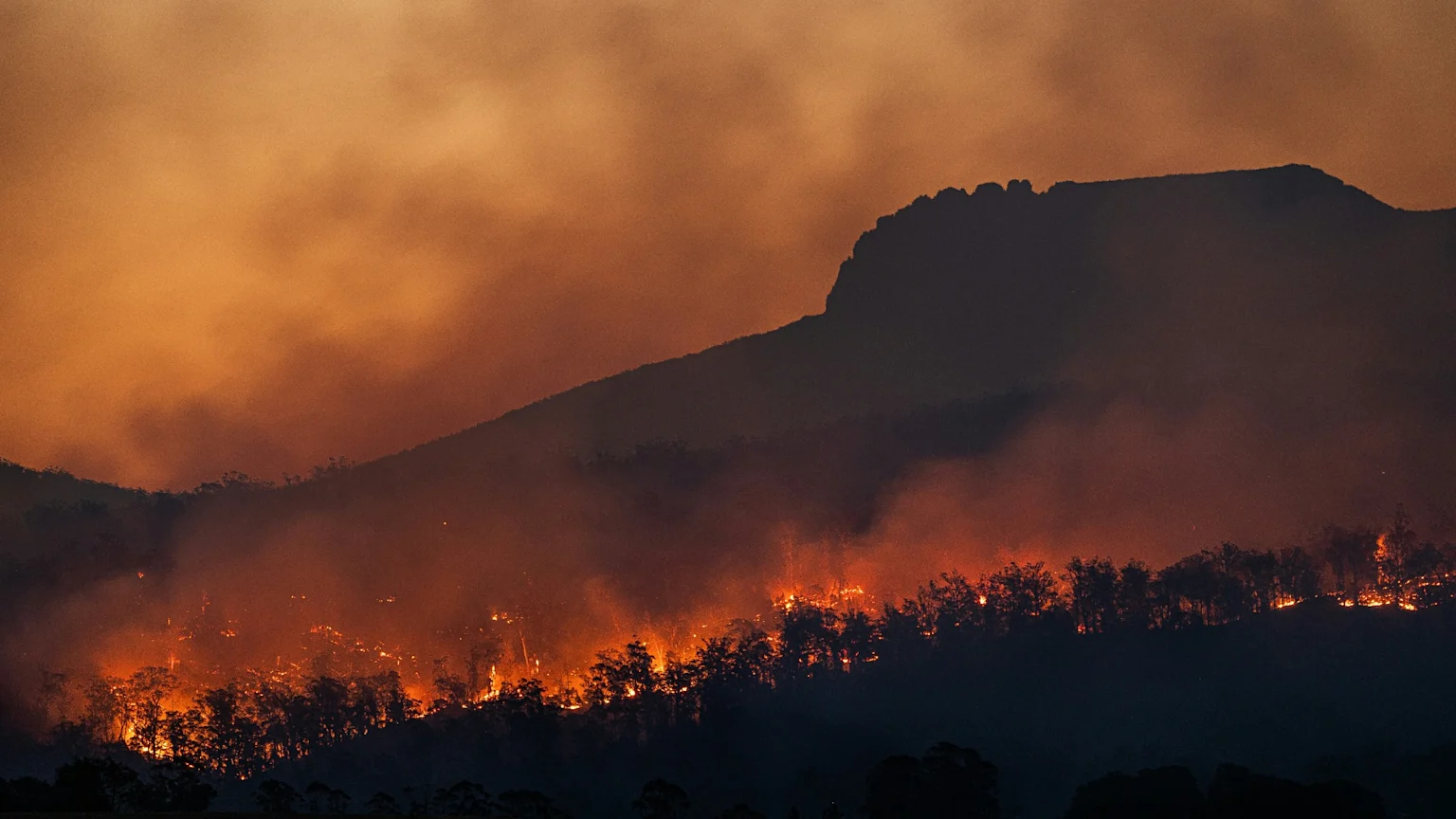
The Bill also accounts for the involvement of community groups in emergencies such as a big weather event.
“You get rural trusts in the rural sector which respond, along with Iwi and Hapū, and there's been confusion around lines of information, where they can expect to get information, where they can send information, where they fit into the whole response. There was confusion about who was in charge. That's all been codified and clarified in the legislation,” Mitchell explained.
“There'll also be constant reviews of plans, and updates, so it's very clear what will be done by local government, feeding into central government, and how parliament actually interacts with that as well.”
Finally, the Bill also had a section relating to pets and livestock, with people’s attachment to their animals a common theme in emergency responses.
“Pets are much-loved members of families, and there are lots of examples where people are very reluctant to leave because they're worried about the welfare of the family pet, and also livestock.
“We're doing a lot of good work on this already sort of over the last two and a half years. I think about the 2024 Port Hills fires where residents were locked out and couldn't get to their family pets or check on the welfare of their stock. At the time we made sure there was a lot of flexibility. People were escorted in, pets were looked after, stock was checked, and that's been consistent right across all of the responses that we've been dealing with in the country. But it's now codified in the legislation that that is a consideration, that attention needs to be paid to it.”
The bill is now awaiting Royal Assent, with most provisions to come into force on the day after it gets the go-ahead from the Governor-General.
Images from Unsplash
Published by Ben Goldson
31 Aug 2026