Opinion
Duncan Garner: Tauranga Hapū Holding Port Expansion To Ransom

Published by Duncan Garner
22 May 2026
New Zealand cannot build a serious economy if every major project has to run a cultural toll booth before it can get moving.
That is the blunt truth sitting underneath the Port of Tauranga fight. Representatives connected to Ngāti Kuku and Whareroa Marae are seeking compensation and revenue-sharing arrangements reportedly worth between $335 million and $475 million over 35 years, including around $19 million a year tied to cultural impacts and project revenues.
Watch the episode on rova below
So let’s stop pretending this is a normal planning dispute. It isn’t. This is a test of whether New Zealand still has one set of economic rules, or whether critical infrastructure can be slowed, priced up and negotiated into submission project by project.
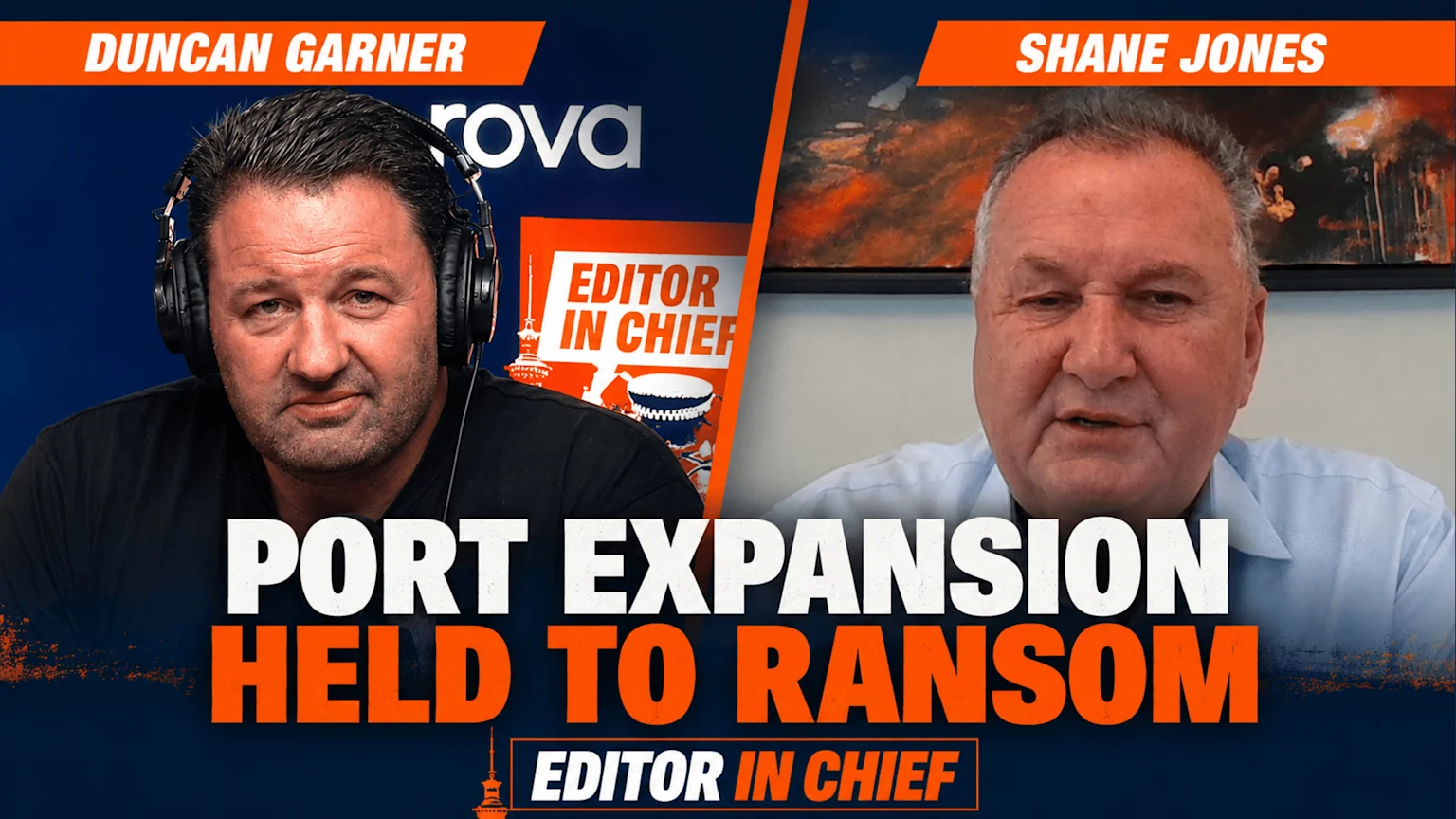
Shane Jones cut through it with one phrase. This sort of process risks allowing groups to “extort money from applicants” just to get things done. Strong language, yes. But what else do you call it when a nationally important port expansion becomes the vehicle for demands approaching half a billion dollars?
The Port of Tauranga is not some vanity project. It is one of the country’s great economic engines. Kiwifruit, dairy, forestry, exports, jobs, freight, wages, tax. Real stuff. The stuff that pays for hospitals, schools, roads and everything else politicians promise before discovering the cupboard is bare.
And this is the madness. Māori are part of that economy too. Māori work at the port, invest in businesses, grow, export, employ and build. That is exactly what New Zealand should want more of.
So why on earth would we tolerate a system that encourages any group, Māori or otherwise, to stand in the way of the very engine that creates jobs and income for everyone?
This is not an argument against tikanga. It is not an argument against environmental responsibility. It is not an argument against proper consultation. Spare me the lazy smear that every hard question is racism. It is an argument against consultation being turned into leverage and leverage being turned into a revenue stream.
There is a Treaty settlement process. It was meant to be full, final, transparent and accountable. Not perfect, but at least visible. What we are now seeing is something else. A second route. A side door. A new commercial opportunity wrapped in cultural language and dropped into the consenting system.
That is why the Government’s RMA reforms matter so much. If ministers do not draw a bright line here, they may as well send a message to every investor on earth saying New Zealand is open for business, but only after you’ve negotiated with every possible objector who knows delay is money.
Jones is right to be angry. Fast-track has not created this problem, it has exposed it. The old system let this stuff hide in process, delay and whispered settlement. Now we can see it clearly, and it looks awful.
Businesses will not say this publicly because they are terrified of being called names. But they will say it privately. They will invest somewhere easier. Australia. Singapore. Anywhere with rules they can understand.
That is the risk. Not one port. Not one hapū. Not one consent.
The risk is that New Zealand becomes too hard, too slow, too political and too expensive to bother with.
And once the investors leave, good luck taxing the silence.
Listen to the full episode:
Published by Duncan Garner
22 May 2026