New Zealand
DOC deploys drones for duck detection

Published by Ben Goldson
11 Aug 2026
With less than 3,000 estimated to still exist, efforts to protect the whio are a major priority for the Department of Conservation (DOC). Also known as the blue duck, the birds' insistence on living in harsh flood-prone areas presents a unique challenge for DOC rangers, who are far less suited for a life on the water.
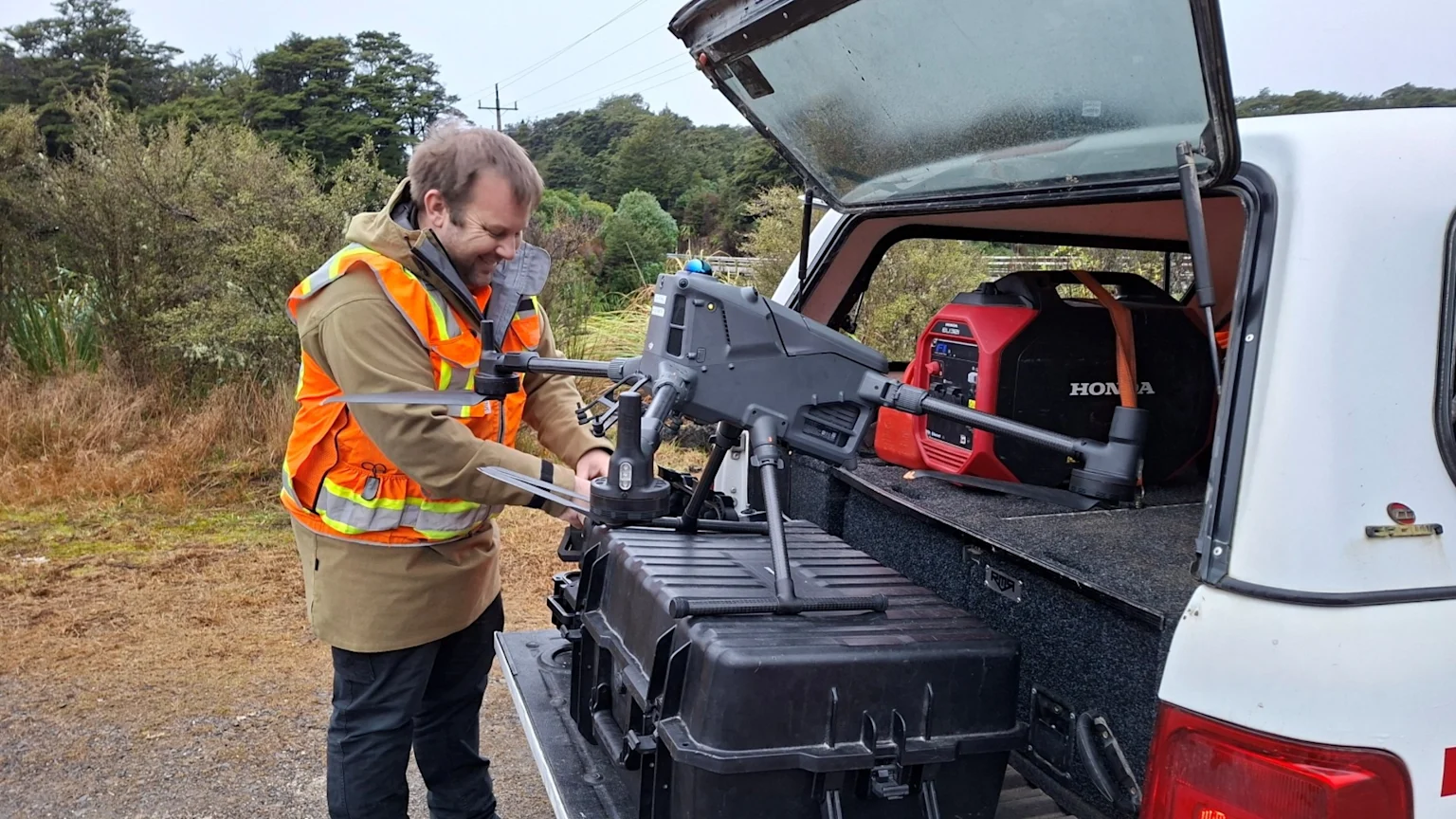
Enter the drones. Equipped with both thermal and regular cameras, the devices were initially being used to spot invasive deer species in the region. However, DOC’s Dan van der Lubbe says he soon realised they could do much more.
“We were noticing that some small mammals were coming up in our surveys. We saw a stoat and small piglets and some hedgehogs. I thought to myself, hang on, this might be useful for our whio monitoring work that we do as part of our partnership with Genesis Energy.
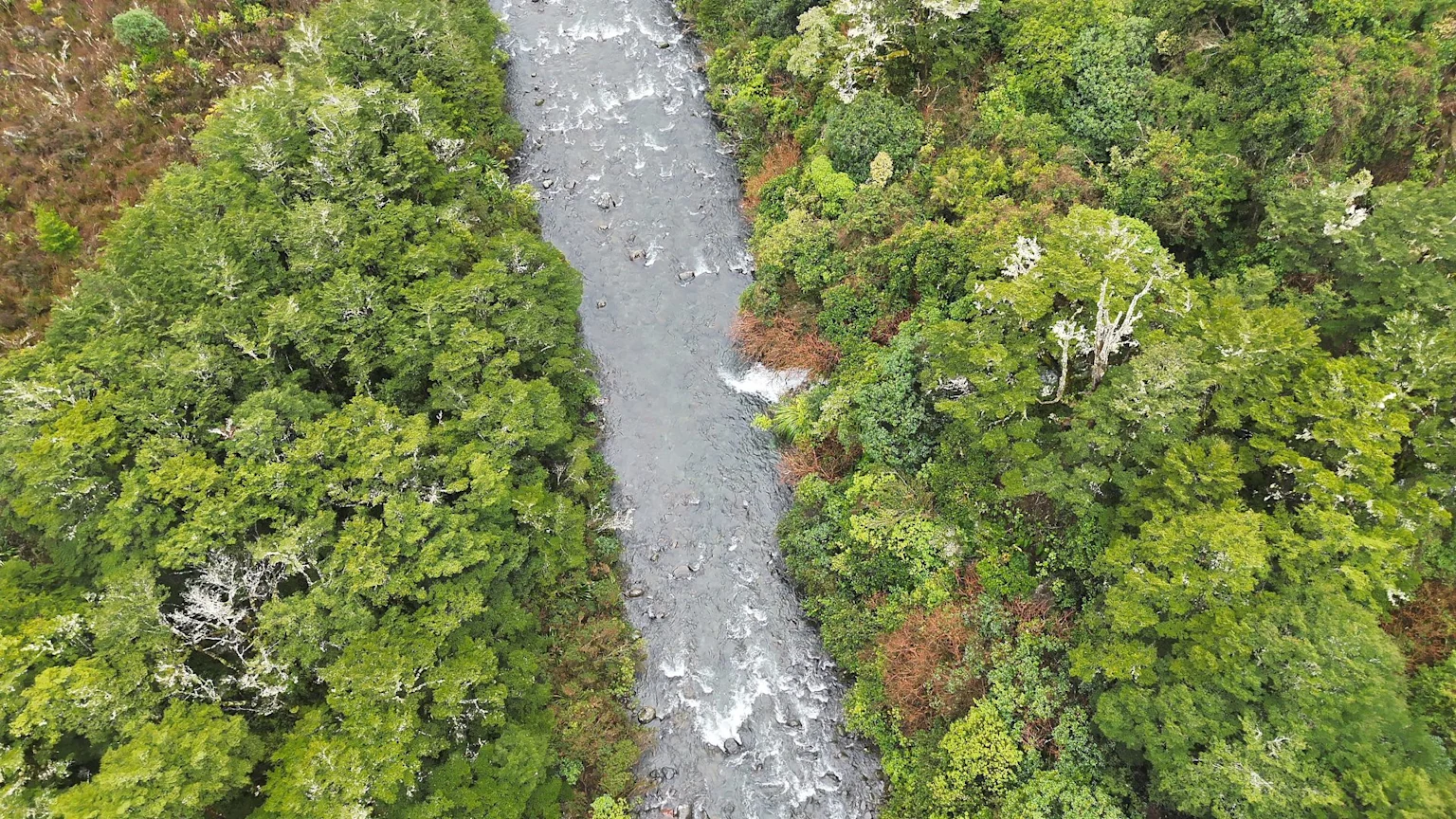
“We were having a bit of trouble getting staff into some areas, and some of these rivers that we work on are above the grade that we can actually send them into. One of the rivers we have surveyed is above the Whakapapa intake on the Whakapapa-iti River. They surveyed 8 km of river in 2.5 hours, and we found 10 new pairs of whio and 6 singles in that 8 km of river. Now that we know there's these whio in there, we may well be able to extend our trap lines to protect them.”
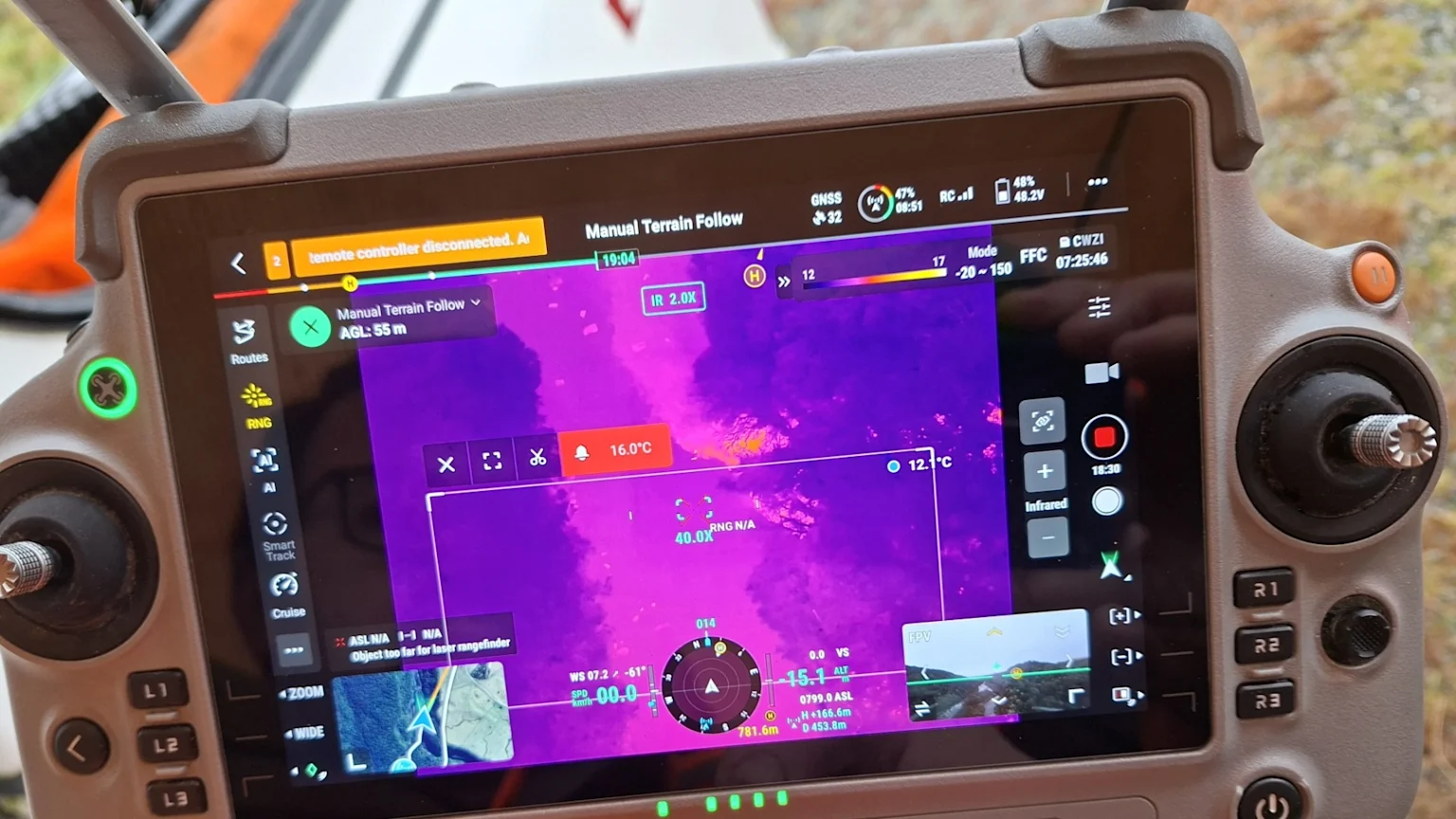
As van der Lubbe says, the drones not only allow rangers to spot the ducks from the safety of dry land, it is far less disruptive to the birds, which are known to be always on the lookout for intruders, no matter how well-intentioned they may be.
“We go to a nice place to access the river from. They fly the drone up from there, and they start with their thermal screen that picks up the heat signatures of animals. Once they've identified that, yep, looks like a whio, they switch to aerial photography, then they zoom right in and they go, 'Yes, that's definitely a whio. Oh, there's two of them there, so that's a pair.'
"Then they take photos and videos of that point and geolocate them on a map, and then continue on down the river. With this method, the whio just behave like normal. They don't know the drone's even there, so they exhibit natural behavior. They just carry on feeding, we don't disturb them at all.”
Having gone through the trial run, van der Lubbe says DOC is planning to further expand the use of the duck-seeking drones.
“Now we've proven the concept of this, we are now able to survey another 128 km of whio habitat within the Tongariro District.
"It's really a game changer in how we monitor whio in this area, and other districts have started picking it up. The Whanganui District are soon going to be surveying their river systems."
Images provided by DOC
Published by Ben Goldson
11 Aug 2026