Opinion
Diesel at $4: This government is walking a tightrope and families will pay

Published by Duncan Garner
15 Apr 2026
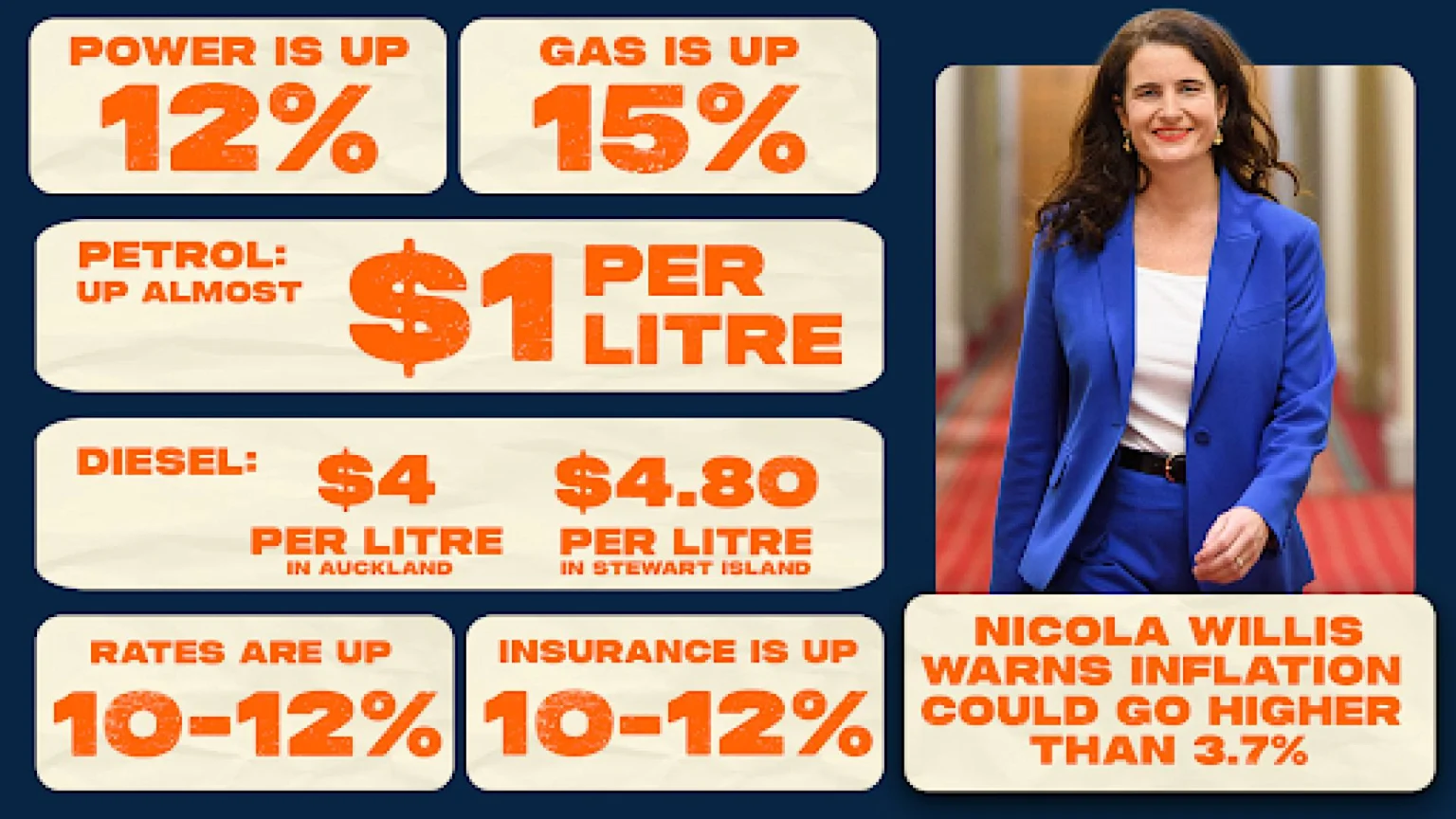
Diesel hit $4.11 at Dairy Flat last week. The bloke at the pump told me it had been $4.20 the night before. Up the road, it was $3.89. Take your pick. They’re both brutal.
This country runs on diesel. Without it, we come to a halt. And right now, we’re watching a slow-motion crisis unfold, one that will define this government at the polls in months.
The squeeze is only just starting
Here’s what people don’t yet understand: diesel prices have risen 168% through this crisis. So far, the carriers, freight forwarders, and truckies have absorbed those costs. They’ve worn it. But they’re warning they can’t last much longer.
That means those costs are about to land on us. At the supermarket. At the market. Everywhere goods need to get from A to B. And that’s coming this winter.
Even if the war ended today, and who believes that, we’ve got three months of this baked in. Three months minimum. The freight costs are locked. The fuel spike is locked. The price rises are locked. They’re coming whether we like it or not.
This is the chain reaction: first wave hits at the pump and the power bill. That’s now. Weekly costs creep up fast. Second wave is when businesses pass on what they’ve absorbed. Freight goes up, groceries go up, takeaways go up. Everything gets pricier. The third wave is the big one. That’s when rates and insurance climb, landlords adjust, and rents rise. Once they go up, they don’t come back down. They hit a new hold point.
We are not at wave three yet. But it’s coming.
The government is caught, and they know it
National is stuck between a rock and a hard place. Every time they throw money into the market to help us, it’s inflationary. They know this. They spent two years bagging Labour for stimulating the economy too much. They’ve seen the price of printing money. We all have.
But do too little, and they’ll be perceived as mean. Do too much, and inflation roars back, interest rates follow, and we pay the price for years. The consequences of high inflation are interest rates, high prices, and pain that spreads everywhere.
As it stands, inflation is set to rise to about 4% anyway, outside the Reserve Bank’s target band. At some stage, the Reserve Bank may have to push up interest rates. But the new governor has shown immense poise and caution. She wants to walk through this, not react. She hasn’t been scared into knee-jerk decisions like the last guy. Imagine what he would’ve done with this.
She’s bought the government time. And that’s exactly what they wanted. They don’t want interest rates to go up. The last thing National needs is surging interest rates and homeowners going to the polls facing increased mortgage costs on top of rates and insurance.
How the government and the Reserve Bank handle this will be crucial to the outcome of the election. The longer this drags on, the more heightened it becomes.
The advice is useless for most Kiwis
The response has been targeted. Temporary support for those under the most pressure. A possible pause on the 12-cent fuel tax. And advice to drive efficiently.
Drive efficiently. That’s hopeless.
For thousands of New Zealanders, especially in rural areas, driving isn’t optional. There’s no public transport. There’s no workaround. When fuel spikes, you either pay or you fall behind.
This isn’t one price rise. It’s waves of pressure hitting again and again, locking more of your income into essentials before you’ve had any say in it. That means weaker disposable income. That means less room to move.
The real question isn’t just whether inflation goes higher. It will. The real question is how much more people can absorb into their household spending before something gives.
National faces its sternest test
This government now faces its sternest test as winter rolls around. In their favour is an opposition that continues to say, throw money at the problem. We saw what happened then. We’ve got a $60 billion debt and a $9 billion interest bill every year.
Some say National and Labour are the same. I say on these sorts of things, they’re actually quite different. Labour would throw much more at this problem. National has been way more cautious, knowing inflation is a killer. They’re hoping this thing comes to an end. But it’s not. They thought it might be over by now. But it’s not.
And once again, it threatens Kiwi families big time. And they may well blame National for their plight at the election.
National says it’s doing all it can to limit the pain. But high inflation can stick around. It’s so much harder to bring down. It takes time and tough measures like high mortgage rates. If they throw money at this problem and print money like Labour did, higher interest rates are the net effect. And then they hang around.
If mortgage interest rates go up in the few weeks before the election, I think National pays the ultimate price.
This is the balancing act. Get it wrong, and we could pay the price for years. Haven’t we just been dealing with all of this?
The question now is whether the government has the nerve to hold the line, or whether the pressure from families will force their hand. Either way, someone pays.
Published by Duncan Garner
15 Apr 2026