Life
Cultural Duty Or Financial Chokehold?
Published by Vijay Varma
11 Jun 2026
What started with an anonymous confession on an internet forum, sparked into a raw, nationwide debate on The Breakfast Show with Vijay and Pooja, this morning.
What happens when cultural duty becomes a financial chokehold?
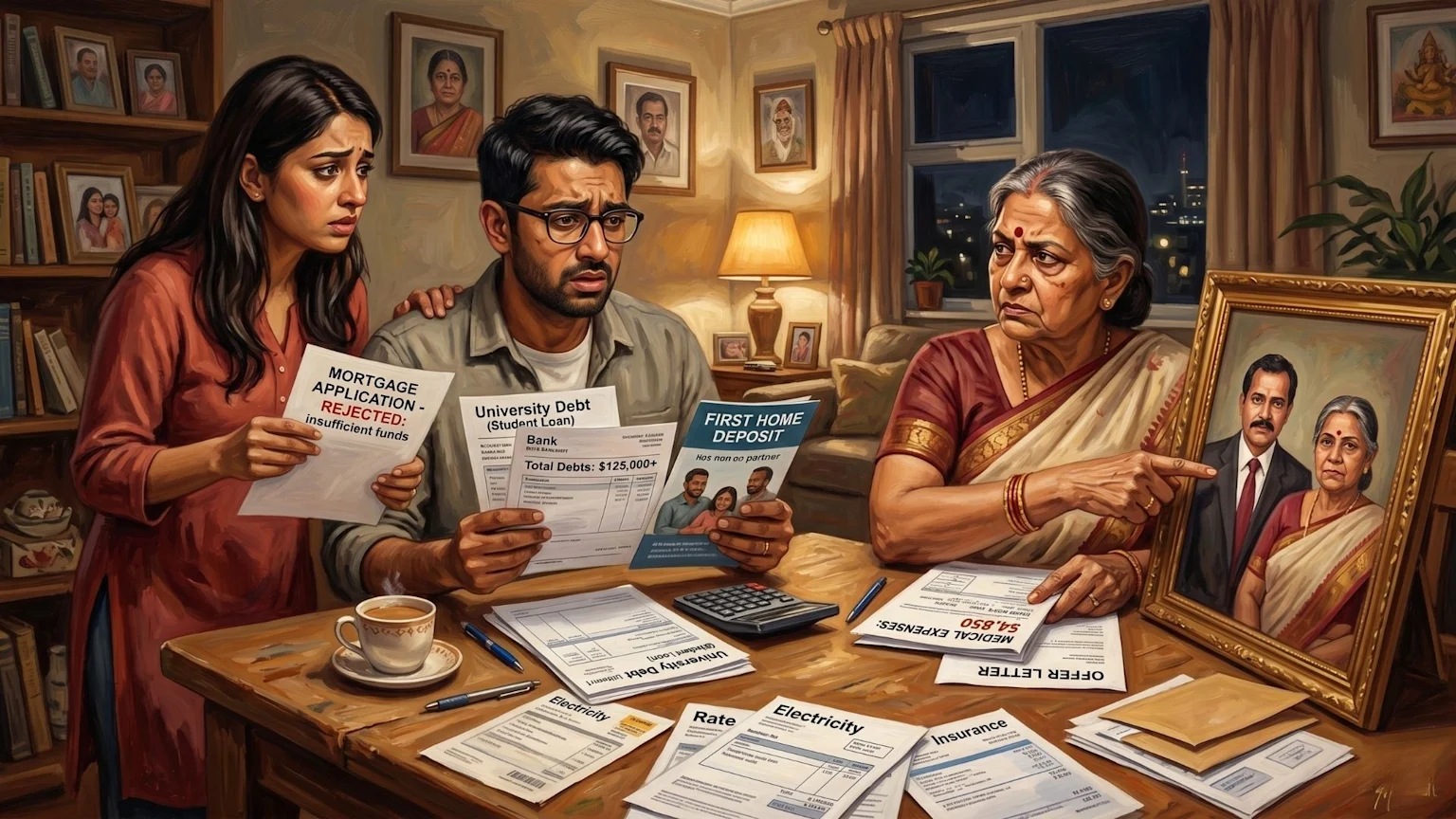
On today’s broadcast of The Breakfast Show with Vijay and Pooja, host Vijay read a viral Reddit post that has struck a deeply sensitive nerve across New Zealand’s immigrant and multicultural communities. The anonymous post detailed a high-earning son’s breaking point: despite putting himself through university via night classes and bank loans, he now forks over 15% of his take-home salary to his widowed mother, fully funds her lifestyle subscriptions, and pays for a premium medical insurance policy.
The boiling point? The mother is now aggressively pressuring the son and his girlfriend to have a baby—while flatly refusing to look for part-time work, rent out a spare room, or compromise on her monthly allowance to make room for a grandchild. When the son set a firm financial boundary, the mother escalated the conflict, deploying religious curses and weaponizing insults against his partner.
The segment ignited the station's phone lines and text platforms, exposing a profound, hidden generational divide between traditional filial piety and modern economic survival.
The Burden of 'Future Security'
For many listeners, the story unzipped a quiet, painful reality about how children are viewed in certain cultural households.
One live caller expressed a deep sense of discomfort with the mother's behavior, arguing that treating children as a guaranteed "future security plan" is inherently flawed. While acknowledging that parents sacrifice immensely, the listener noted that children have no choice in being brought into the world, and imposing an ultimatum of lifelong financial support creates a toxic dynamic.
The discussion highlighted a sharp geographical and cultural contrast. In local Western structures, independent retirement planning is the norm. However, within many Asian and Middle Eastern diaspora communities, an unspoken social contract dictates that the younger generation serves as the elder generation's retirement fund.
Another listener echoed this sentiment by recalling a philosophy passed down by their own father: "If my hand rises, it should be to give, not to beg." This listener emphasized that while traditional cultures emphasize taking care of the elders—a beautiful sentiment in theory—true familial health requires parents to strive for independence so as to not burden their children's financial futures.
The Silent Crisis: 'We are Struggling Too'
While some called in to debate the philosophy of parental care, the station's text lines initially painted a bleaker, more immediate picture of financial desperation.
Several texters admitted they couldn't call in for fear of breaking down on the air. One emotionally charged message revealed a harrowing parallel to the Reddit post, describing how both the texter and their spouse are viewed by their respective mothers as literal "ATM machines." Despite transferring thousands of dollars every single month, the mothers constantly complain it isn't enough—completely blind to the fact that the adult children are drowning under the weight of their own rising mortgage expenses and daily inflation.
The consensus among these messages was a sense of profound isolation; adult children trapped between the crushing weight of modern New Zealand living costs and the responsibility of taking care of aging parents.
As one text message summarized, times have fundamentally changed. In an era where the cost of living is skyrocketing, holding onto outdated entitlement under the guise of "tradition" only serves to feed parental egos while destroying the mental peace of the next generation.
A Privilege to Give Back: The Counter-Perspective
However, the text boards also captured a fierce defense of traditional values, revealing that for many, supporting their parents is not a financial transaction, but a profound moral honor.
A text message passionately challenged the critical narrative, urging listeners to reframe how they view parental dependency. For this listener, looking after aging parents is both a responsibility and a privilege. They reminded the audience of the immense, selfless sacrifices parents make—often completely sidelining their own dreams, wants, and needs just to ensure their children have food, an education, and a better future.
Furthermore, this perspective shifted the blame away from parents and back onto modern lifestyle expectations. The listener argued that the financial pressures adult children complain about today—such as mortgages, bills, and lifestyle commitments—are ultimately choices made in their own adult lives. These personal choices, they insisted, should never mean that parents are left to struggle on their own.
"If my parents spent years caring for me, the least I can do is help them where I can, whether that’s paying for their insurance, Netflix, or simply being there when they need support," the text read. While acknowledging that not everyone may view it as an obligation, the message concluded with a powerful reminder: it is a privilege to give back to those who gave us everything.
A Broken System
What The Breakfast Show exposed today isn't just a series of isolated family squabbles; it is a systemic cultural crisis with deeply valid arguments on both sides.
In New Zealand, state safety nets and pensions exist to provide basic amenities for seniors—a luxury not available in many immigrants' home countries. Because senior citizens have spent their lives contributing through hard work and taxes, they have earned the right to societal support. Yet, the emotional tug-of-war between psychological codependency, structural guilt, and genuine familial gratitude remains heavily entrenched.
As the segment wrapped up, the lingering sentiment left on the airwaves was clear: balancing deep love and respect for parents with the brutal economic reality of 2026 is becoming an impossible tightrope walk. Whether viewed as an unfair financial chokehold or a sacred privilege to give back, until families begin having honest, boundary-driven conversations about money, they will continue to pay the price—both literally and emotionally.
Published by Vijay Varma
11 Jun 2026