New Zealand
Covid-19 Inquiry finds government’s response slow, but balanced

Published by Rebekah Hunt
10 Mar 2026
The Royal Commission into COVID-19 Lessons Learned has released phase two of its inquiry, finding room for improvement. It suggests that although decisions made were considered and appropriate, response lagged in parts.
The thousand-plus page report dissects the period between February 2021 to October 2022. New Zealand focused first on an elimination strategy, implementing lockdowns and closing the border. Then, between May and November of 2021, the ‘vaccine mandates’ were introduced and nearly 40-percent of the workforce (roughly one-million) had to get vaccinated or risk unemployment.
The report highlights it as a time of uncertainty.
“A significant change in circumstances occurred in October 2021 when decision-makers realised that elimination was no longer achievable, even as vaccination rates were increasing – and they did not account for this clearly in the strategy and subsequent alert level decisions.”
It adds that New Zealand’s response strategy and settings weren’t always sufficiently responsive to changing circumstances.
“For example, they weren’t adapted early enough to deal with later variants of the virus. At a time when speed was often critical, some decisions had to be made without enough information and data, or without sufficient consideration of all the impacts that might arise, or without important checks and monitoring.”
In a statement, current Health Minister Simeon Brown said Auckland residents bore the brunt of it, kept in lockdown and separated for longer than necessary.
“In fact, Chris Hipkins had the opportunity to lift restrictions earlier based on the health advice. He not only chose to ignore that health advice, but to extend restrictions particularly in Auckland longer than what was needed, and that had significant consequences,” he added.
Labour leader and former Covid-19 Response Minister Chris Hipkins, spoke to rova about the claim.
“I do think it went on too long and I said that several years ago, that I thought that lockdown could have ended earlier,” he said.
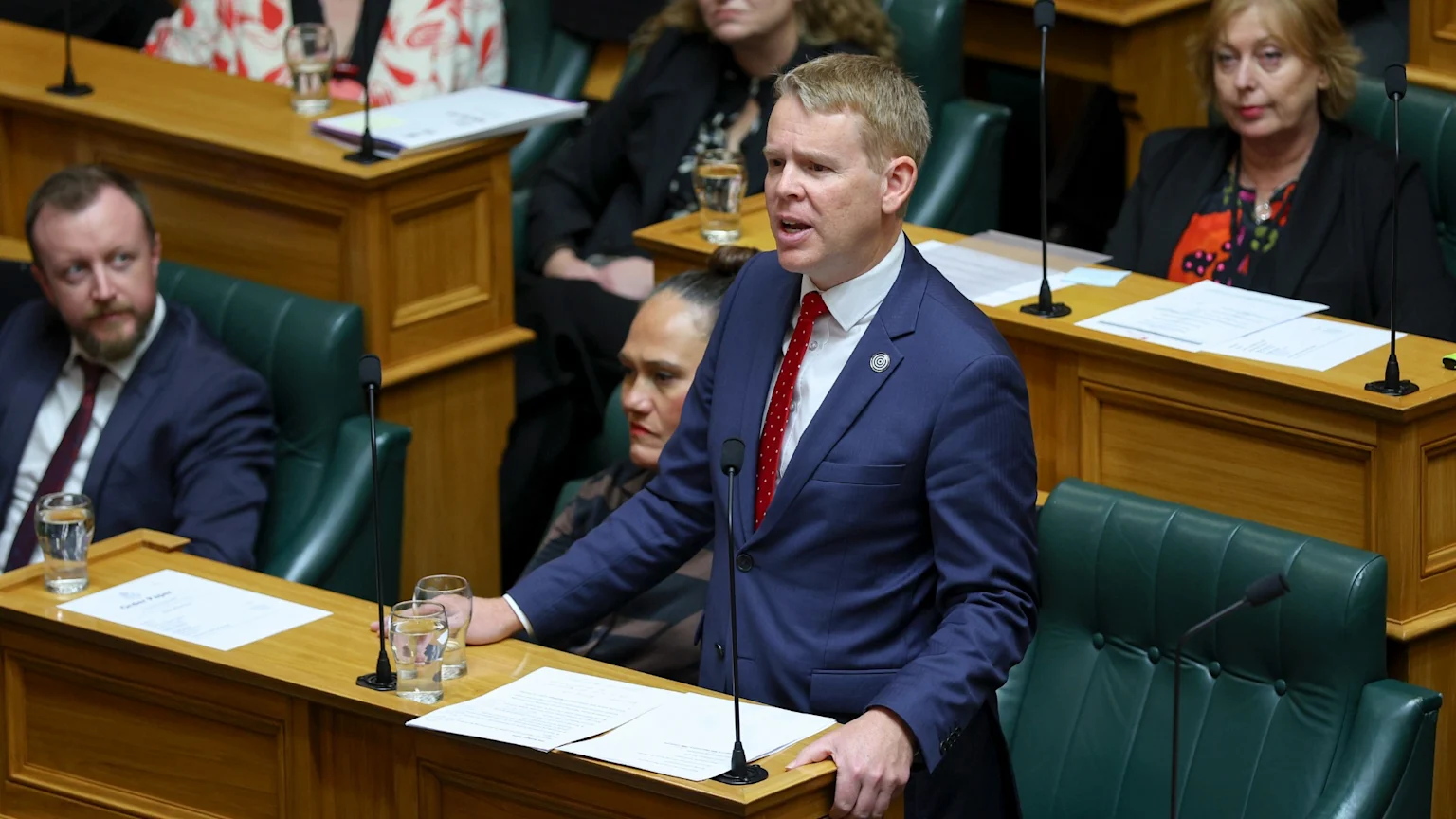
The two also butted heads over the vaccine mandate in Parliament.
Brown claimed former Ministers were warned against applying a two-dose vaccine mandate to 12-17 year olds due to myocarditis risks (inflammation of the heart muscle), but plowed ahead anyway.
Mid 2021, Medsafe found myocarditis rates were higher in young males than expected. An alert was published on its website, warning of the established but rare side-effect. On the same day, the COVID-19 Vaccine Technical Advisory Group gave comprehensive advice to the Director-General of Health about the myocarditis and pericarditis risk.
The report suggests it was then passed on to the Prime Minister and other relevant officials.
However, Hipkins pointed out that in paragraph 495, some advice - ‘risks associated with the transmission of COVID-19 throughout Aotearoa New Zealand among those aged under 18 are insufficient to justify mandating a 2 dose schedule of the Pfizer vaccine’ - was never shared.
It has been deemed a significant failure, as mandates continued to reflect outdated advice. However, the report found fallout was mitigated as safety information was widely published elsewhere.
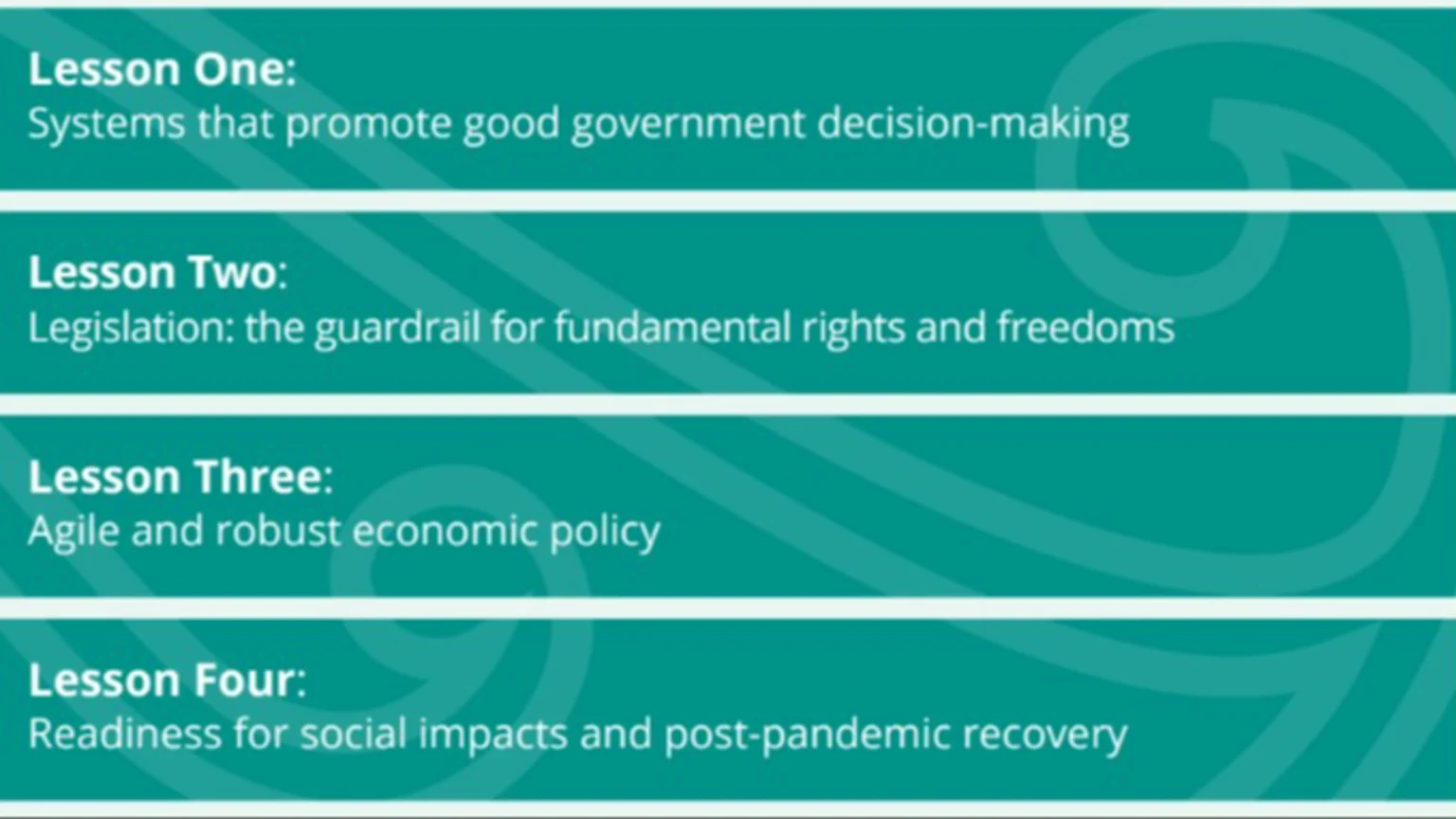
The report goes on to suggest New Zealand must learn four key lessons, and look at 24 recommendations.
It says social and economic impacts were considered, but unevenly, or at a high level only.
“Many of the people we heard from expressed pain and anger about the impacts of the pandemic and response. Some of these impacts on people’s lives continue to this day. There are lessons to be learned from their personal experiences.”
Some recommendations are:
Future decision-makers should ensure that epidemiological modelling can be undertaken quickly in an emerging pandemic.
Strong relationships should be fostered and maintained between the government, business and community organisations, to help support flexible and effective responses.
Before the next pandemic, primary legislation should be in place that sets out the most significant legal powers government can use in a pandemic response. E.g cover issues such as lockdowns, border closures and quarantine arrangements.
Short-term or easily reversible economic policy measures should be used to address immediate effects and buy time to gather more information, especially about the type, size and duration of the shock to the economy.
Ministers are asked to set clear expectations that their agencies will use the experience to plan ahead.
Hipkins said while he doesn’t agree with every finding, the report has done a reasonably balanced job reviewing a difficult set of circumstances. He’d undoubtedly do it differently next time.
“It was the first time in about a hundred years that New Zealand has had to respond to a global pandemic. We were having to invent new systems and processes as we went along. Now we actually have more that we can draw on,” he explained.
The report found New Zealand had among one of the best pandemic responses in the world.
“It is clear that ministers and officials were facing a series of complex, high-stakes decisions in a rapidly changing environment and were doing the best they could at the time.”
However, Brown told rova while New Zealanders may agree the initial stages were well supported, the government still failed to respond and change its approach over time.
“We will be considering both the recommendations from Phase 1 and Phase 2, and reporting back in July in terms of how we will respond.”
Published by Rebekah Hunt
10 Mar 2026