New Zealand
Coroner highlights the importance of life jackets for rock-fishing

Published by Ben Goldson
19 May 2026
In May 2024, friends Sarath Sasidharan-Nair and Ferzil Babu went fishing on the rocks in a section of Northland’s Taiharuru coastline known as The Gap. When they failed to return home, their wives raised the alarm. Although Sasidharan-Nai’s body was found just days after, it wasn’t until late last year that Babu’s remains were identified.
About two years on from the day they went missing, Coroner Janet Anderson has now ruled the pair were part of a growing number of recreational fishers to die by drowning. As Glenn Scanlon of Water Safety New Zealand told rova, there’s been a definite uptick in recent times:
“We've seen an increase in deaths from people fishing from land in the last five years. Last year there were ten, which is three more than the previous year, and four more than the 10-year average. So, definitely the deaths in those spots are climbing.”
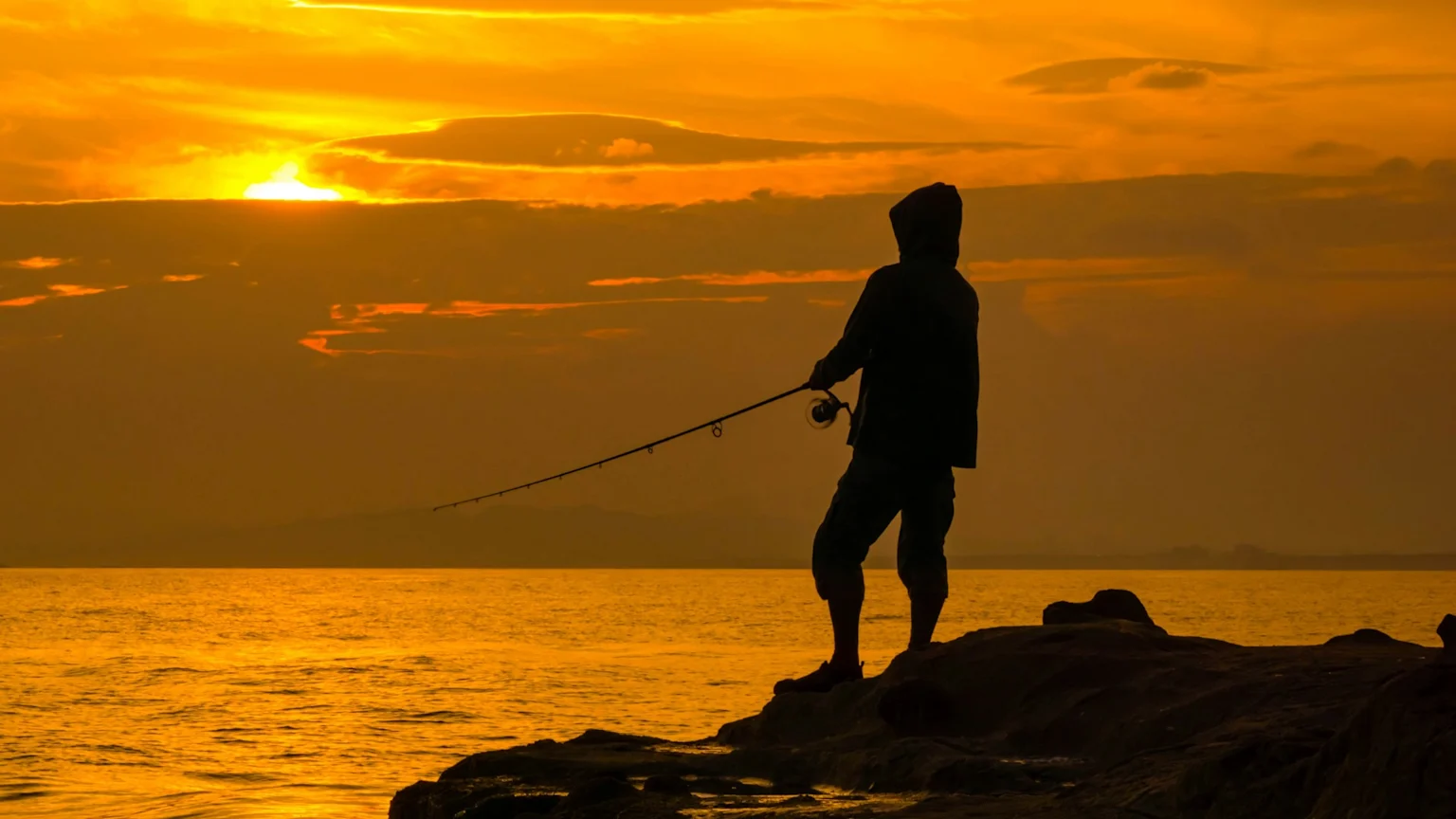
As Mike Plant of the Sport Fishing Council notes, the two were engaged in rock-fishing, which comes with particular dangers.
“Rock fishing remains one of the most high-risk recreational activities in New Zealand, because conditions can change really instantly. Exposed coastlines like Smugglers Cove are pretty unforgiving, especially when you see large swells, slippery surfaces, and rogue waves all combined, and when you're fishing alone, in poor weather, or unfamiliar spots, that all significantly increases the danger.
In her ruling, Coroner Anderson also noted that the two men weren’t wearing life jackets, a common theme in many fatal drownings.
Plant said even with all of our scientific and technological advancements, the humble life jacket remains the simplest and most effective way to keep safe on or near the water:
“A life jacket is one of the few pieces of safety equipment that can keep you alive if everything goes wrong. You can be the best swimmer, but if you knock your head or your arm on the rocks, you still need to be able to float.”
Of course, there’s no reason not to take other precautions if you already have your life jacket, with Plant breaking down some of the other gear you should think about investing in:
“Waterproof communication devices like Personal Locator Beacons and VHF radios, or even just cell phones in dry bags can make a difference between a rescue and a recovery. Good footwear is really important for grip, along with weather-appropriate clothing and fishing with a mate. These all improve your chances of getting home safely. But the best tool aside from a life jacket is preparation; checking the weather forecast and knowing the location.”
At a wider social level, Plant says that many recreational fishers are being driven to more dangerous locations due to the over-fishing of more popular spots by commercial operations:
“We're seeing a lot of Kiwis pursuing riskier locations to get that feed of kaimoana instead of fishing in safer spots that are now no longer holding fish. We're very keen to see better management of the fisheries, which is going to help stop people going to unknown, riskier black spots to try and fish, and sadly ending in tragedies like we've seen from the coroner.”
This has become a matter of some controversy with the government’s Fisheries Amendment Bill currently before a select committee. Opponents, which range from the NZSFC’s LegaSea group to Greenpeace, argue that the changes will further deplete fish stocks. Already, the government has had to drop part of the legislation which would’ve removed minimum size limits for many popular species, with other sections also being poorly received in a LegaSea poll.
As an island nation, recreational fishing remains a relatively popular pastime across New Zealand. You might not be a recreational fisher, but you probably know someone who is, and coming into an election, the topic is likely to remain in the headlines.
If you search New Zealand Sport Fishing Council on rova, you’ll see a series of podcasts on fishing safety. The latest episode is a survivor story with 'Baz' who fell off the rocks at Pipinui Point, which is another black spot for rock fishing.
Published by Ben Goldson
19 May 2026