News
Community Involvement the Key to Saving Lives From Cardiac Arrest

Published by Rebekah Hunt
24 Feb 2026
Hate Hone St John's annual 'Out of Hospital Cardiac Arrest Report' is out, shining a light on what often happens before patients make it to a hospital bed.
It shows 2,466 people were treated for cardiac arrest by ambulance officers between July 1st, 2024 and June 30th, 2025, equating to almost seven a day. Twenty-three percent of patients survive the journey, but only eleven percent make it to thirty days after the event.
Deputy Chief Executive of Clinical Services, Jon Moores, says the issue is a critical priority.
"By improving each stage of the chain - from early recognition and CPR, through to rapid defibrillation and advanced clinical care - we can give more New Zealanders the greatest possible chance of surviving cardiac arrest,” he says.
The report does highlight high CPR rates. Eighty-one percent of cardiac arrest patients receive help from a bystander.
However, while accepting of the positive result, Moores is concerned that there's limited access to publicly available defibrillators (AEDs). Early use of the medical device more than doubles a person's chance of survival.
"Increasing the availability of AEDs and the wider development of CPR skills and awareness, remain critical to moving the dial," he says.
Increasing survival outcomes for women, Māori and Pacific peoples is also suggested as an area that needs more work.
The report reveals female patients are half as likely to survive, and around 60 percent less likely to receive community defibrillation.
Māori are 1.4 times more likely to suffer cardiac arrest and face the risk a decade earlier in life than non-Māori.
Clinical Evaluation, Research and Insights Manager, Dr Sarah Maessen, says it’s a strong call to action:
"This [data] reinforces the importance of equitable access to preventative health services, early screening, and community-led heart health initiatives. We also need to ask whether we are doing all we can to normalise CPR and defibrillation for women and busting some myths about when and how to do CPR."
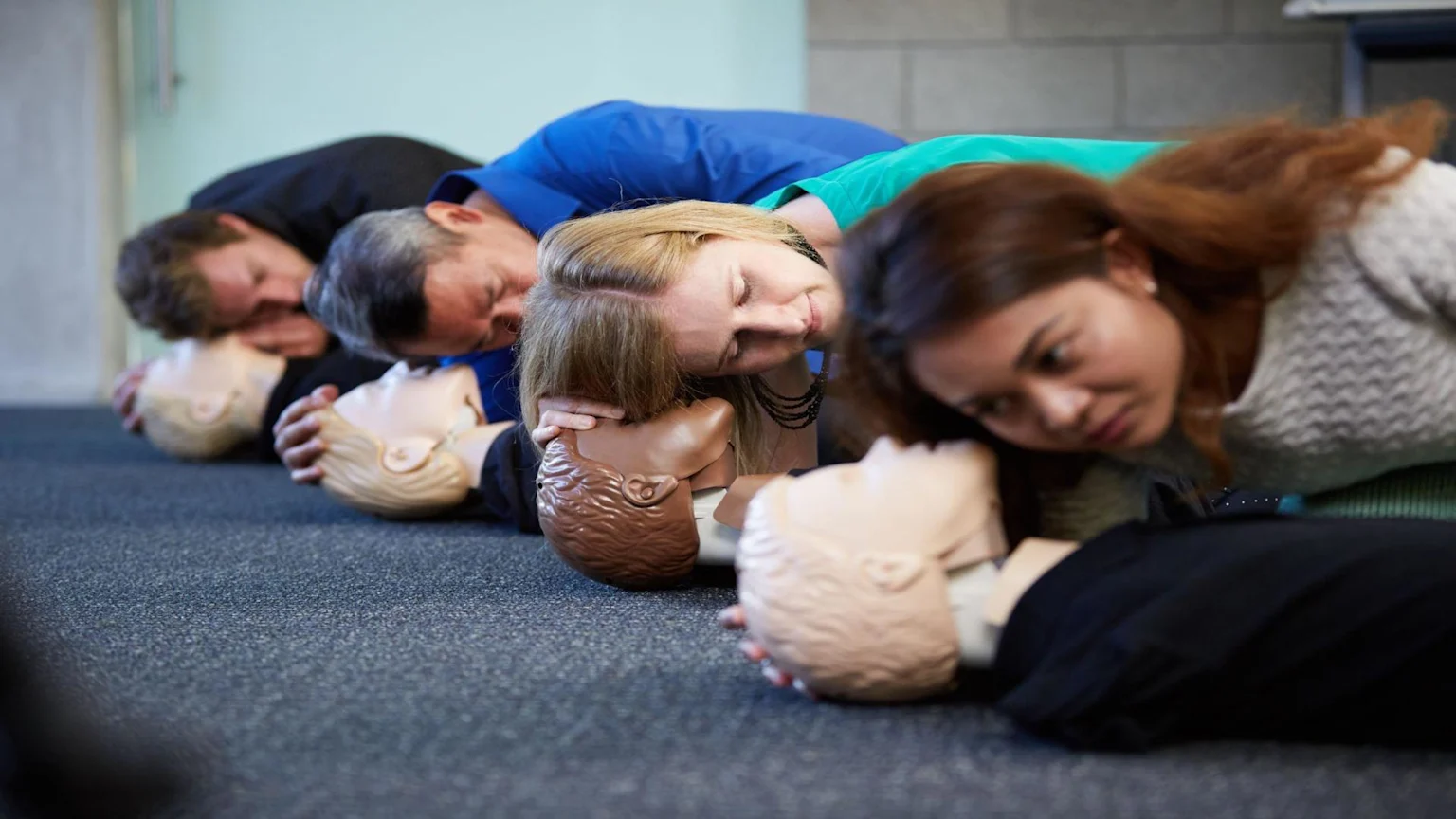
Wellington Free Ambulance has offered its commitment to training. Last year, nearly 10,000 people across Greater Wellington and Wairarapa learnt CPR free of charge, thanks to funding from cornerstone partner Julie Nevett and The Lloyd Morrison Foundation.
Meanwhile, Moores says Hato Hone St John is all in:
"Our community education programme ‘3 Steps for Life’ provides one hour of free CPR and AED training that could help save a life. These are skills every New Zealander should have, because the training you receive today could make all the difference tomorrow."
New Zealanders are encouraged to sign up online, or join the GoodSAM App, which can alert anyone trained in CPR if there’s a cardiac event nearby. Forty-two percent of Out-of-Hospital events were attended by at least one GoodSAM responder.
Published by Rebekah Hunt
24 Feb 2026