New Zealand
Here’s how Auckland plans to revive old-school playing in the street for kids

Published by Ben Goldson
29 Apr 2026
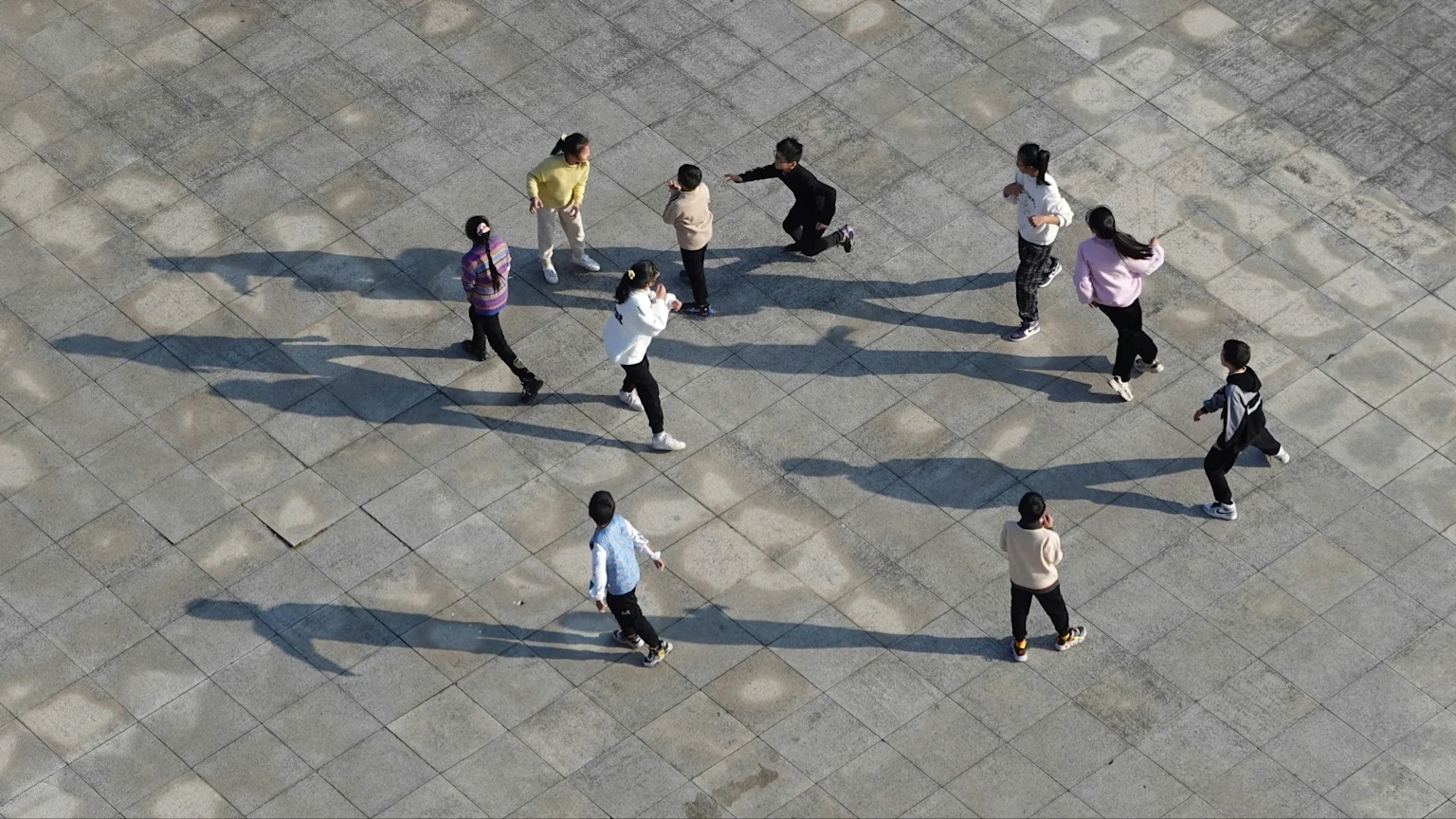
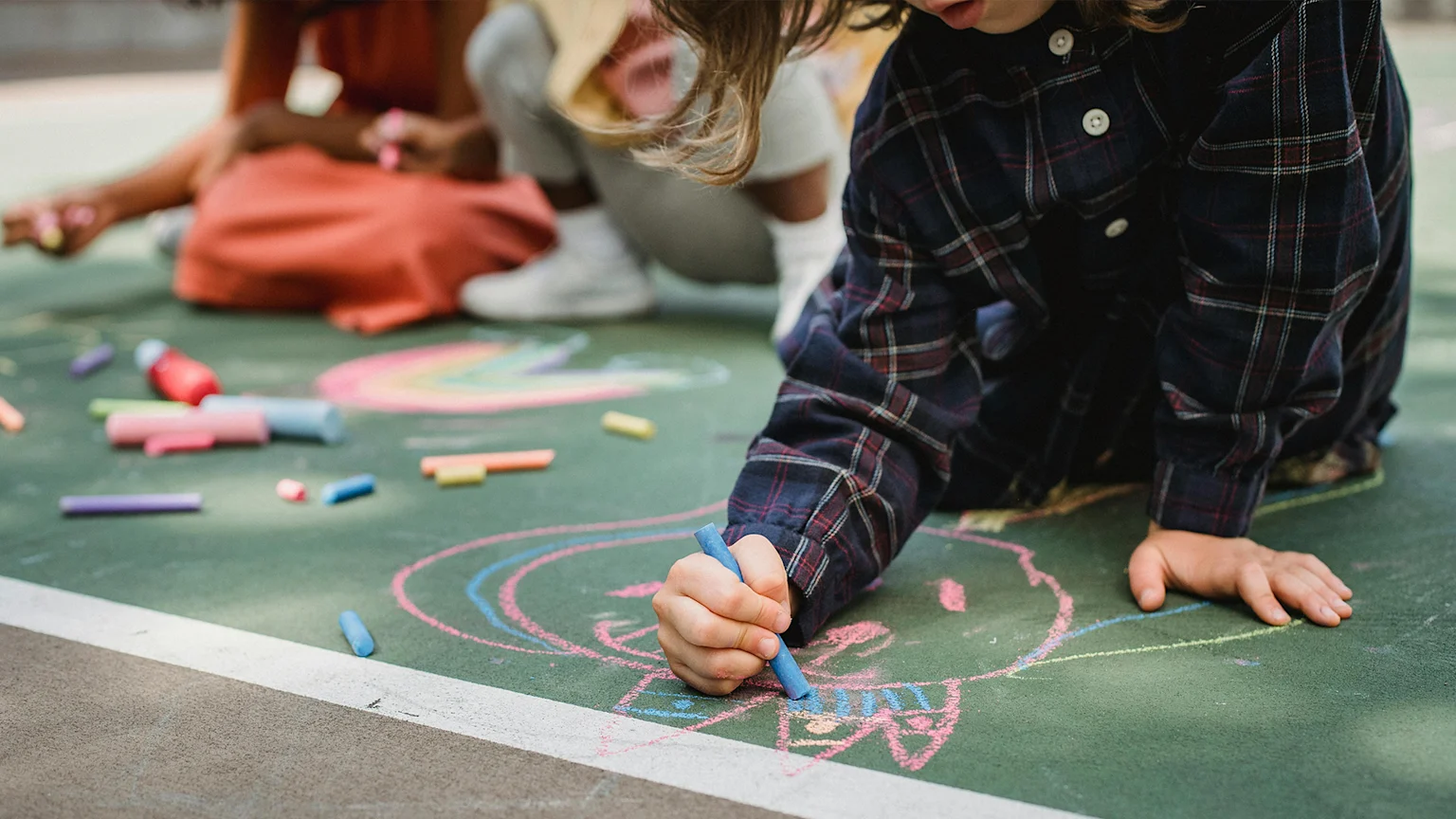
Auckland Council is set to expand its ‘play streets’ initiative, allowing neighbourhoods to temporarily make their roads safe for kids to have some free fun without having to worry about cars mowing them down.
The voluntary initiative sees traffic restricted to just local residents and essential vehicles for around two to three hours, with speed limits dropped to a slower pace under the supervision of organisers.
As a result, children born into this modern age can experience the joy of playing out in the streets, a state of being far more common in decades past, aside from perhaps a brief window during the Christmas period where half the city leaves for the holidays.
Having already been tested in a pilot programme back during the Covid-19 lockdown, Auckland Council’s Play Portfolio Lead Jacquelyn Collins says the initiative recorded some impressive results.
“It was really clear from the follow-up that our partners at Healthy Families Waitākere did that those neighbours were much better connected and, as a result, were much more resilient in the face of lockdown. They were looking out for each other more, they were checking in on each other, sharing food, leaving things on people's doorsteps..."
"There was just the degree of community cohesion that really hadn't existed before, and that was just after one or two events. If this was something that a street was doing every few weeks, you can just imagine how strong some of those neighbourly relationships could be, and the benefit that that could have for people.”
Central to the programme is the idea that play is vital to raising well-adjusted youth, with this particular policy also teaching them about the different ways that people live.
Play is fundamental to their development and wellbeing. Kids should have two jobs growing up, they should be going to school and playing, because they learn so much from play, and it's a huge boost to their wellbeing as well.
"It teaches them a lot about the world around them and helps them learn that not every family is the same as theirs, that sometimes you have to cooperate to get on with other people and that your play is not just going to be a curated experience with your parents organizing playdates.
"Sometimes you just have to get stuck in and find ways to have fun and enjoy yourself with the people who are around you.
"You're going to start encountering the kids who live down the road, you're going to start making friends with them. You may not even go to the same school as them, but you might be able to run into them.
"As a parent I can say very clearly that I am much more likely to let my kids go and play at the house down the street if I know the parents, if I've met them and chatted to them a couple of times.”
Along with the benefits for children, Collins says the programme is good for their parents as well, in that it fosters a sense of community and togetherness often lacking in the hustle and bustle of the 21st century.
“It creates that opportunity to speak to your neighbours. Anytime there's ever any kind of survey about modern life, people often talk about social isolation and loneliness.
A lot of people talk about how sad it is that we don't know our neighbours anymore, but we can actually do something about that. We don't have to just go, 'oh well, it used to be really great and now it's not.' It doesn't take much to get people out the door, but sometimes you do need that reason.
"Doing that at a really local level means you're going to get to know the people who live a couple of doors away who you may have never even spoken to. You may have both been living within a few meters for a few years, but you may have never had a reason for a conversation.
"But closing off your street to traffic for a couple of hours and having people turn out to have a cup of tea, and maybe watch the kids do something or teach the kids how to do something, it just creates that opportunity for connection.”
Published by Ben Goldson
29 Apr 2026