New Zealand
US scientists share breakthrough in attempt to bring back the Giant Moa

Published by Aleksandra Bogdanova
20 May 2026
An American biotech company could be a step closer to bringing back several extinct species, including New Zealand’s very own giant moa.
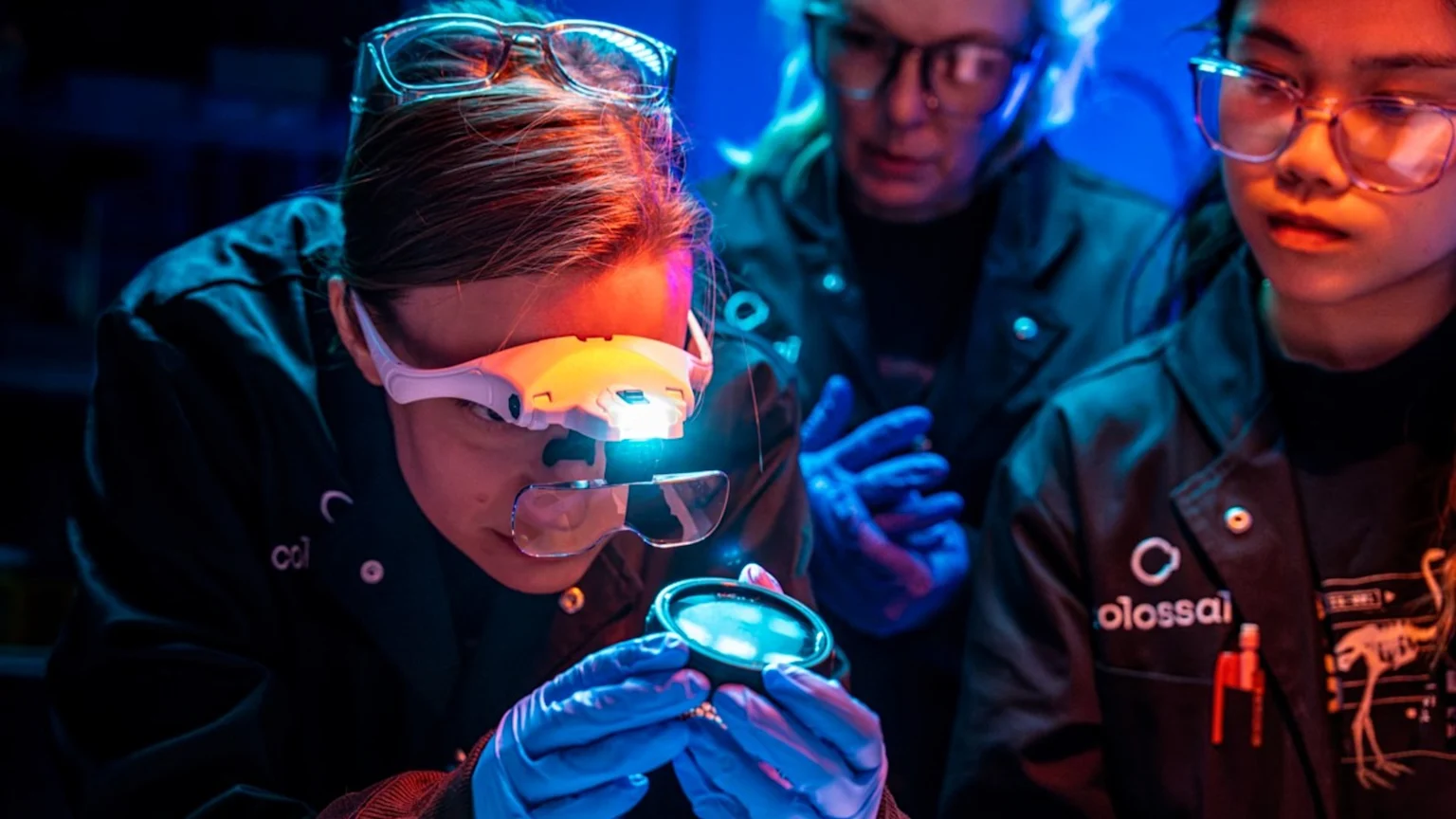
26 healthy chicks have emerged from a silicone-membrane synthetic artificial egg - a process Colossal Biosciences is hailing as a scientific breakthrough.
“[It’s] a foundational step toward its goal of resurrecting extinct bird species, including New Zealand’s South Island giant moa and Mauritius dodo,” it said.
The company described the process as a two component system, where there’s a silicone-based membrane inside a rigid hexagonal support cup. It’s meant to emulate the gas exchange function of a natural eggshell, letting air pass through while also maintaining moisture and blocking contaminants.
Otago University's Ancient Ecology lead Nic Rawlence acknowledged the impressive efforts, but is also worried they aren’t being put in the most effective space.
“We shouldn't be focusing on genetically engineering animals to be poor copies of extinct creatures,” he told rova.
“This technology should be developed for conservation purposes…for captive breeding programs for critically endangered birds, especially if they don't produce enough eggs.”
Colossal Biosciences’ Chief Biology Officer, Professor Andrew Pask, told rova the company “completely agrees” that conservation must remain the central priority.
“Our de-extinction work is fundamentally aimed at developing technologies that can directly support biodiversity conservation, including assisted reproduction, genome rescue, disease resistance, and tools to help prevent extinctions in living species.
“The artificial egg platform is one example of this. Beyond any individual de-extinction project, we believe this technology has significant potential applications for endangered bird conservation, including embryo rescue, captive breeding support, and the preservation of genetic diversity in threatened species.”
Rawlence argued re-introducing a species would do more harm than good, adding that true revival will never be like many imagine.
“There's not enough habitat left, nor the analogs of the habitat that moa lived in.”
“You also need to bring back a large number of genetically variable individuals. We don't want an inbred population like the Habsburg royal dynasty… and who's going to look after it?”
Instead, Rawlence is pushing for the technology to be given back to the public sector, such as conservation organisations or NGOs. He praised the work Colossal Biosciences does in Australia with universities, museums and Crown research Institutes like Plant & Food Research.
Should the project continue as is, one clear non-negotiable, he said, should be to work with local Iwi.
“They very much cherry-picked their support in New Zealand for the moa project, despite overwhelming public and indigenous opposition to the idea.”
“So it's going to require a lot of very ethical, good faith, open engagement so that mana whenua can make free, prior, and informed decisions about whether they support this.”
In response, Professor Pask said the company recognises that projects involving culturally significant species require meaningful engagement with indigenous communities, and “we do just that.”
“Māori perspectives are diverse, and we would never presume to speak on behalf of Māori communities. We believe these conversations are most meaningful when they involve direct engagement with iwi, hapū, researchers and community leaders.
“Importantly, solving the biodiversity crisis requires multiple approaches. Habitat restoration and predator control are essential, but it is also clear that advanced biotechnologies will be essential tools for conservation in the future."
Published by Aleksandra Bogdanova
20 May 2026