New Zealand
'A huge step forward': Stalking officially criminalised in New Zealand


Published by Azriel Taylor
26 May 2026
From today, May 26th 2026, stalking is a criminal offence, punishable by up to five years behind bars.
The government believes the move puts victims first and has been a long time coming.
“For years, we’ve heard accounts by Kiwi women that have been shocking.” Justice Minister Paul Goldsmith said. “Stalking causes serious emotional, psychological and economic harm, yet until now, stalkers have gotten away without facing serious legal consequences.”
“This is not right. Stalking and harassment is vicious, sinister and can be deadly.”
Advocates were celebrating the move, which came after years of campaigning for more protection.
Leonie Morris, the chair of the Coalition for the Safety of Women and Children, was relieved to see the law finally come into force.
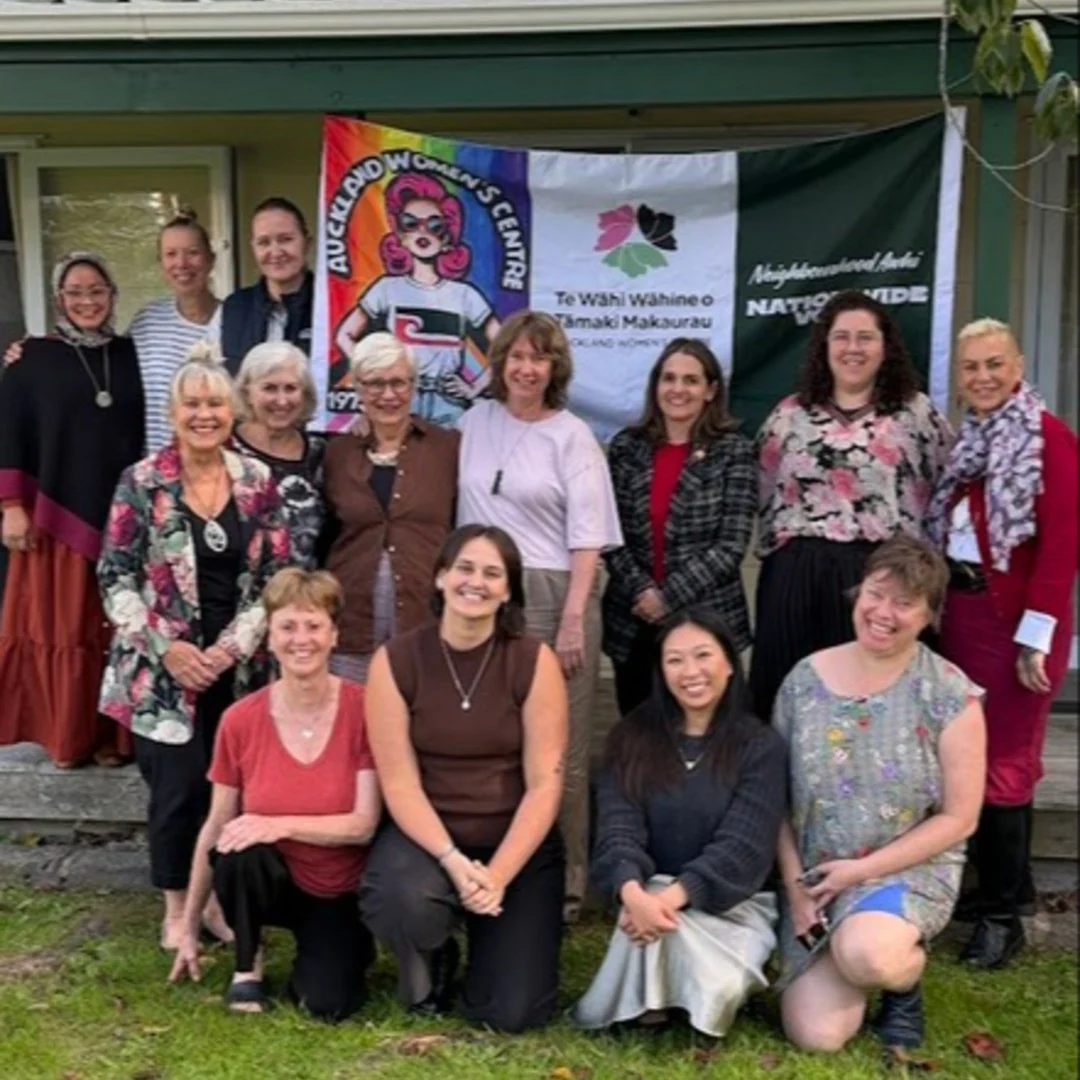
“We’re very pleased that after years of campaigning, stalking will be criminalised,” Morris said. "It’s a huge step forward, and it has the potential to make stalking victim-survivors and all our communities much safer."
How it works
Within the new law, ‘stalking’ is defined as ‘a pattern of behaviour which the offender knew was likely to cause the victim fear or distress’.
Within this framework, an offence has been committed if two acts are committed in a two-year period, which includes behaviour such as:
Watching, following, loitering near or obstructing a person.
Recording or tracking.
Contacting or communicating with the person.
Damaging, devaluing, moving, entering or interfering with taonga or property (including pets) that the person has an interest in.
Damaging or undermining a person's reputation, opportunities or relationships.
Publishing statements or other material relating to a person or pretending to be from that person - which is intended to cover definitions of ‘doxing’, or ‘collating and publishing private and identifying information about an individual, including posting information on their behalf’.
Acting in any way that would cause fear or distress to a reasonable person.
The push for more resourcing
Despite being happy with the reforms, Morris said she would wait to see how it was rolled out.
“The law will only be effective if it’s implemented and well-resourced by the state. Police and the entire justice system must take stalking victim-survivors seriously,” she said.
“This requires training, resources, expectations and monitoring. So this is a very important part of the whole picture, that the law is not only brought in, but is implemented well.”
Remembering Farzana
Unfortunately, progress tasted bittersweet for some advocates who had seen women suffer in the past without protection.
In December 2022, 21-year-old Farzana Yaqubi was violently murdered by her stalker in Auckland, almost eight weeks after first reporting the matter to the police.
A later report by the Independent Police Conduct Authority outlined multiple issues within the response.
“It’s a tragedy,” Morris said, “that’s why we’re saying now that it’s so important that the police take stalking seriously, understand that psychological and online stalking is also very harmful and can quickly accelerate.”
Where to from here?
While applauding the law change, the Coalition for the Safety of Women and Children is also pushing for officials to go one step further. They’re calling for a public awareness campaign to be launched, to address perceptions of power and control over women.
Published by Azriel Taylor
26 May 2026